
Furniture Upholstery: How Fabric, Form, and Craft Shape the Way a Room Lives
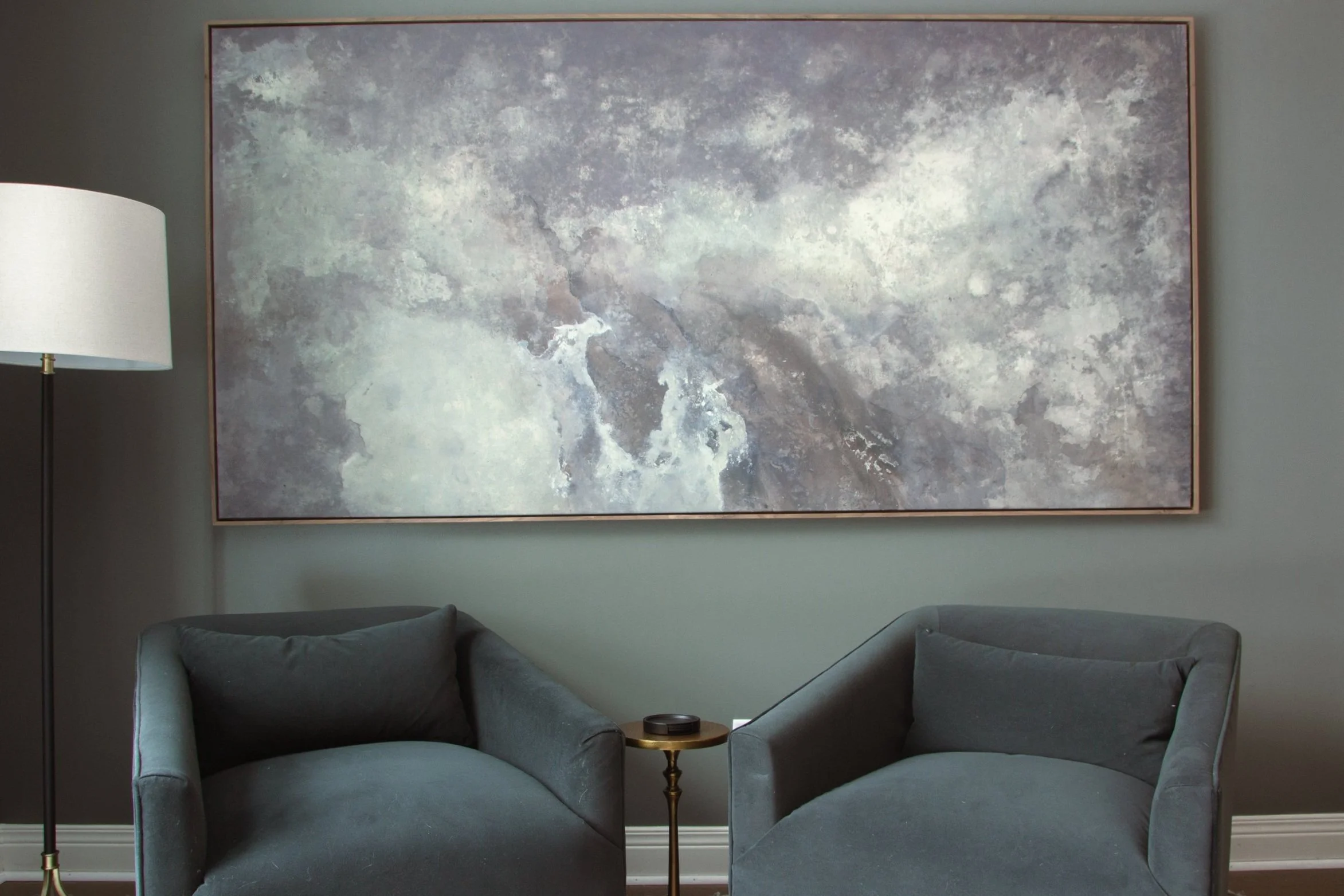
Oversized artwork and carefully selected furnishings create a balanced focal point that adds depth, texture, and personality to the room.
Upholstery Choices That Shape Comfort, Character, and Everyday Living
Furniture upholstery is often discussed in terms of color or pattern, but its influence runs far deeper. Upholstery determines how furniture wears over time, how comfortable it feels in daily use, and how a room holds together visually. The right upholstery decisions quietly support proportion, balance, and longevity, while poor choices tend to reveal themselves quickly through wear, discomfort, or a room that never quite feels settled.
At Studio Nine Interiors, upholstery is treated as a structural design element rather than a decorative afterthought. Fabric selection, cushion construction, frame quality, and scale are all evaluated together to ensure that upholstered pieces support the way a space is meant to function. This perspective is consistent across the studio’s portfolio, where furniture feels grounded, comfortable, and well considered rather than trend-driven.
Thoughtful upholstery also helps bridge the practical and emotional sides of interior design. A sofa may need to support family movie nights, a pair of chairs may need to anchor conversation, and a reupholstered heirloom may need to carry memory into a newly designed room. Each decision affects how the home feels, functions, and ages over time.
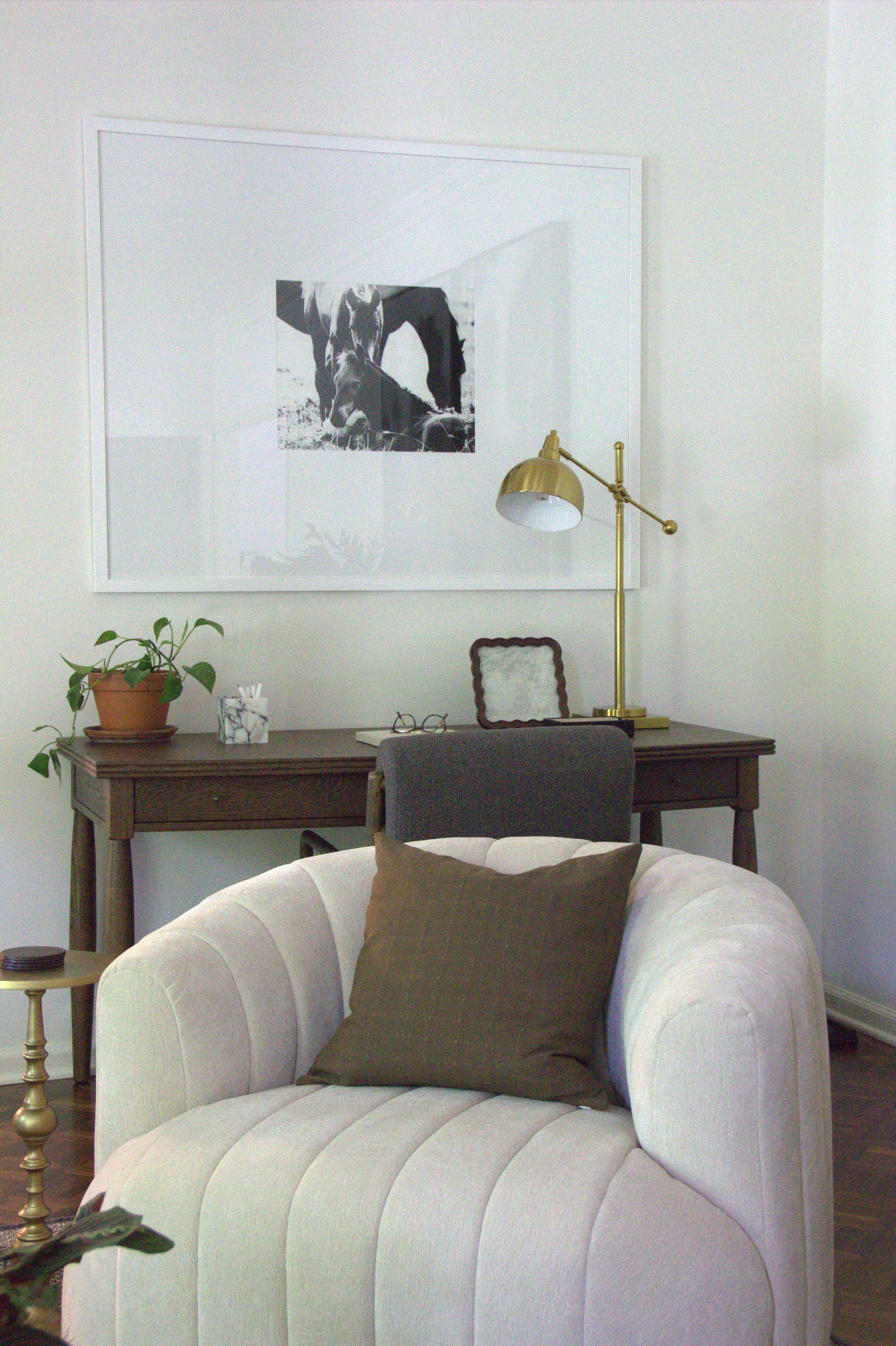
Why Upholstery Decisions Matter More Than They Appear
Upholstered furniture occupies a significant visual and physical footprint in most interiors. Sofas, chairs, banquettes, and upholstered headboards often define how a room is used and how long people stay in it.
When upholstery choices are rushed or disconnected from the broader design, rooms may look complete but feel uncomfortable or impractical.
Good upholstery supports real life. It accommodates how people sit, lounge, gather, and move through a space. It also absorbs sound, softens hard surfaces, and adds warmth without relying on excessive decor. When done well, it becomes part of the room’s structure rather than a layer applied on top.
Because upholstery interacts with so many other design elements, it should be considered early in the planning process. Fabric tone affects the color palette, texture influences how layered a space feels, and furniture scale changes circulation. Treating these decisions as connected helps the entire room feel more intentional.
Comfort Is a Design Decision
Comfort is not accidental. Seat depth, cushion firmness, back height, and fabric hand all influence how a piece feels in use. A sofa that looks refined but is uncomfortable quickly becomes unused, while a well-proportioned piece invites people to stay longer and use the space more naturally.
Interior design helps align comfort preferences with visual goals so that furniture performs as well as it presents. The best upholstered pieces feel natural in the room because they have been selected for both appearance and use.

Understanding Upholstery Beyond Fabric Choice
Fabric is only one part of upholstery, though it often receives the most attention. Beneath the surface are construction details that determine durability and comfort over time.
Frame materials, joinery, spring systems, and cushion cores all affect how a piece holds up under daily use.
Custom and trade upholstery allows these elements to be specified rather than assumed. This level of control ensures that furniture performs consistently and supports the lifestyle it is designed for.
These details are especially important for foundational pieces that will be used every day. A primary sofa, a family room sectional, a breakfast banquette, or a frequently used reading chair needs more than an attractive fabric. It needs the right structure beneath it.
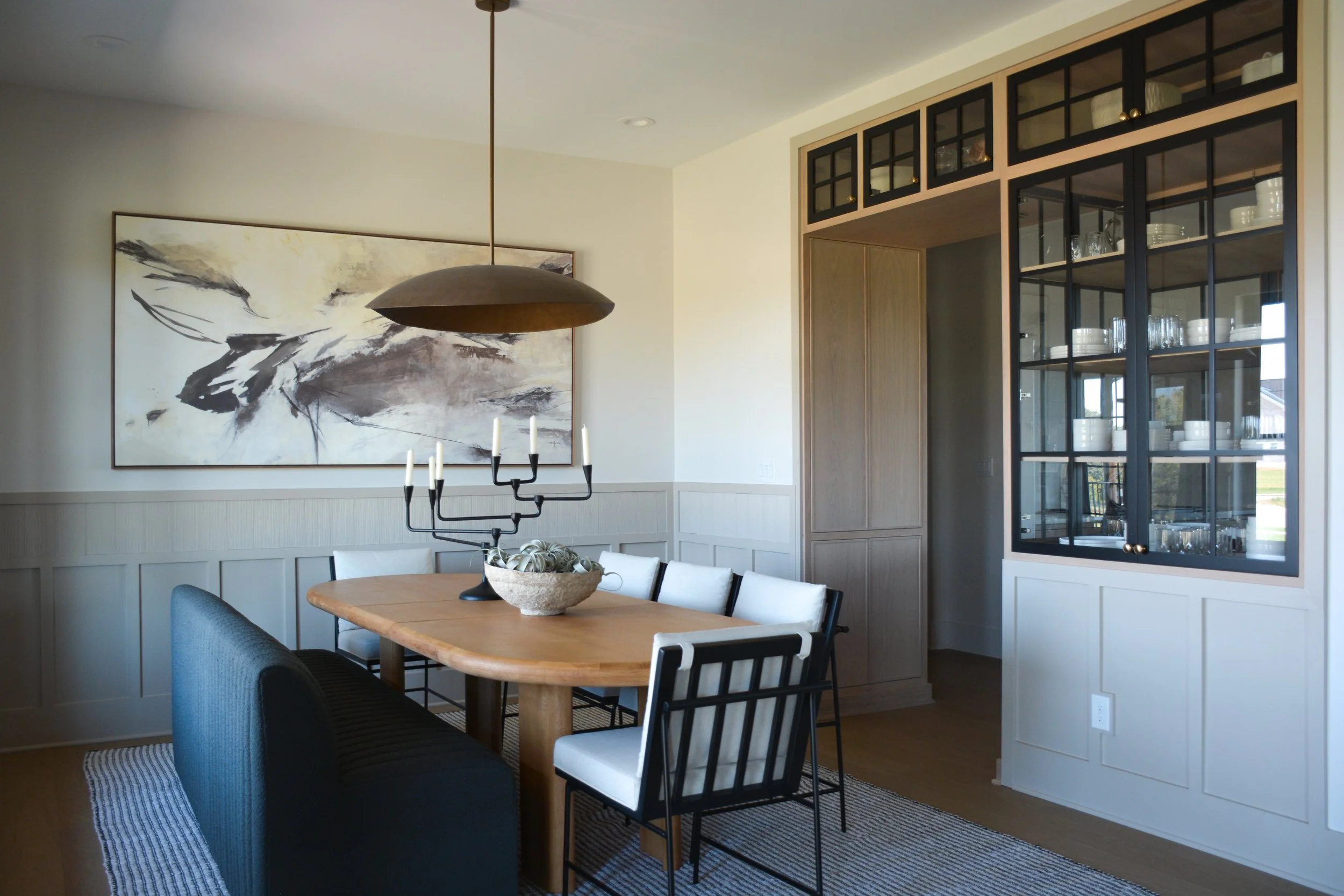
Custom built-ins, oversized artwork, and layered materials create a dining room that feels functional, refined, and designed for everyday gathering.
Frame Quality and Longevity
A solid frame is the foundation of any upholstered piece. Kiln-dried hardwood frames, reinforced corners, and quality joinery help prevent sagging and structural failure. While these details are rarely visible, they determine whether a piece lasts for decades or shows wear within a few years.
When frame quality is overlooked, no fabric, no matter how durable, can compensate for structural weakness. Investing in quality construction often provides more long-term value than replacing lower-quality pieces repeatedly.

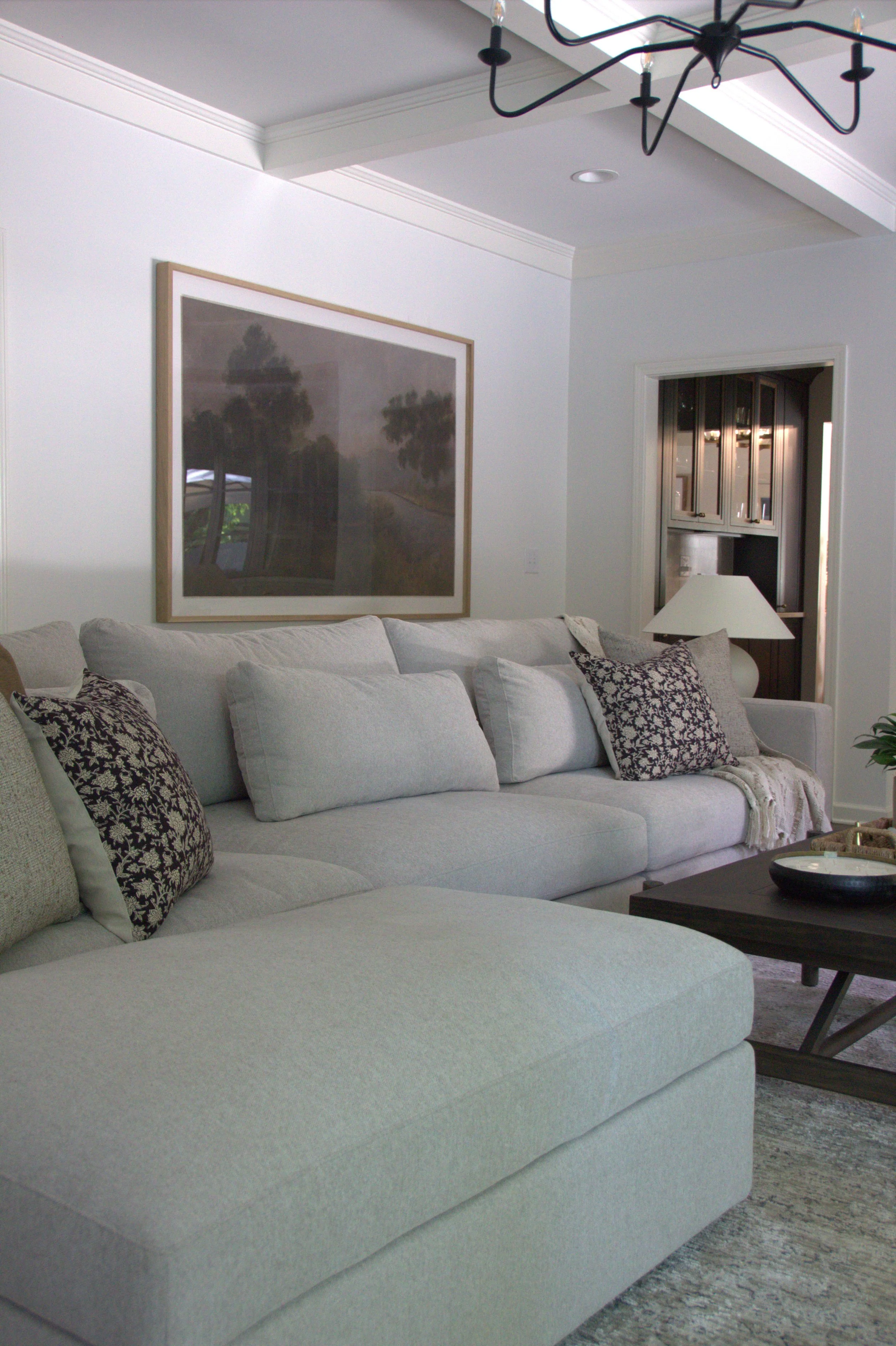
Layered textiles, comfortable seating, and intentional styling details help create a living space that feels inviting, functional, and timeless.
Cushion Construction and Seat Feel
Cushions define how a piece feels day to day. Foam density, down blends, and layered constructions all create different experiences. Firmer cushions tend to maintain shape longer, while softer fills offer a relaxed feel that requires more maintenance. The right choice depends on how the furniture will be used and maintained.
Designing upholstery with realistic expectations ensures satisfaction long after installation. A family room sofa may need a different cushion construction than a formal sitting room chair, even if both pieces are part of the same overall design plan.
Fabric Selection: Performance, Texture, and Tone
Fabric choice influences both appearance and durability. In high-use areas, performance fabrics offer resistance to staining and wear without sacrificing softness or depth.
In lower-traffic spaces, more delicate materials can be used to add richness and variation.
Selecting fabric within the context of the room, rather than in isolation, helps maintain balance. Upholstery should relate to wall finishes, flooring, rugs, and window treatments, reinforcing cohesion rather than competing for attention.
This is where a broader design perspective becomes especially valuable. A fabric that looks beautiful on a small sample may feel too busy, too cool, too flat, or too delicate once placed in the room. Evaluating upholstery alongside other materials helps prevent those disconnects.
Texture as a Primary Design Tool
Texture often has more impact than color in upholstery. Boucle, wool blends, linens, velvets, and tightly woven performance textiles add depth while remaining neutral enough to support longevity.
Texture allows a room to feel layered without relying on patterns that may feel dated over time.
This approach aligns with Studio Nine’s preference for materials that age gracefully and support long-term use. Texture can make a neutral room feel warm, collected, and complete without overwhelming the overall composition.
Color Choices That Support Flexibility
Neutral upholstery does not mean flat or uninspired. Subtle shifts in tone, warm versus cool, matte versus slightly lustrous, or smooth versus heavily textured, create variation while keeping furniture adaptable as other elements evolve. This flexibility is especially valuable in foundational pieces like sofas and sectionals.
Accent upholstery can introduce contrast, but it is most effective when used selectively and balanced with quieter supporting pieces. A bold chair, patterned bench, or richly colored ottoman can add personality without making the entire room feel locked into one look.
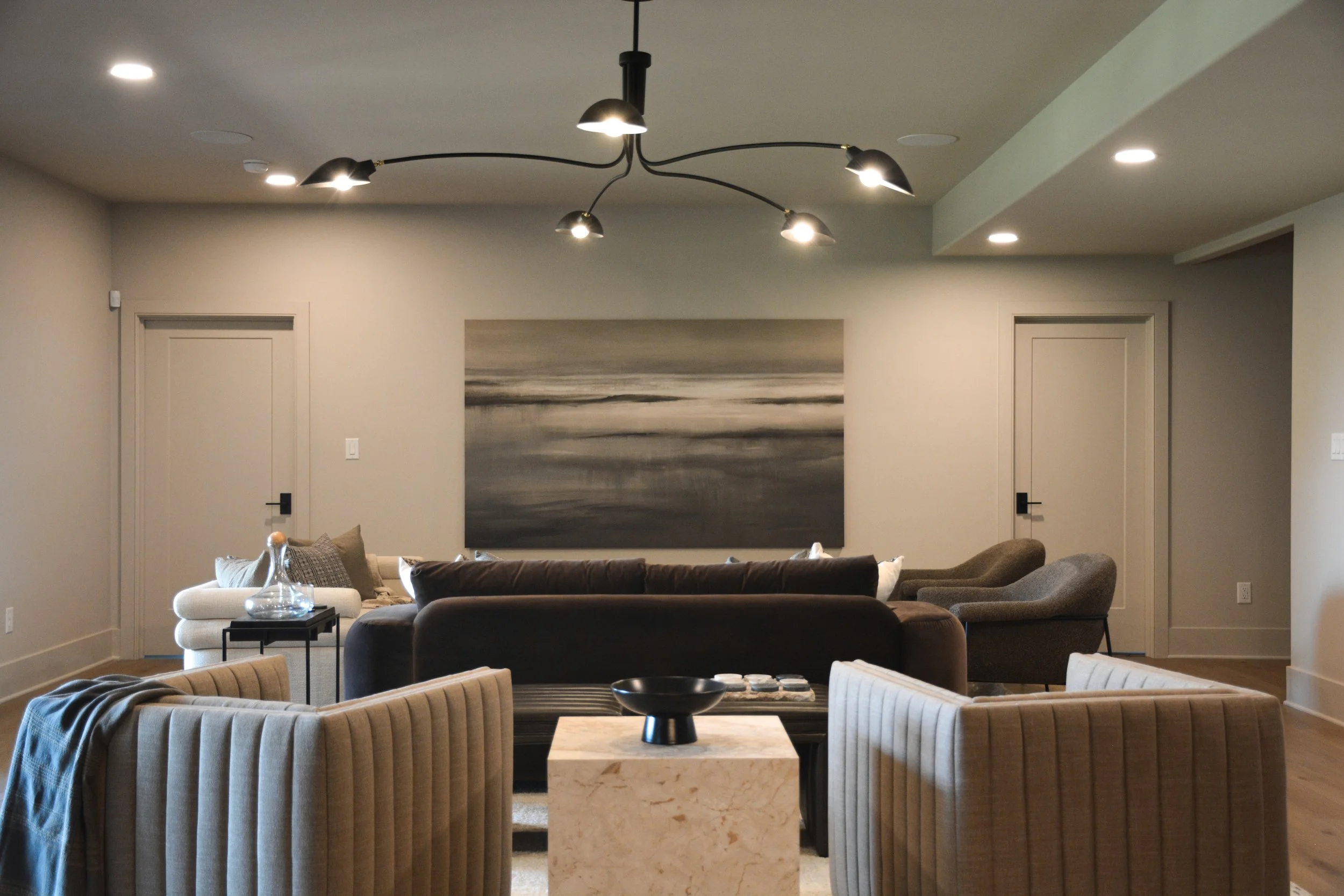
Layered seating, thoughtful lighting, and comfortable furnishings create a welcoming environment designed to support both gathering and everyday routines.
Scale and Proportion: Upholstery in Relation to the Room
Even the best upholstery can feel wrong if the scale is off. Oversized furniture can overwhelm a room, while undersized pieces may feel temporary or disconnected. Upholstery decisions should always be evaluated in relation to ceiling height, room width, and circulation paths.
Interior design helps establish these relationships early, ensuring that upholstered pieces fit comfortably within the architecture rather than fighting it. Furniture should feel integrated into the space instead of competing for attention.
Proportion is often what separates a room that feels professionally designed from one that feels unfinished. A sofa may technically fit within a room, but if it disrupts movement, crowds a fireplace, or blocks natural light, the space will never feel fully resolved.

A thoughtfully designed open-concept living space featuring layered seating arrangements, soft textures, statement lighting, and integrated entertaining areas that create a comfortable environment for gathering, relaxing, and everyday living.
Seat Depth, Arm Width, and Visual Weight
Seat depth affects both comfort and circulation. Deep seats encourage lounging but require more floor space, while shallower seats support upright seating and easier movement. Arm width contributes to visual weight, with slimmer profiles often working better in compact rooms.
Balancing these elements allows furniture to feel generous without dominating the space. Visual weight becomes especially important when multiple upholstered pieces occupy the same room.
Low-profile furniture can help preserve sightlines, while pieces with taller backs may create a sense of enclosure in larger rooms. Every adjustment influences how the room feels and functions.
Planning Upholstery as Part of the Overall Design
One of the most common mistakes homeowners make is purchasing furniture before establishing a broader design plan.
While individual pieces may be attractive, they can quickly become difficult to integrate if they were selected without considering circulation, lighting, or adjacent rooms.
Upholstery decisions work best when they are part of a larger framework. Furniture should support the architecture, complement material selections, and contribute to a cohesive experience throughout the home.
Planning early also helps prevent costly mistakes. Rather than trying to force furniture into a finished room, designers can build the room around the furniture itself, ensuring that proportions, lighting, and movement all work together.
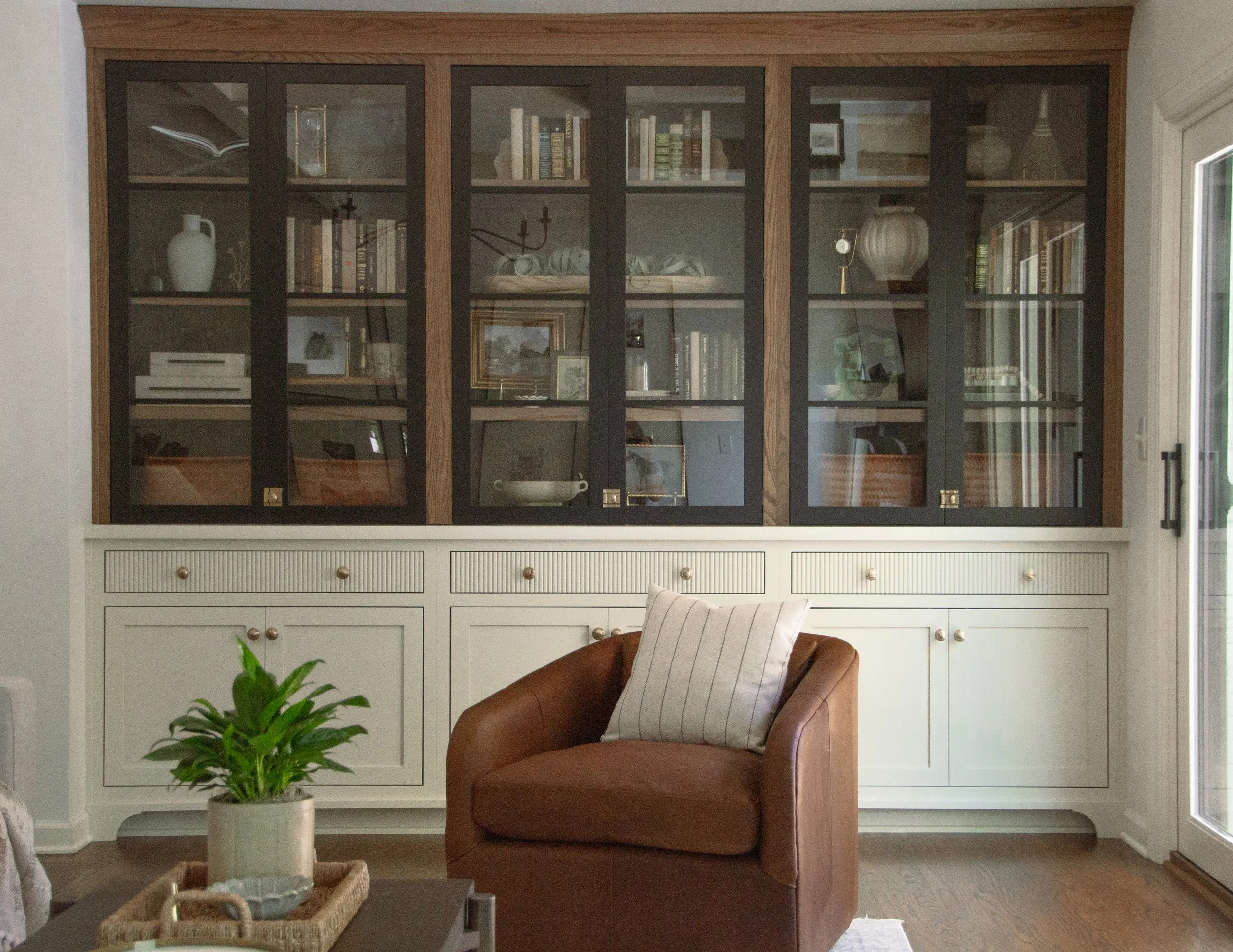
Custom built-ins create a seamless blend of storage, display space, and architectural character while supporting everyday living.
Allowing Furniture to Guide the Space
Furniture often establishes how a room will function. A sectional may create a dedicated gathering zone, a pair of chairs may encourage conversation, and a built-in banquette may maximize seating in a compact dining area.
When upholstery is planned early, these pieces become foundational rather than reactive. Every subsequent decision can then support the furniture rather than compete with it.
This approach also creates opportunities for greater flexibility as household needs evolve over time.
Upholstery in Different Areas of the Home
Each room places different demands on upholstered furniture, and custom solutions allow these needs to be addressed without sacrificing cohesion.
Treating every upholstered piece the same often leads to compromise; tailoring upholstery to its context supports both function and visual clarity.
While consistency is important, every room should have its own purpose. Upholstery allows spaces to maintain continuity while still responding to their specific functions.
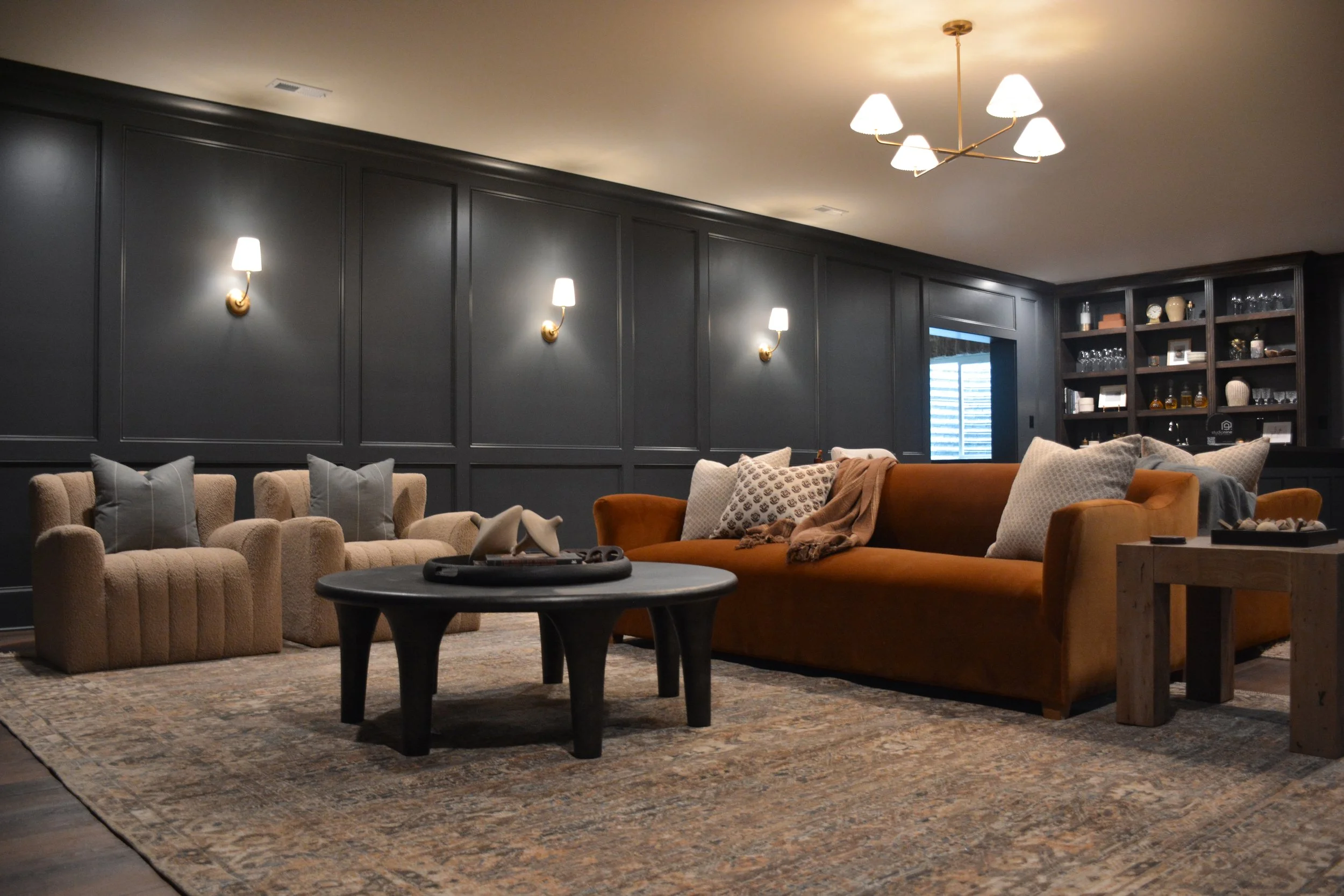
Rich textures, layered upholstery, and dramatic architectural details create a gathering space that feels warm, comfortable, and intentionally designed.
Living Rooms and Gathering Spaces
In primary living areas, upholstery must withstand daily use while remaining comfortable and visually balanced. Performance fabrics, durable cushion construction, and thoughtful scale are especially important here. Seating arrangements should encourage conversation without blocking circulation.
Layering upholstered pieces, such as a sofa paired with occasional chairs, adds flexibility and depth without overcrowding the room.
These gathering spaces often become the most frequently used areas of the home, making upholstery one of the most important investments in the room.
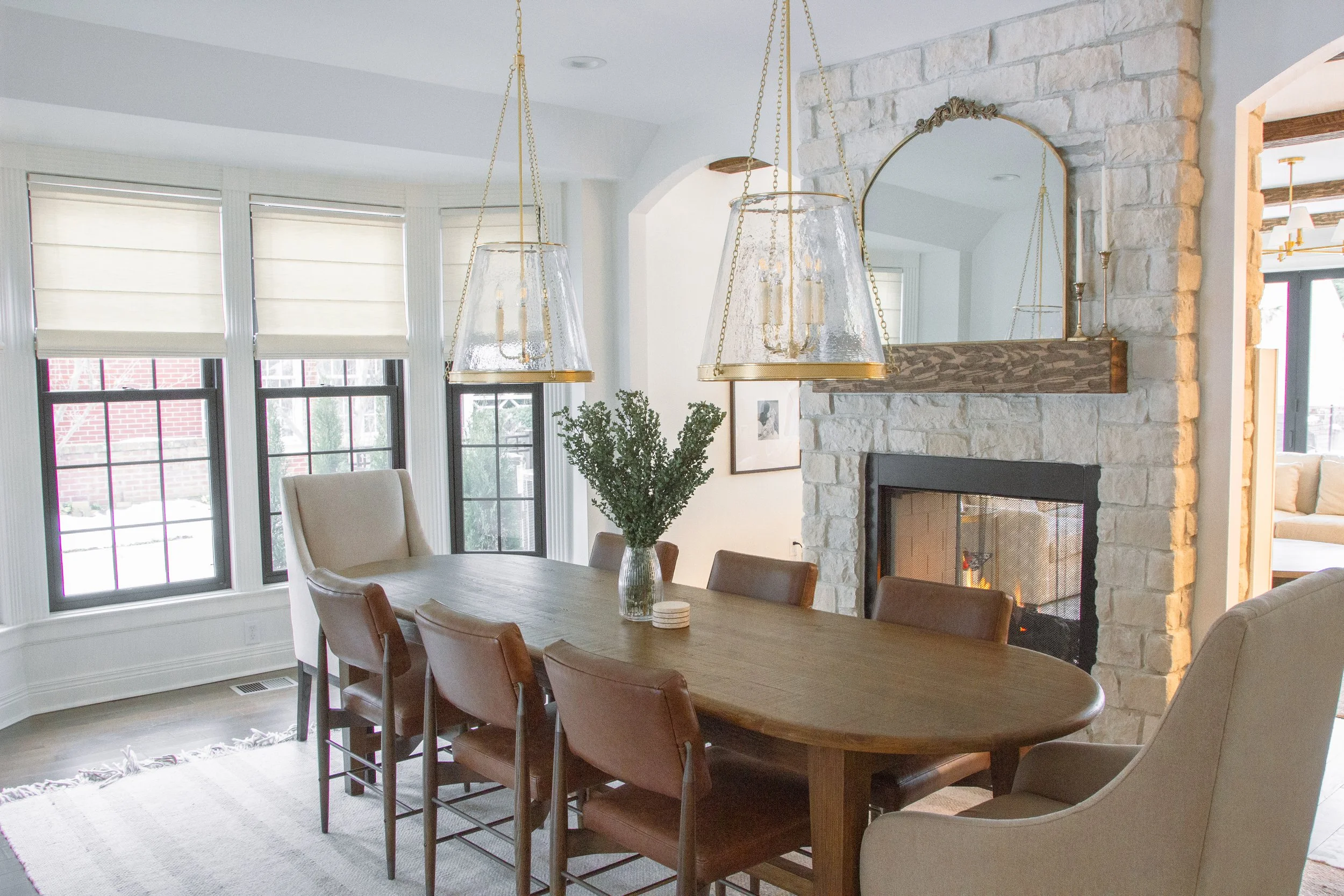
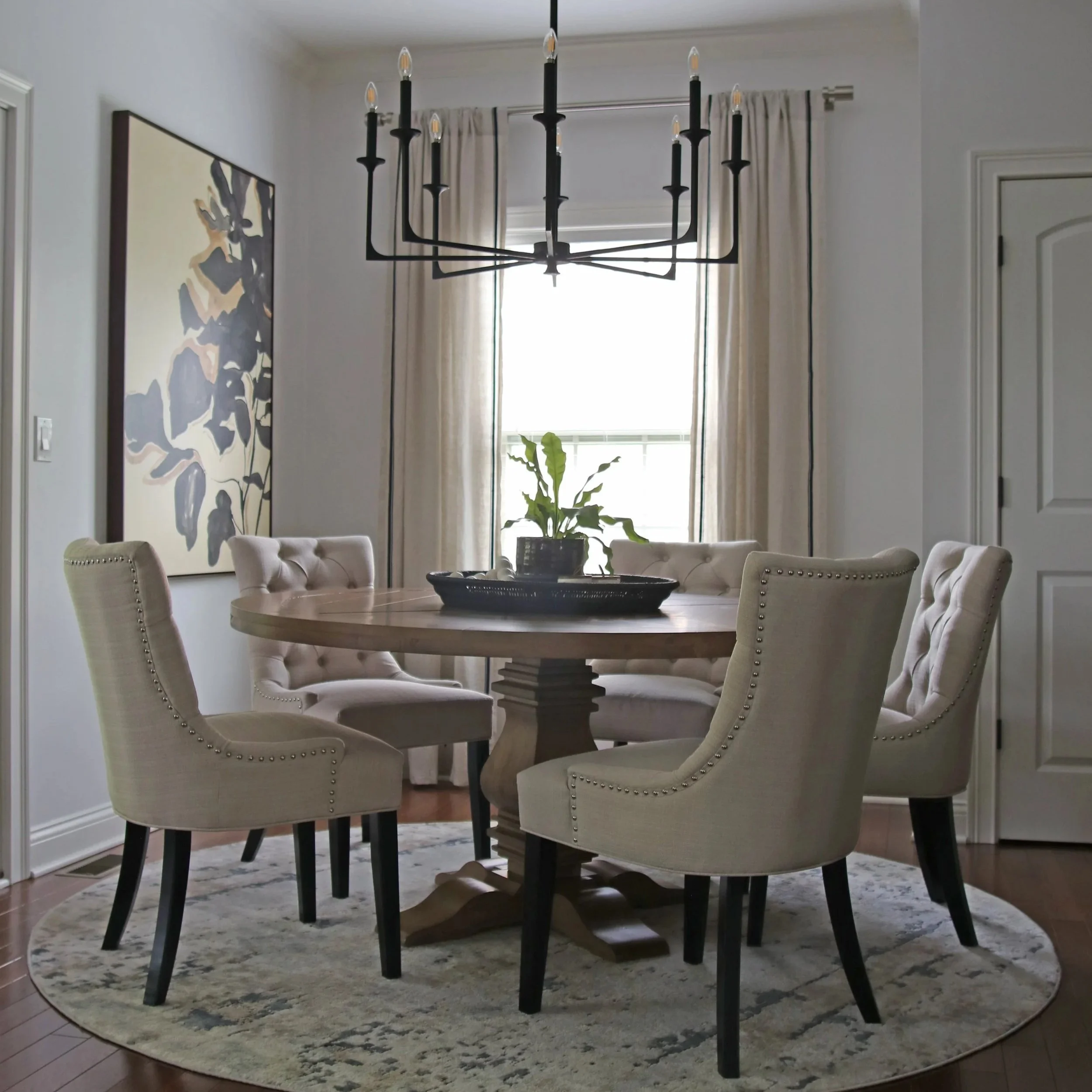
Natural materials, layered lighting, and comfortable seating create a dining space designed to encourage connection and everyday use.
Dining Banquettes and Built-In Seating
Upholstered banquettes offer comfort and efficient use of space in dining areas. Fabric choice here should prioritize cleanability and durability, while cushion firmness supports extended seating. Custom sizing ensures that banquettes align properly with tables and circulation paths.
When designed well, banquettes feel integrated rather than improvised. They become architectural features rather than furniture additions.
These spaces also create opportunities to introduce subtle pattern or texture without overwhelming the room.
Bedrooms and Private Spaces
In bedrooms, upholstery contributes to softness and sound absorption. Headboards, benches, and accent chairs add comfort without introducing visual clutter.
Fabrics can be slightly more delicate here, reflecting lower traffic and a quieter atmosphere.
These pieces often serve as transitional elements, bridging architecture and furnishings while helping bedrooms feel layered and complete.
Thoughtful upholstery also helps establish a sense of retreat, creating rooms that feel restorative rather than simply functional.
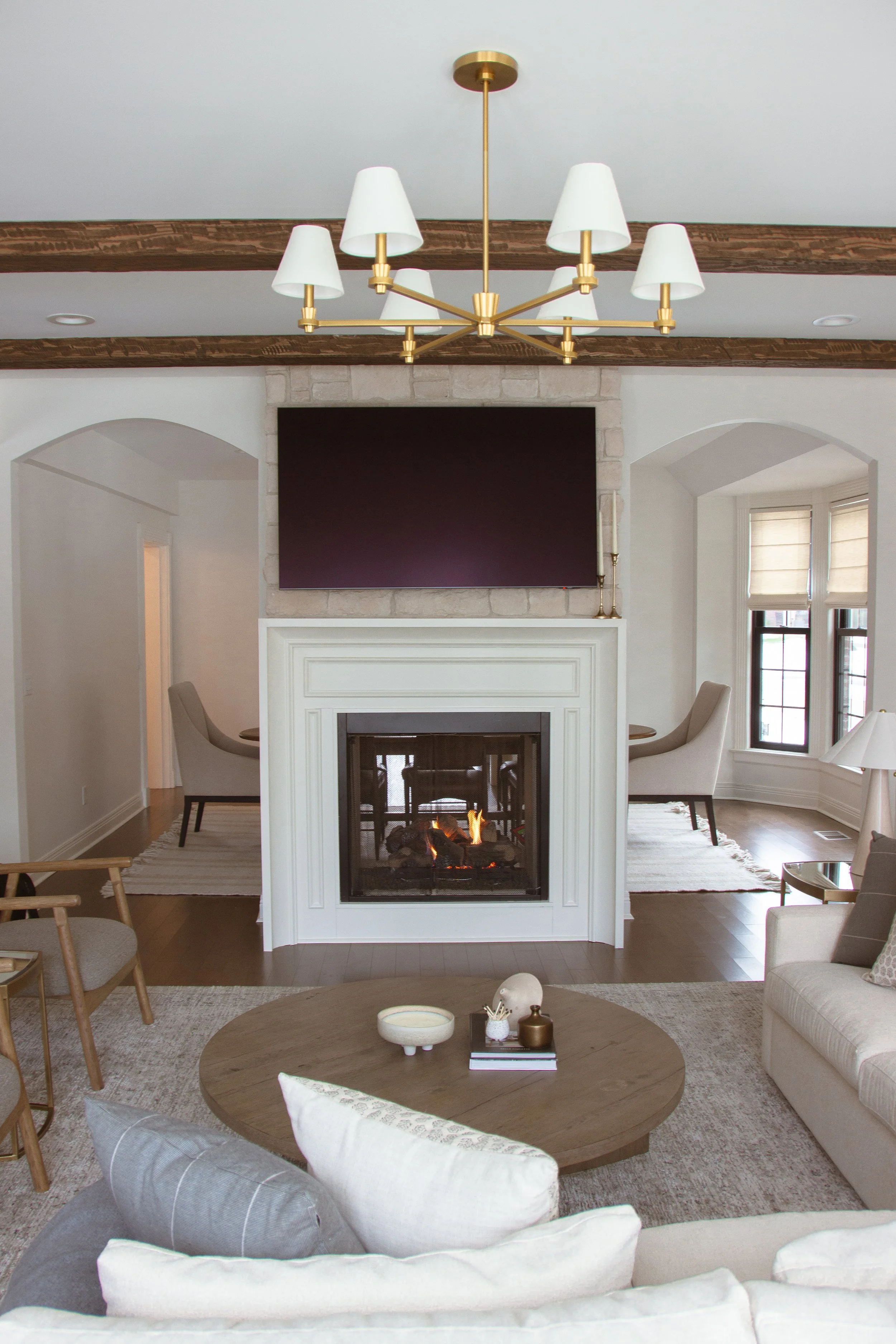
Designing Upholstery Around Everyday Living
Furniture should be selected for the realities of everyday life rather than idealized scenarios.
Children, pets, entertaining habits, and household routines all influence which fabrics and constructions will perform best over time.
Performance fabrics have become increasingly sophisticated, offering stain resistance, durability, and easy maintenance without sacrificing softness or appearance. This allows homeowners to prioritize comfort without worrying that every day use will compromise the furniture.
Designing around real life also removes unnecessary stress. Furniture should invite use rather than create hesitation.
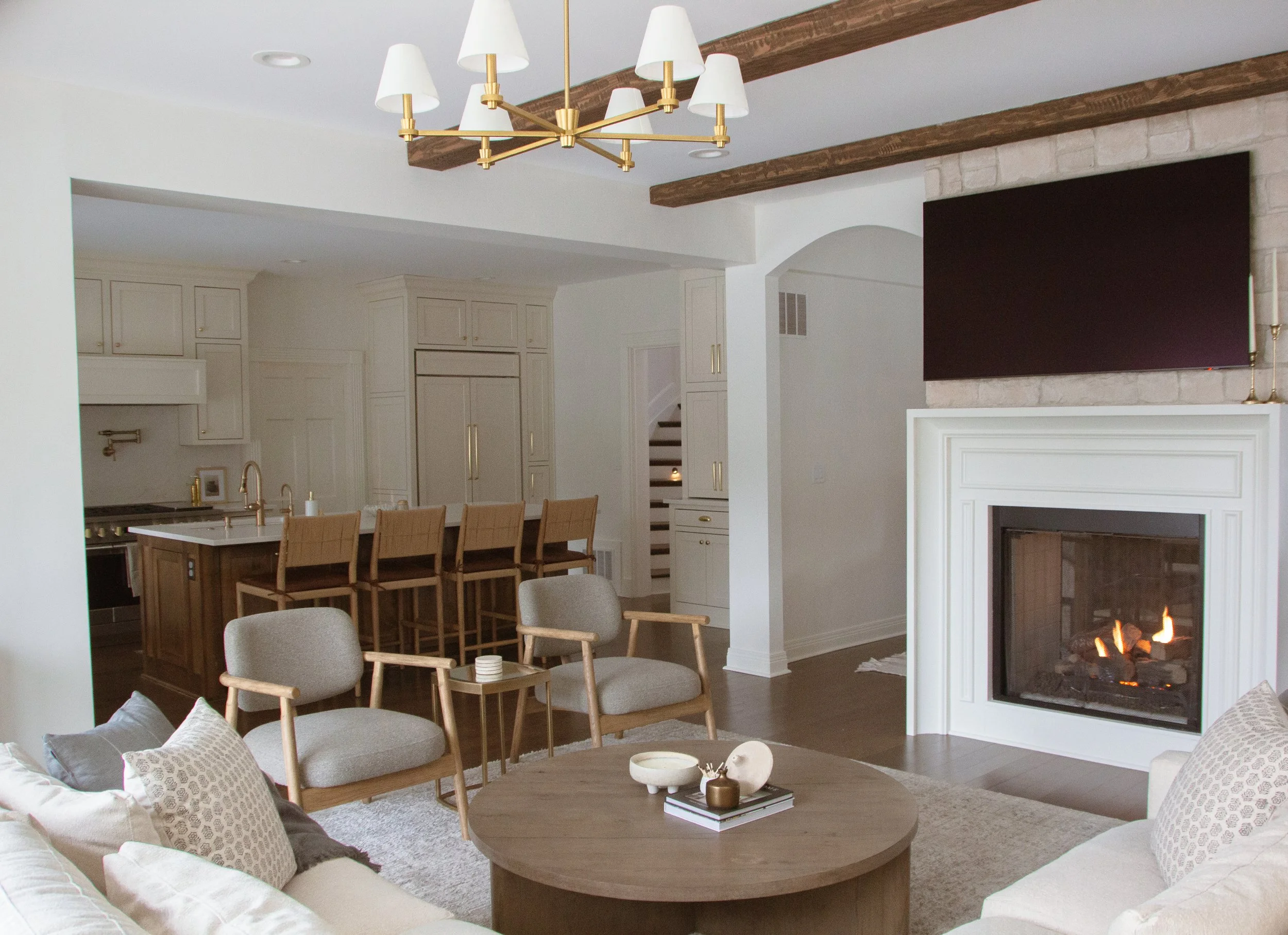
A balanced open-concept layout where the living room, kitchen, and gathering spaces work together to support everyday routines and effortless entertaining.
Supporting Families, Pets, and Frequent Entertaining
Households with children or pets often benefit from tightly woven fabrics, removable cushion covers, and materials that can withstand repeated cleaning. Entertaining spaces may require additional seating flexibility or more durable textiles.
These practical considerations do not limit design possibilities. In many cases, they create better outcomes because furniture is chosen with intention rather than appearance alone.
The most successful upholstery solutions quietly support the way a household naturally operates every day.
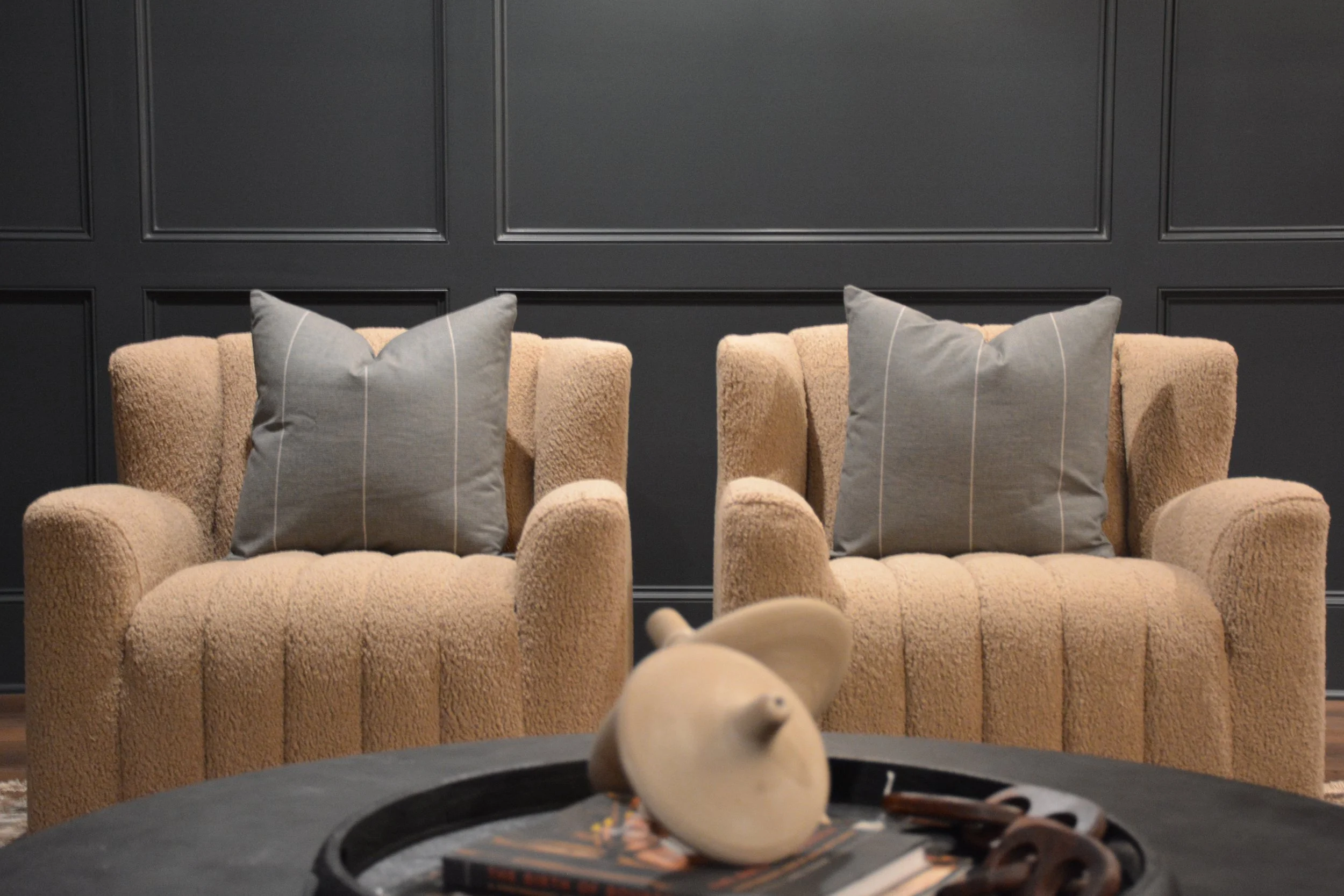
Thoughtfully layered textures and moody finishes create a welcoming lounge space designed for connection and quiet moments.
Preserving Existing Furniture Through Reupholstery
Not every project requires purchasing new furniture. Reupholstery offers an opportunity to preserve meaningful pieces while adapting them to a new design direction. Antique chairs, heirloom furniture, and sentimental pieces can often be refreshed with updated fabrics and cushion construction.
This approach allows homeowners to maintain personal history within a newly renovated space. Rather than replacing quality craftsmanship, existing pieces can be given new life while preserving their original character.
Reupholstery also supports sustainability by extending the lifespan of well-made furniture.
Knowing What Is Worth Saving
Pieces with solid hardwood frames, quality joinery, and timeless silhouettes are often excellent candidates for reupholstery. Updating fabrics can dramatically change their appearance without requiring complete replacement.
Evaluating these opportunities early allows existing furniture to become part of the overall design plan instead of feeling disconnected from the finished space.
In many homes, these preserved pieces become some of the most meaningful design elements because they connect the past with the present.
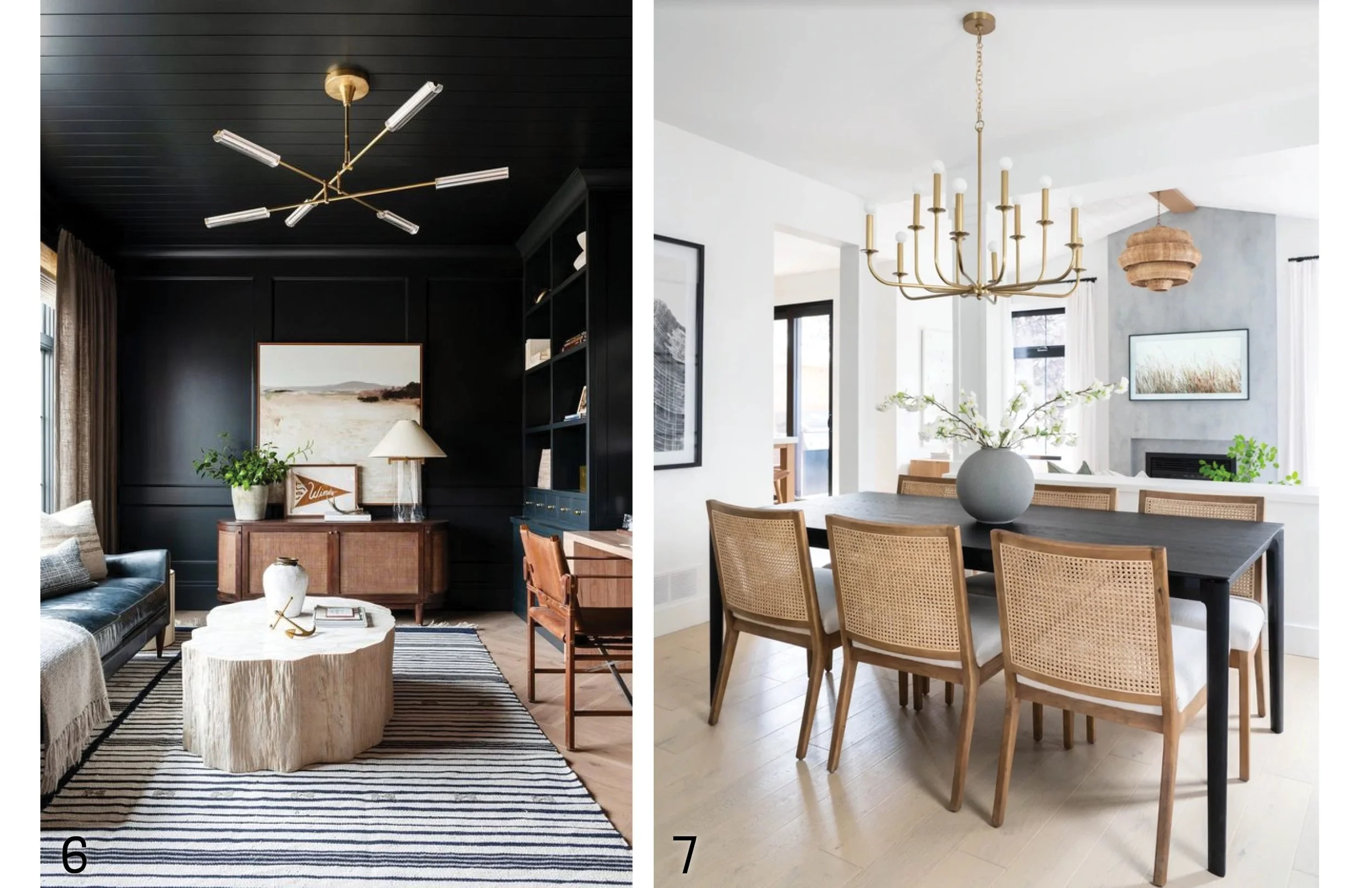
A comparison of two thoughtfully designed gathering spaces that showcase Studio Nine Interiors' versatility. One room embraces dramatic black paneling and custom millwork for a moody workspace, while the adjoining dining space uses light finishes, natural textures, and statement lighting to create an inviting atmosphere for everyday living and entertaining.
Custom Upholstery vs. Ready-Made Pieces
While ready-made furniture offers convenience, custom upholstery provides control. Dimensions can be adjusted, fabrics specified, and construction details aligned with the room's requirements. This level of customization is particularly valuable in spaces with unique proportions or specific functional needs.
Custom upholstery also allows furniture to be designed as part of a larger plan rather than selected piece by piece. This coordination supports cohesion throughout the home and often creates more polished results.
Rather than adapting a room around furniture limitations, custom upholstery allows furniture to adapt to the room itself. This flexibility often makes a significant difference in spaces that need to support multiple activities or unusual architectural conditions.
When Custom Makes the Most Sense
Custom upholstery is especially beneficial for primary seating, built-ins, banquettes, or spaces where standard sizes fall short. It also allows fabrics to be used consistently across multiple pieces, reinforcing continuity throughout the home.
Custom pieces often become long-term investments because they can evolve over time. Updating fabric years later can refresh a room without replacing the furniture itself.
Studio Nine Interiors incorporates custom upholstery as part of its broader interior design services, ensuring alignment between furniture, finishes, layouts, and the overall design direction.
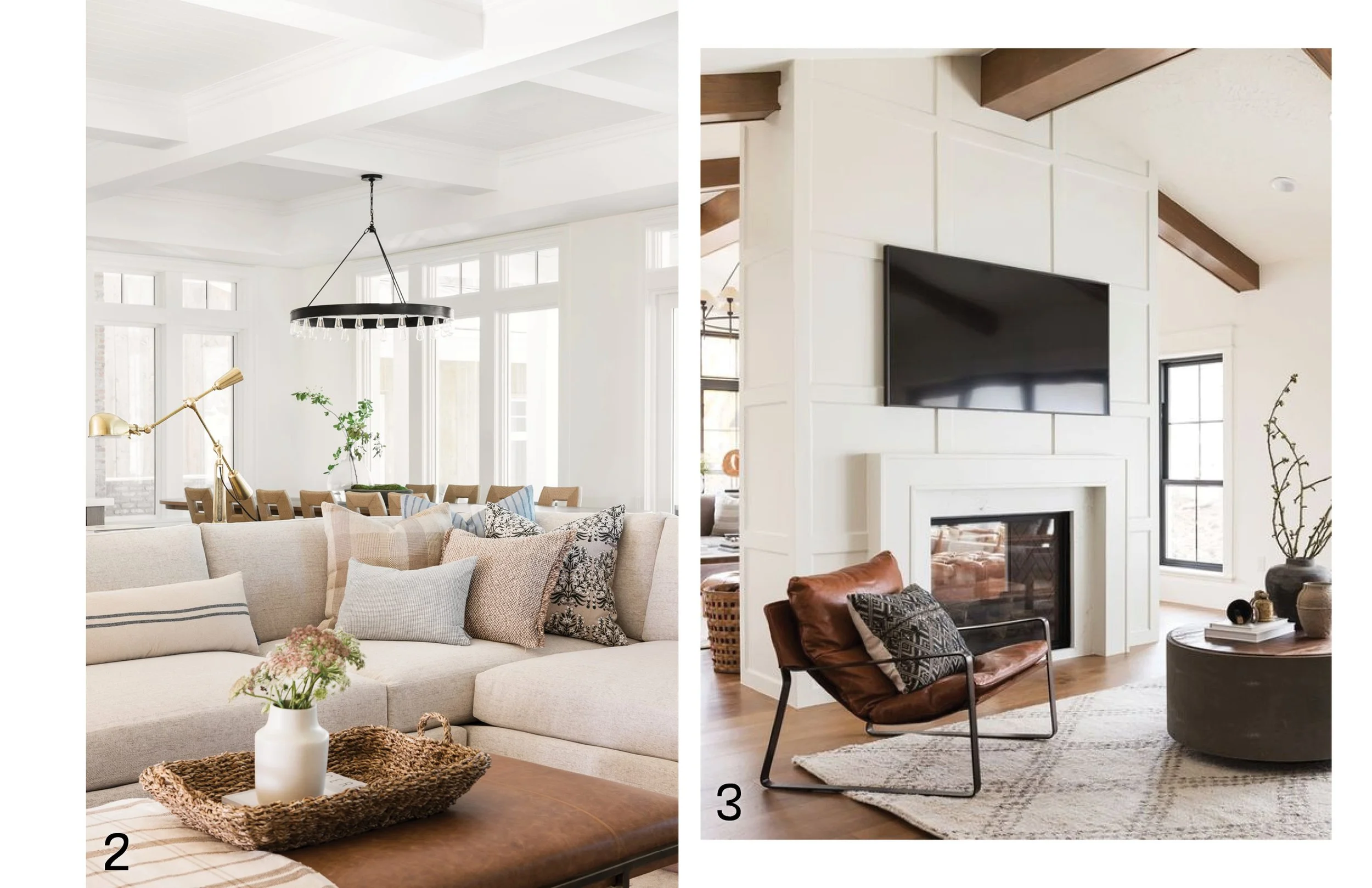
Two thoughtfully designed living spaces that highlight how intentional material selections support long-term functionality and maintenance. Durable upholstery, layered textures, timeless architectural details, and versatile layouts create rooms that remain beautiful, comfortable, and practical through years of everyday living.
Maintenance, Wear, and Long-Term Use
Upholstery decisions should account for maintenance realities. Some fabrics require professional cleaning, while others can be spot-cleaned easily. Understanding these requirements helps set expectations and prevents frustration over time.
Choosing fabrics and constructions that align with household habits, including pets, children, and entertaining, ensures that furniture remains attractive and functional rather than becoming a source of stress.
Durability does not mean sacrificing beauty. Today's materials offer an impressive balance of softness, texture, and performance that allows homeowners to prioritize both aesthetics and practicality.
Designing for Longevity
Well-made upholstered furniture can be reupholstered as styles evolve, extending its lifespan significantly. Selecting classic silhouettes and quality frames allows fabric updates without replacing the entire piece.
This approach supports sustainability while maintaining flexibility over time. Rather than constantly replacing furniture, homeowners can invest in fewer, higher-quality pieces that continue serving the home for decades.
Timeless silhouettes also provide more freedom to update surrounding decor, accessories, and styling without needing to overhaul foundational furnishings.
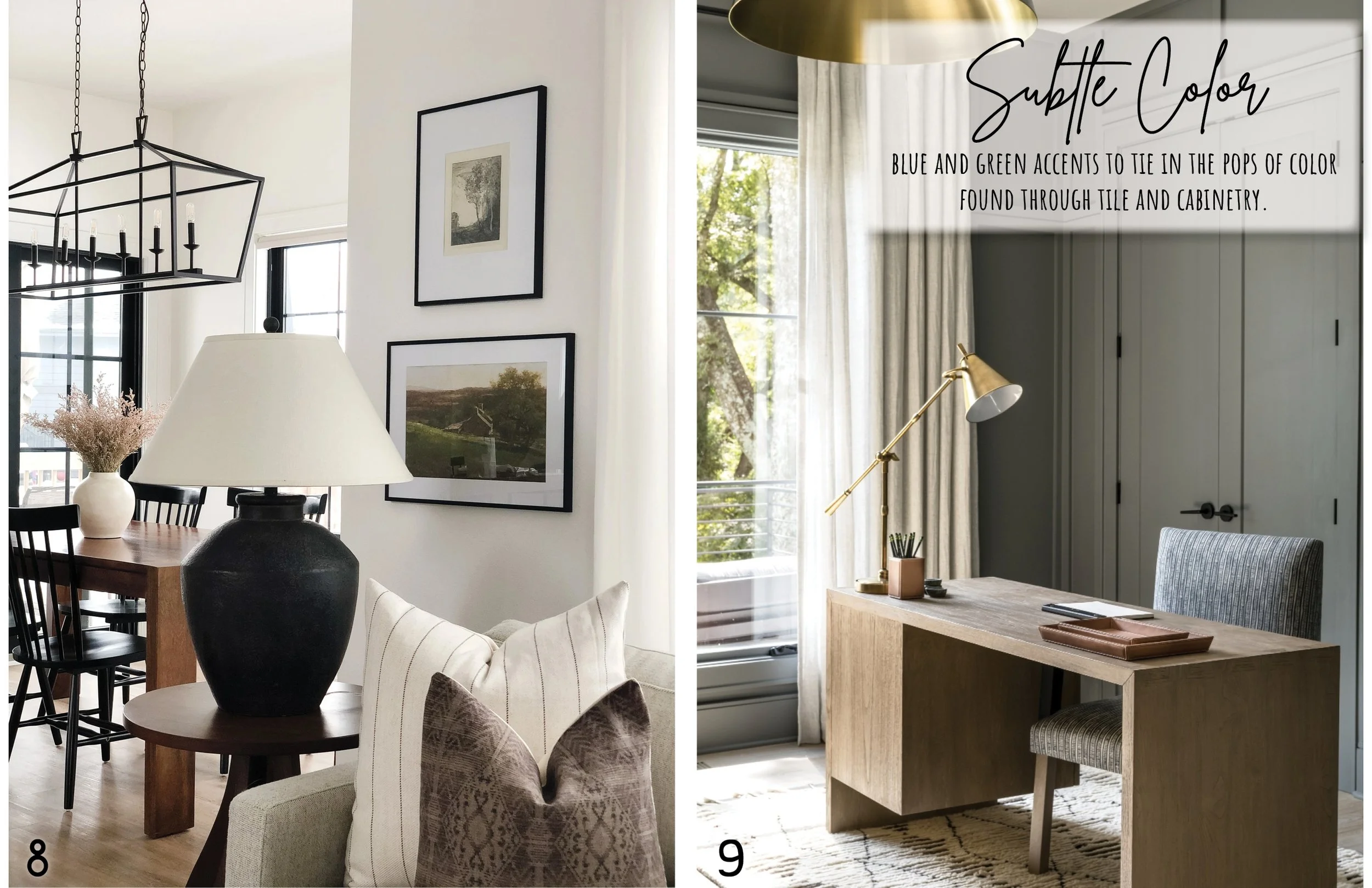
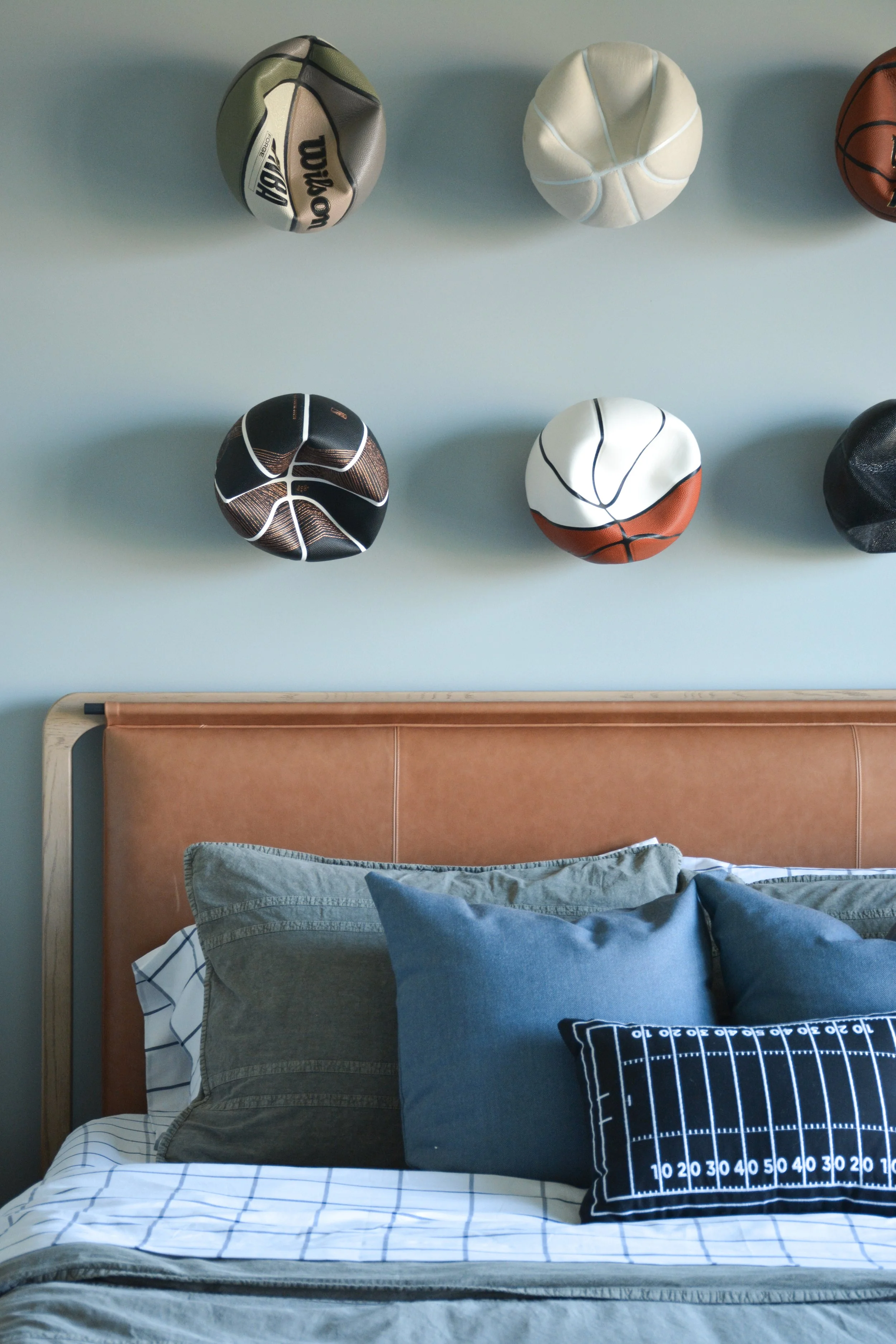
This pairing highlights Studio Nine Interiors' approach to incorporating subtle color, layered textures, and purposeful styling throughout a home. Carefully selected artwork, lighting, furnishings, and understated blue and green accents create visual continuity while allowing each space to feel intentional, functional, and uniquely connected to the overall design vision.
The Studio Nine Interiors Approach to Furniture Upholstery
At Studio Nine Interiors, upholstery decisions begin with understanding how a household truly lives. Daily routines, entertaining habits, pets, children, and long-term goals all inform the furniture planning process before fabrics are ever selected.
Furniture layouts, material selections, lighting plans, and architectural details are developed together rather than independently. This integrated approach helps upholstered pieces feel connected to the larger design vision instead of appearing as standalone purchases.
Every decision is evaluated through both a practical and aesthetic lens. The goal is to create spaces that feel comfortable, functional, and enduring without becoming overly trend-driven.
Layering Furniture Into a Cohesive Home
Upholstery is rarely viewed room by room. Instead, Studio Nine Interiors evaluates how upholstered pieces relate to one another throughout the home. Repeating textures, balancing visual weight, and introducing subtle variation create continuity without making spaces feel repetitive.
This whole-home perspective allows each room to maintain its own identity while still contributing to a unified design language.
Many of these approaches can be seen throughout Studio Nine Interiors' portfolio, where furnishings feel intentional, layered, and connected to the architecture.
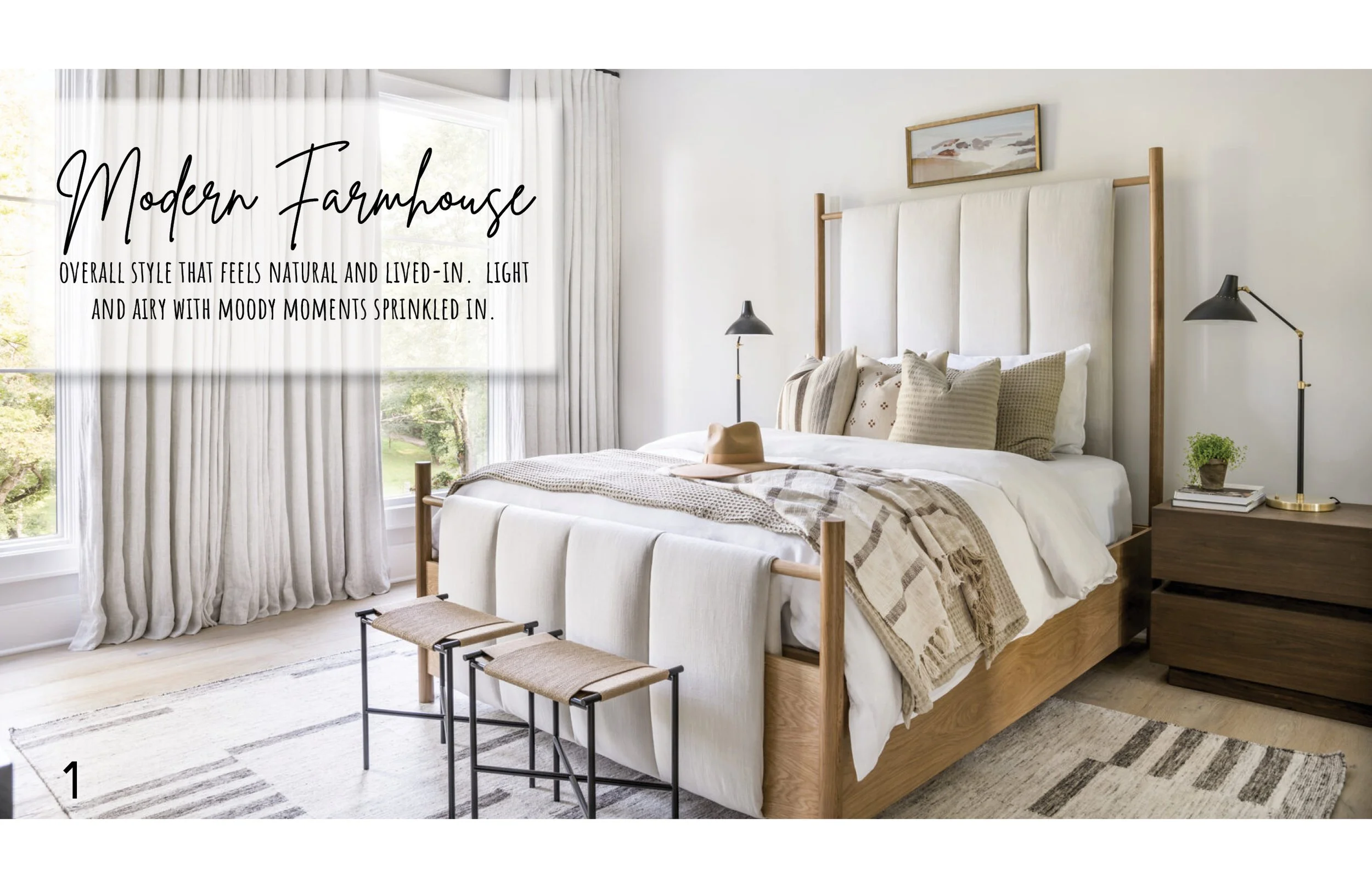
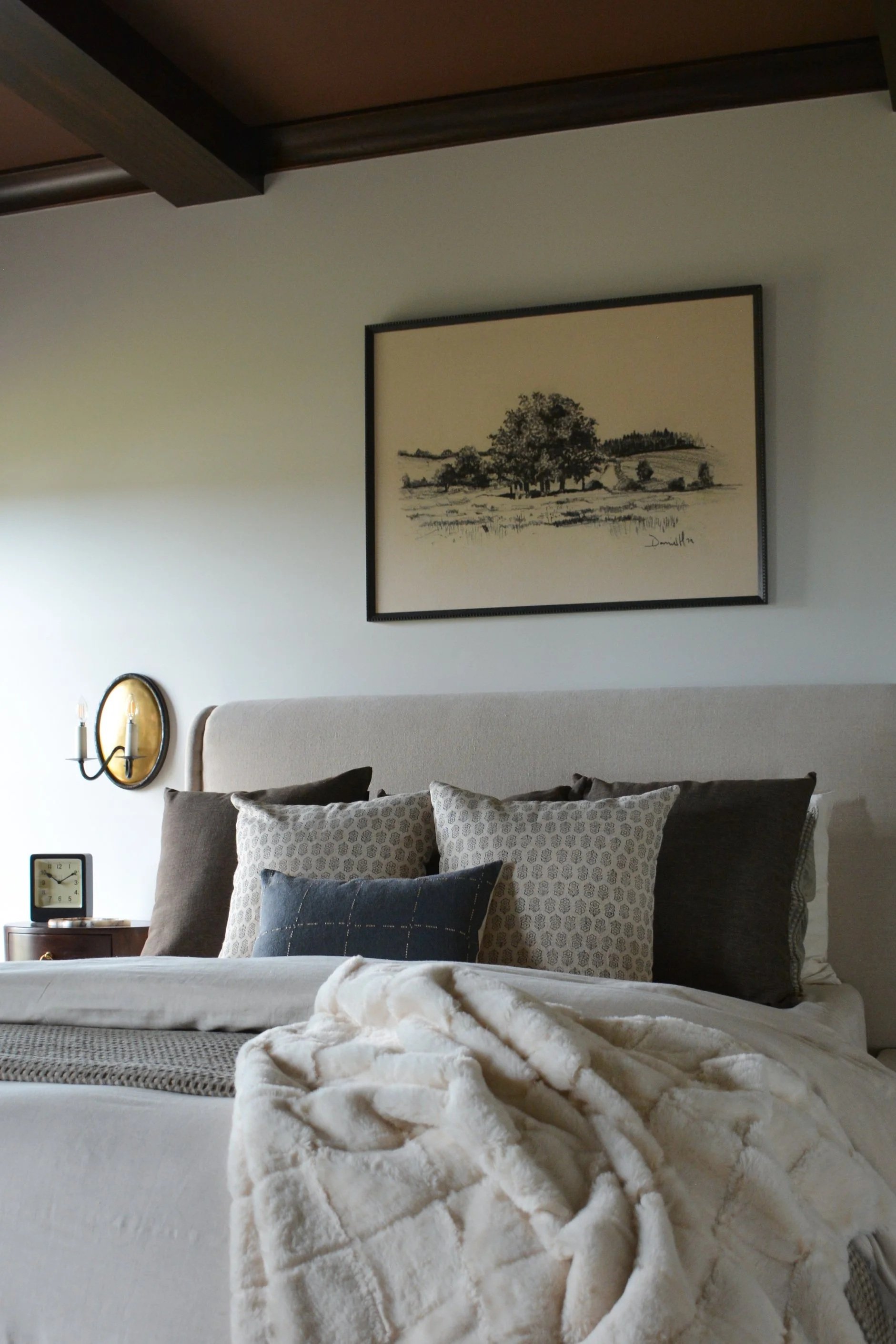
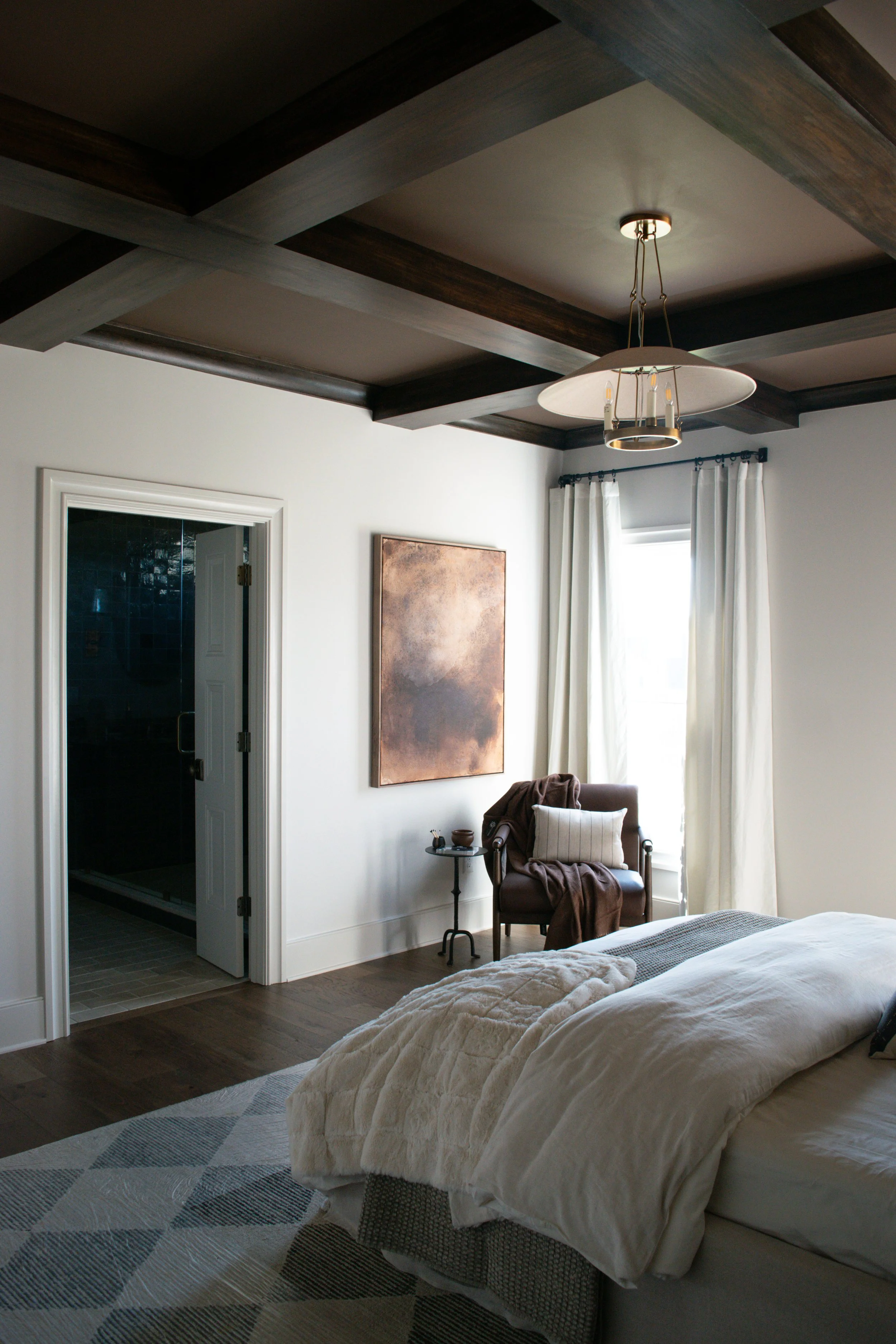
Modern farmhouse design balances airy finishes, warm natural materials, and subtle moody details to create a bedroom that feels comfortable, timeless, and inviting.
Creating Furniture That Feels Personal and Lasting
Furniture is one of the most frequently used elements in any home. The right upholstery decisions quietly improve everyday life by supporting comfort, encouraging connection, and making spaces feel more inviting.
Beginning with a clear design vision allows homeowners to make confident decisions about fabrics, construction, and scale. Instead of reacting to individual purchases, every upholstered piece can contribute to a broader story that unfolds throughout the home.
This approach often produces interiors that feel timeless because they prioritize how people live rather than what is currently trending.
When furniture is selected with intention, it becomes more than decor. It becomes part of the daily experience of the home.
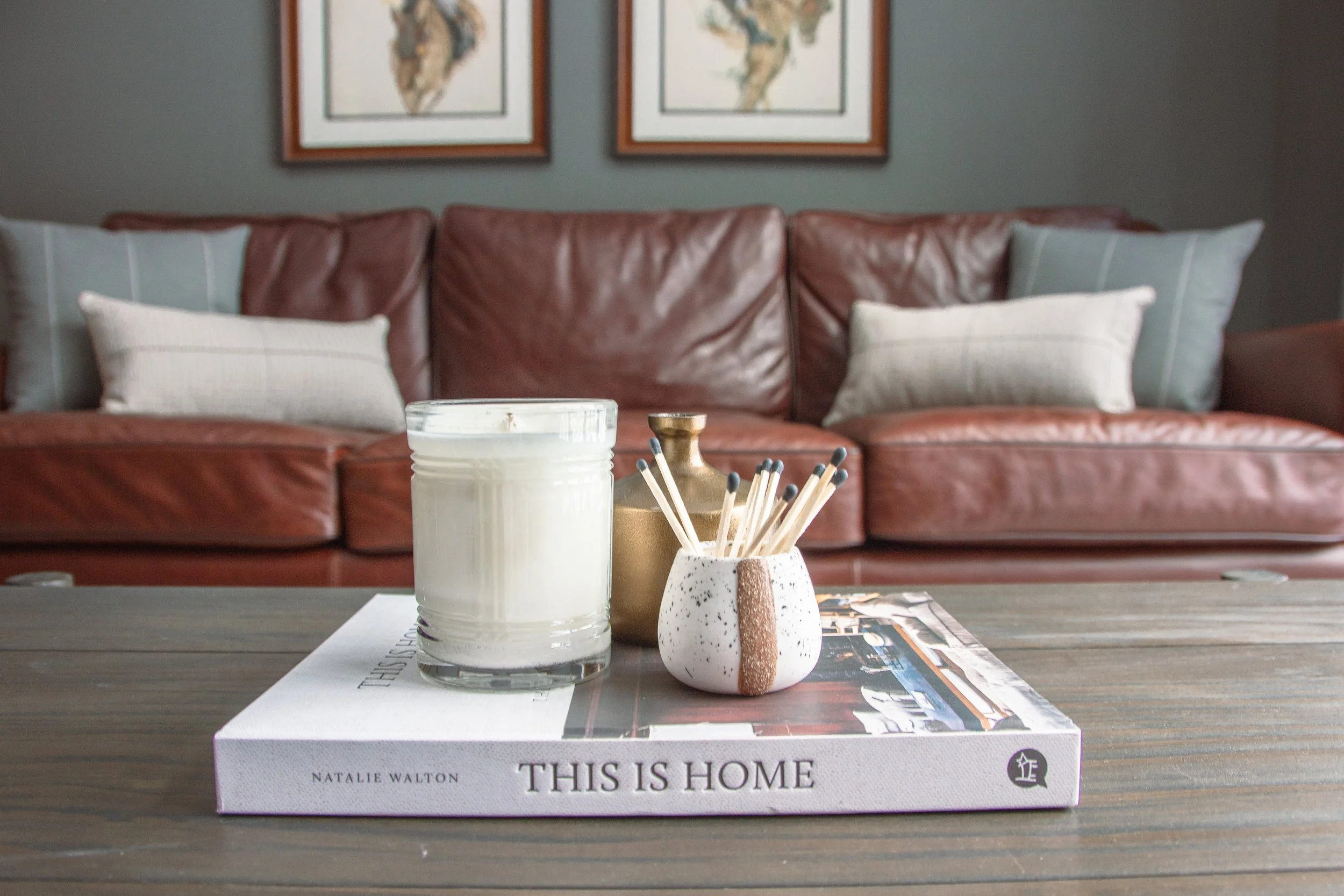
Intentional styling details and layered textures help transform everyday living spaces into warm, welcoming environments.
Furniture That Supports the Way a Home Is Lived
Upholstered furniture should invite use rather than discourage it. When fabric, construction, and scale are aligned, furniture becomes part of daily life rather than something to work around. Rooms feel more welcoming, acoustics improve, and the overall experience of the home is elevated.
Studio Nine Interiors approaches upholstery with an editorial eye and a practical understanding of how spaces are used. To see how upholstered pieces contribute to finished interiors, explore our portfolio. When you're ready to discuss upholstery as part of a larger project, learn more about the studio or connect through the contact page.
Frequently Asked Questions About Furniture Upholstery
What is furniture upholstery?
Furniture upholstery refers to the fabrics, padding, springs, and structural components that cover and support seating furniture such as sofas, chairs, banquettes, headboards, and benches.
Is custom upholstery worth the investment?
Custom upholstery provides greater control over dimensions, materials, comfort, and durability, making it especially valuable for primary seating and rooms with unique proportions.
How long does upholstered furniture typically last?
Well-constructed furniture can last for decades when built with quality frames, durable fabrics, and proper maintenance practices.
Can existing furniture be reupholstered?
Yes. Many heirloom pieces, antique chairs, and well-built sofas can be refreshed with updated fabrics and cushion construction while preserving their original structure.
What fabrics work best for homes with children?
Tightly woven performance fabrics are often ideal because they offer durability, stain resistance, and easier maintenance while remaining comfortable.
Are performance fabrics durable enough for everyday use?
Yes. Modern performance fabrics are specifically designed to withstand heavy use while maintaining softness, texture, and visual appeal.
How do I choose upholstery colors?
Start with the overall design plan. Foundational furniture often benefits from versatile neutral tones, while accent pieces can introduce subtle contrast and personality.
Should upholstery match throughout a home?
Not exactly. Repeating textures, tones, and materials creates continuity while allowing each room to maintain its own identity.
What furniture pieces benefit most from custom upholstery?
Primary sofas, sectionals, dining banquettes, built-in seating, and frequently used chairs often benefit most from custom specifications.
Can upholstery improve a room's acoustics?
Yes. Upholstered pieces absorb sound and soften hard surfaces, helping rooms feel quieter and more comfortable.
How do I maintain upholstered furniture?
Follow manufacturer recommendations, vacuum regularly, address spills quickly, and schedule professional cleaning when appropriate.
When should furniture be replaced instead of reupholstered?
Furniture with damaged frames, poor construction, or severe structural issues may be better replaced. Well-built pieces are often excellent candidates for reupholstery.