
Custom Window Treatments That Shape Light, Privacy, and Interior Design
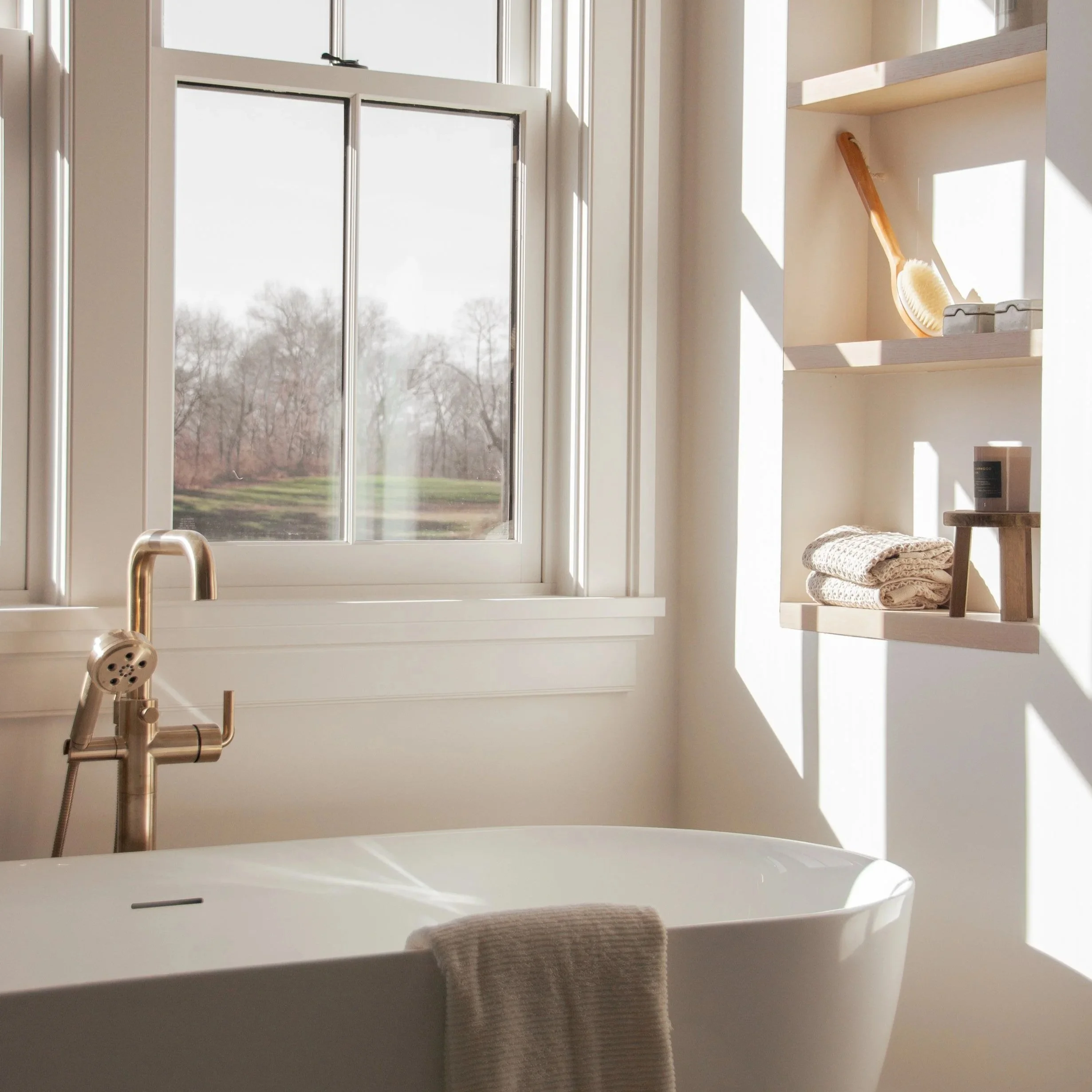
This bathroom image highlights how window placement and surrounding details shape the feeling of a room. The large window brings soft natural light into the bathing area, while the surrounding trim, built-in shelving, and clean architectural lines help the window feel integrated rather than separate from the design. In a bathroom, window treatments and privacy planning are especially important because the space needs to feel open, comfortable, and protected at the same time. This setting shows how thoughtful window design can support light control, privacy, proportion, and everyday comfort without overwhelming the room.
How Custom Window Treatments Complete a Room
Window treatments are rarely just decorative. They influence how light enters a space, how rooms feel at different times of day, and how architecture is perceived from the inside. When chosen thoughtfully and planned early, custom window treatments quietly reinforce proportion, soften transitions, and complete a room in ways that off-the-shelf solutions rarely achieve.
At Studio Nine Interiors, window treatments are treated as part of the architectural composition of a space, not an accessory added at the end. Whether layered drapery, tailored shades, or a restrained combination of both, the right solution supports privacy, comfort, and visual balance while allowing the architecture and furnishings to remain the focus.
This approach reflects the studio’s broader design philosophy seen throughout our portfolio, where each detail contributes to the overall experience of the home. Window treatments may appear quiet, but their impact can be felt in the way a room holds light, frames a view, and supports daily routines.
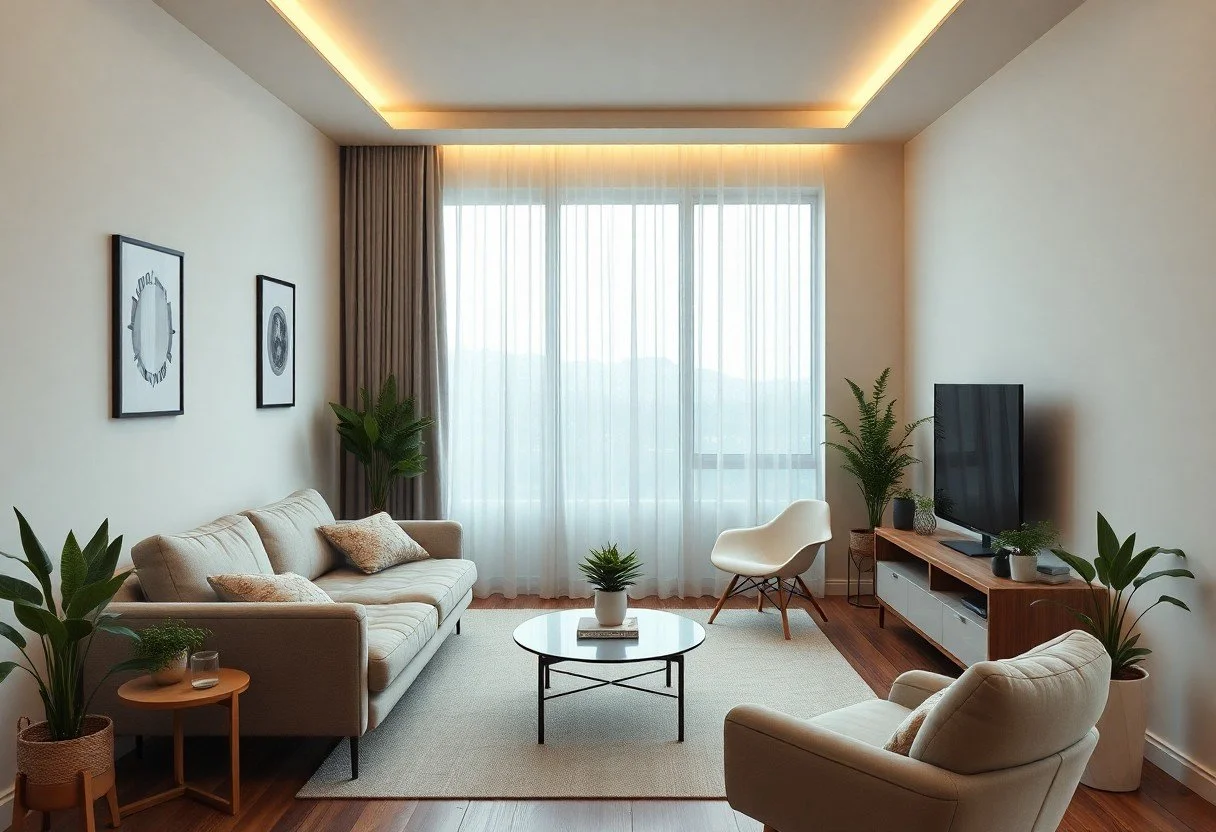
This image demonstrates how layered window treatments can shape the atmosphere of an entire room. Floor-to-ceiling drapery paired with sheer panels softens incoming sunlight while maintaining brightness and preserving outdoor views. The extended height of the treatments emphasizes the room's vertical proportions and helps the window wall feel larger and more integrated with the surrounding architecture. In living spaces, layered treatments offer flexibility throughout the day by allowing homeowners to adjust privacy, reduce glare, and control light levels without sacrificing comfort. This approach reflects Studio Nine Interiors' philosophy of treating window treatments as an essential design element that supports functionality, scale, and long-term livability throughout the home.
Why Window Treatments Matter More Than Most People Realize
A room can be fully furnished and still feel unfinished if the windows are unresolved. Poorly scaled panels, shades mounted too low, or fabrics that fight the palette can subtly undermine the rest of the design. Conversely, well-planned window treatments create a sense of completion that is difficult to quantify but immediately felt.
Beyond aesthetics, window treatments affect comfort in very real ways. They regulate glare, manage heat gain, improve acoustics, and offer privacy without sacrificing natural light. When these functional needs are addressed alongside proportion and materiality, the result feels cohesive rather than corrective.
Window treatments also influence how the eye reads a room. Drapery can make ceilings feel taller, shades can create quiet structure, and layered treatments can soften hard architectural lines. These effects are subtle, but they help determine whether a space feels settled, balanced, and intentionally designed.
Scale, Height, and Visual Balance
One of the most common issues with window treatments is incorrect scale. Panels that stop at the window frame shorten the perceived height of a room, while shades mounted too close to the glass can feel cramped. Custom solutions allow treatments to be sized and placed to enhance ceiling height, widen narrow windows, or visually anchor large expanses of glass.
Mounting height, fullness, hem length, and hardware placement all contribute to how a room reads. These details rarely draw attention to themselves, but they strongly influence whether a space feels composed or slightly off.
When window treatments are properly scaled, they support the architecture instead of competing with it. The room feels taller, softer, and more complete without relying on obvious decoration.

Light Control as a Design Tool
Light changes a room throughout the day, and window treatments determine how controlled or diffuse that shift feels. In some spaces, such as living rooms or kitchens, maintaining soft daylight without harsh glare is the priority.
In others, including bedrooms, media rooms, or offices, light management directly affects comfort and usability.
Custom window treatments allow light control to be calibrated precisely. Sheer layers can filter daylight without closing the room off. Lined drapery or tailored shades can provide darkness when needed without adding visual weight during the day. This flexibility supports how a space is actually used rather than forcing a single lighting condition.
Planning light control early also helps coordinate window treatments with lighting design, furniture placement, and room orientation. A home office may need glare reduction near a desk, while a family room may need filtered light that does not interfere with television viewing or conversation areas.
Balancing Daylight and Privacy
Privacy does not need to come at the expense of openness. Layered solutions, such as sheers paired with structured drapery or shades, allow privacy to be adjusted throughout the day. This is especially valuable in urban settings or homes with close neighbors, where constant openness is not practical.
By planning these layers early, the treatments feel integrated rather than reactive, supporting comfort without making the room feel closed in.

Layering Shades and Drapery for Flexibility
Layered window treatments often provide the best balance between softness, privacy, and function.
A shade may handle daily light control, while drapery adds warmth, height, and visual completion. Together, the two can make a room feel finished without becoming heavy.
Sheer drapery can soften daylight while preserving a sense of openness. Woven shades can introduce texture and natural warmth. Blackout linings can support sleep in bedrooms, while decorative panels frame the window and contribute to the overall palette.
The key is restraint. Layering should add flexibility, not clutter. When fabrics, hardware, and mounting details are coordinated, layered treatments feel architectural rather than excessive.
Softness Without Visual Weight
One of the advantages of custom window treatments is the ability to soften a room without overwhelming it. Drapery does not need to feel formal or heavy to be effective. The right fabric, fullness, and mounting strategy can create movement and warmth while still allowing the space to feel clean and refined.
This is especially important in homes with open layouts, where several rooms may be visible at once. Consistent treatment strategies help spaces feel connected while allowing each room to respond to its own light, privacy, and function needs.
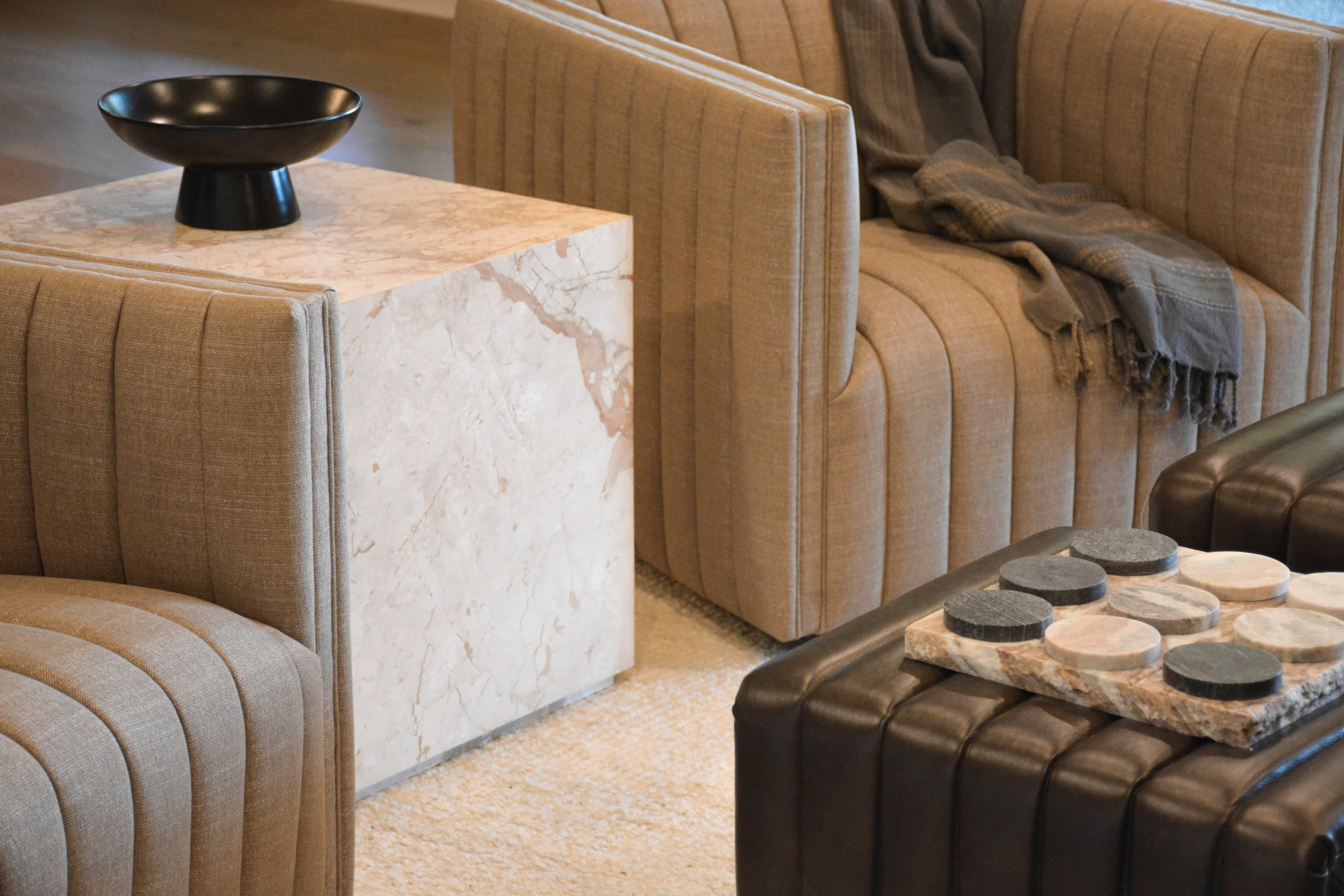
This image illustrates how custom window treatments should be considered part of an entire room design rather than an isolated feature. The upholstered lounge chairs, natural stone accent table, and layered decorative accessories demonstrate how textures and materials work together to create balance throughout a space. Studio Nine Interiors often coordinates drapery fabrics, woven shades, and hardware selections with surrounding furnishings to establish continuity from one design element to the next. This holistic approach helps rooms feel intentional while preventing window treatments from appearing disconnected from the overall aesthetic. When every material is selected together, homeowners benefit from spaces that feel warmer, more polished, and better suited for long-term everyday living.
Material Selection: Fabric as Architecture
Fabric choice plays a significant role in how window treatments interact with the rest of the room. Weight, weave, texture, and color all influence how light is absorbed or reflected, how sound behaves, and how formal or relaxed the space feels. Custom treatments allow these qualities to be tuned to the room rather than chosen from a limited preset.
In many interiors, window treatment fabric becomes one of the largest continuous surfaces. As such, it should relate closely to wall finishes, upholstery, rugs, flooring, and architectural details. When fabrics are selected in isolation, they often feel disconnected. When selected as part of a larger palette, they reinforce cohesion quietly.
This is why window treatments are often best considered within a broader full-service interior design process. Fabric, hardware, furnishings, lighting, and room planning can then support one another instead of being handled as separate decisions.
Texture Over Pattern
In spaces that aim to feel calm and layered, texture often carries more weight than bold pattern. Linen blends, wool sheers, subtle weaves, and matte finishes add depth without visual noise. Pattern can certainly play a role, but it is most effective when the surrounding elements remain restrained.
This approach aligns with Studio Nine’s preference for materials that age well and support longevity rather than chasing short-lived trends. A quiet fabric with depth can often outlast a strong pattern while still giving the room richness and character.
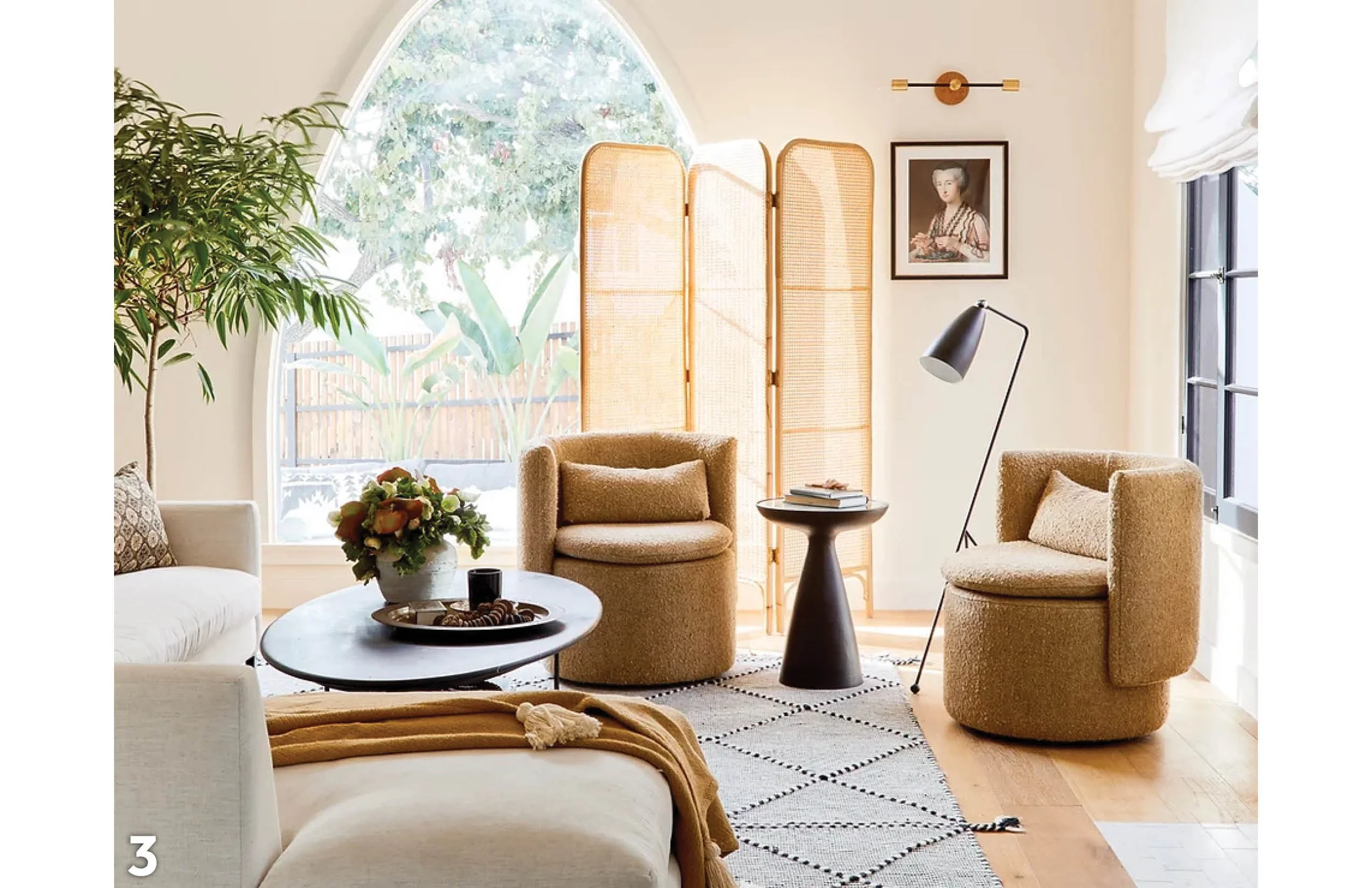
This image showcases how custom window treatments can complement unique architectural elements, including arched windows and expansive openings that bring abundant natural light into a room. The relaxed Roman shade on the side window provides privacy and light control while maintaining the airy character of the space. Studio Nine Interiors often approaches these rooms by considering how window treatments can soften hard lines, frame focal points, and support the room's overall functionality without overwhelming distinctive architectural details. Layered textures, warm neutral tones, and carefully selected furnishings work together to create a welcoming environment that feels both elevated and comfortable. Thoughtful window treatment selections help homeowners maintain brightness throughout the day while introducing softness, visual balance, and long-term practicality.
Planning Window Treatments During the Design Process Instead of After Installation
One of the biggest differences between custom window treatments and ready-made solutions is timing. Many homeowners wait until a room is nearly complete before considering window coverings, only to realize that electrical placement, trim details, furniture layouts, and architectural elements limit the available options.
Integrating window treatment planning earlier in the design process allows every component of the room to work together. Mounting locations can be anticipated, shade pockets can be incorporated when appropriate, and furniture layouts can be established without conflicting with drapery movement or shade operation.
This proactive approach reduces compromises and creates a cleaner finished result. Instead of appearing like an afterthought, the treatments become an intentional extension of the room's architecture.
At Studio Nine Interiors, this level of coordination occurs throughout the design process so materials, proportions, and functional requirements are considered together rather than independently. This integrated approach is part of our design process, allowing every element to support the overall vision of the home.
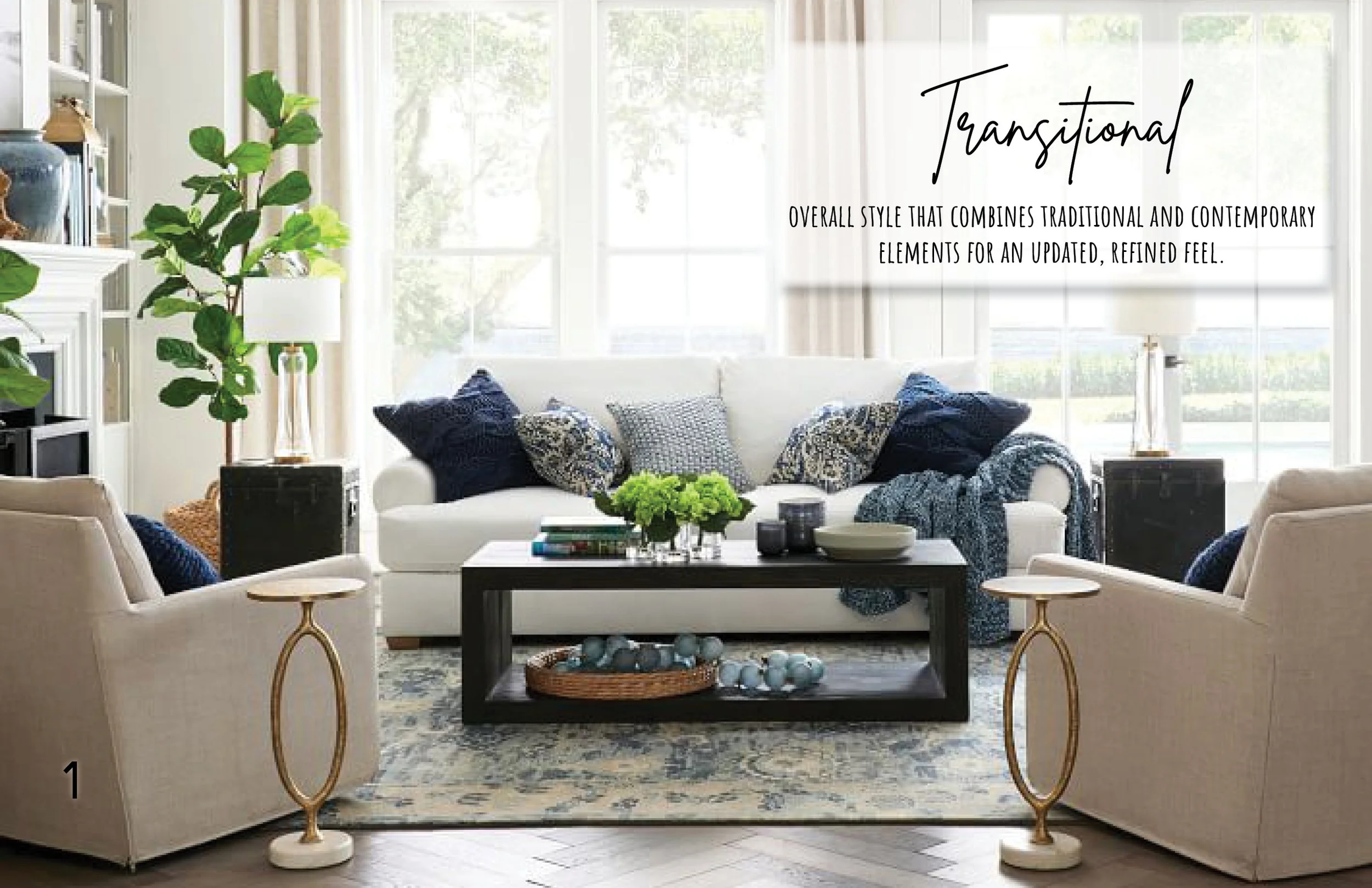
This transitional living room demonstrates how thoughtfully selected window treatments become an integral part of a home's overall design language. Floor-to-ceiling drapery panels frame expansive windows, adding softness, height, and visual continuity without competing with the furnishings or architectural features. The layered blue accents, neutral upholstery, and balanced mix of traditional and contemporary elements illustrate how window treatments help connect every component of a room. Studio Nine Interiors often considers architectural details, furniture placement, natural light patterns, and the desired atmosphere before selecting fabrics, hardware, and installation methods. The result is a cohesive space where window treatments support both daily functionality and long-term aesthetic goals while helping the room feel bright, welcoming, and intentionally designed.
Architectural Details That Influence Window Treatments
Several architectural features affect window treatment decisions, including ceiling heights, crown molding, trim profiles, window depths, transoms, and room orientation. Understanding these details early allows treatments to feel purposeful rather than forced.
For example, crown molding may influence hardware placement, while large expanses of glass may require specialized mounting systems. Floor-to-ceiling windows may benefit from hidden hardware solutions, while smaller windows may require strategies that visually enlarge the opening.
Every room presents a unique set of considerations, which is why custom planning often produces significantly better results than attempting to apply a single treatment style throughout an entire home.

This image illustrates how coordinated window treatments help establish continuity throughout open concept homes. Matching Roman shades are installed across multiple windows, creating a unified visual rhythm while preserving abundant natural light. Studio Nine Interiors often considers sightlines between adjacent rooms when selecting window treatments so that materials, colors, and operating styles feel intentional from one space to the next. In open floor plans, consistency does not necessarily mean every room looks identical. Instead, window treatments are selected to support each area's function while contributing to a cohesive overall design story. The warm leather sofa, soft neutral textiles, and expansive windows demonstrate how subtle, tailored treatments can provide privacy and light control without disrupting the openness that makes these layouts so desirable. Thoughtful coordination allows connected spaces to feel harmonious, balanced, and comfortable for everyday living.
Creating Cohesion Throughout Open Concept Homes
Open floor plans present unique opportunities and challenges for window treatments. Since multiple spaces are visible simultaneously, consistency becomes important without creating repetition that feels monotonous.
The goal is rarely to make every window identical. Instead, it is to establish a common design language that allows rooms to feel connected while still responding to their individual functions.
For example, woven shades may appear throughout common spaces, while drapery is selectively added in gathering areas to soften the environment. Bedrooms may receive blackout functionality while still maintaining the same overall aesthetic language.
This layered consistency allows homes to feel unified without becoming overly coordinated, particularly in larger projects similar to our Homearama homes, where multiple living spaces must feel connected while serving different purposes.
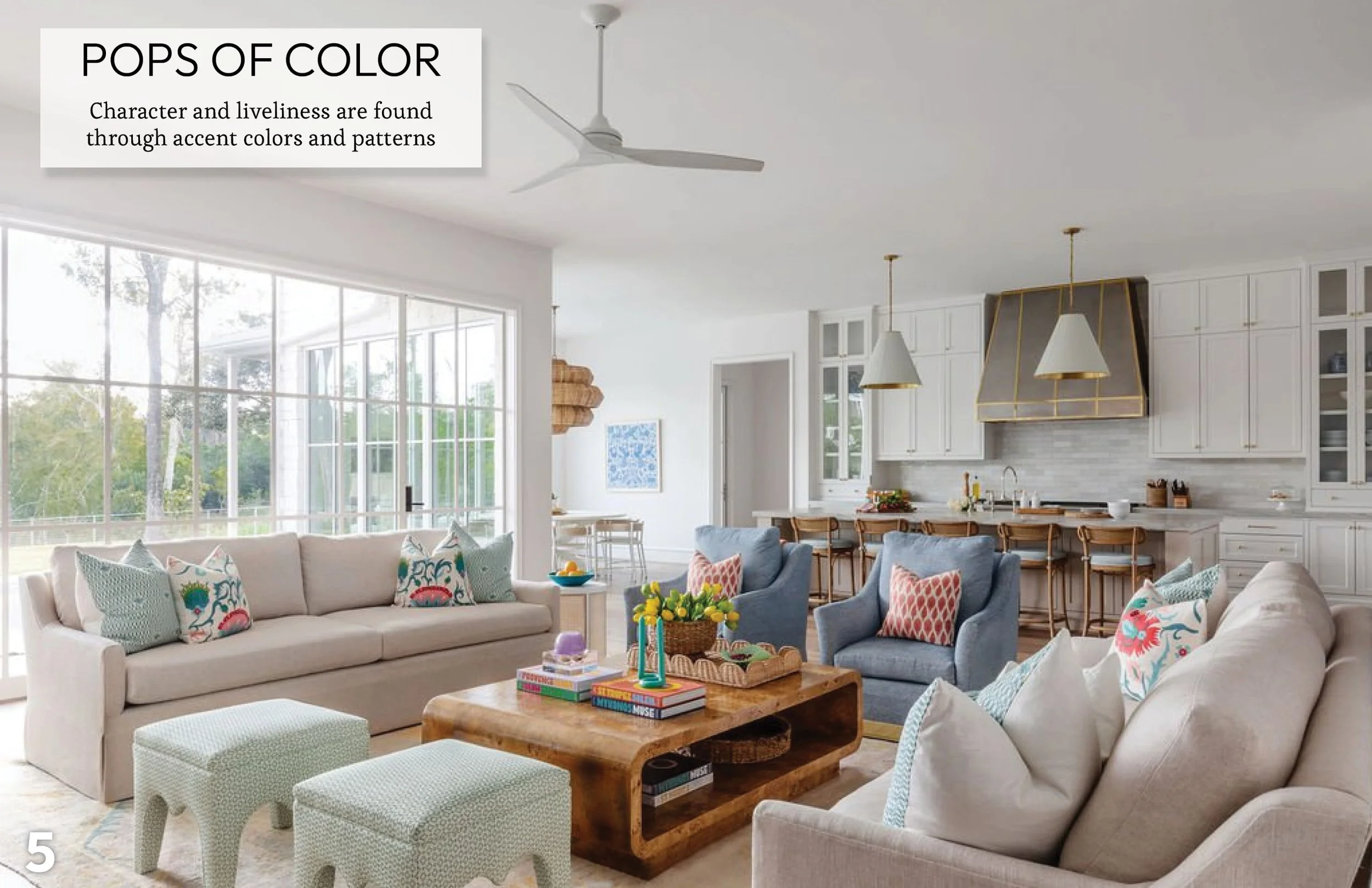
This bright open concept living space demonstrates how homeowners can introduce color and personality while maintaining a cohesive design foundation. Expansive windows allow natural light to flood the room, while subtle window treatments preserve the openness without distracting from the overall design. Studio Nine Interiors often uses window treatments as a unifying element that ties multiple rooms together, allowing furnishings, accent pillows, artwork, and accessories to provide variation from space to space. Consistent materials, similar mounting styles, and coordinated fabrics help maintain visual flow while still giving each room its own identity. This approach creates a home that feels balanced and connected rather than repetitive, allowing homeowners to incorporate playful colors and layered textures without sacrificing overall continuity. Thoughtful window treatment selections help every space feel intentional, functional, and timeless while supporting the larger design vision of the home.
Maintaining Variety Without Losing Continuity
Material variation can introduce interest without disrupting flow. Similar fabrics in varying weights, coordinated hardware finishes, and consistent mounting heights create continuity that quietly ties spaces together.
When each room is treated independently without considering the larger home, transitions can feel abrupt. Thoughtful coordination allows individual rooms to have personality while preserving visual harmony from one space to the next.
This approach is particularly beneficial in kitchens that open into dining spaces, family rooms connected to breakfast areas, and multi-purpose gathering spaces that serve several functions throughout the day.

This sitting room demonstrates how thoughtfully designed window treatments can support the way homeowners use their spaces every day. Layered woven Roman shades and full-length drapery provide multiple levels of light control, privacy, and visual softness while complementing the room's darker color palette and contemporary furnishings. Studio Nine Interiors often evaluates how a room is used throughout the day before selecting window treatments, considering factors such as morning sunlight, glare reduction, privacy needs, and overall comfort. Layering treatments allows homeowners to adjust natural light without sacrificing warmth or style. The combination of textured materials, oversized windows, and balanced proportions illustrates how functional decisions can also enhance the room's aesthetic appeal. Well-designed window treatments become an important part of everyday living by helping spaces feel comfortable, adaptable, and cohesive while supporting the routines that take place within the home.
Window Treatments That Support Everyday Living
Beautiful spaces must also be practical. Window treatments interact with daily routines in ways homeowners may not initially anticipate. Morning light patterns, afternoon heat gain, television viewing, privacy needs, and cleaning considerations all influence how successful a solution will be long term.
When window treatments support everyday habits, they become nearly invisible in use. Homeowners are not constantly adjusting panels, fighting glare, or wishing for additional privacy because those needs have already been anticipated.
This emphasis on functionality is particularly important in homes with children, pets, remote work spaces, or rooms that serve multiple purposes throughout the day.
Considering Lifestyle Early
Questions about daily routines often reveal the best solutions. How is the room used in the morning? Which direction does it face? Is glare an issue during work hours? Does privacy become important after sunset?
These answers help guide fabric selection, shade opacity, and operational systems that fit naturally into a homeowner's routine.
The result is a home that not only looks refined but also functions effortlessly throughout changing seasons and varying daylight conditions.
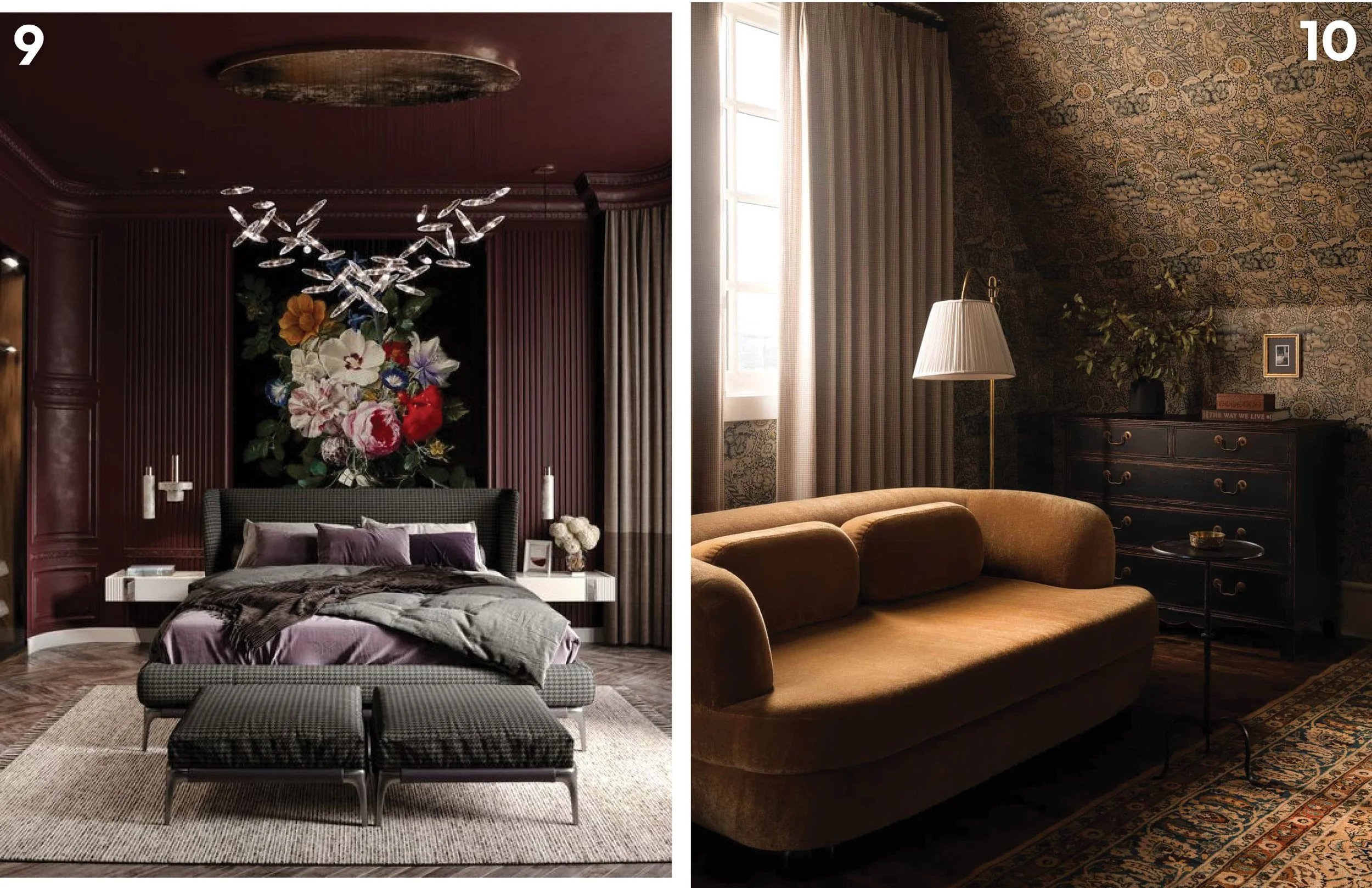
These spaces demonstrate how motorized window treatments can be integrated into a variety of design styles without disrupting the overall aesthetic. Full-height drapery panels soften natural light while maintaining clean lines and a refined appearance. Studio Nine Interiors often incorporates smart window treatment solutions into projects where convenience, privacy, and ease of use are priorities. Motorized systems allow homeowners to adjust multiple window coverings simultaneously, create scheduled routines, and integrate treatments with existing smart home platforms. This functionality is especially beneficial for large windows, tall ceilings, primary suites, and rooms that experience changing light conditions throughout the day. Whether used in dramatic contemporary interiors or richly layered traditional spaces, motorized window treatments provide a balance of beauty and performance. The result is a home that feels elegant, comfortable, and easier to live in every day while supporting long-term functionality and modern lifestyle needs.
Motorization and Smart Home Integration
Motorized window treatments have become increasingly common because they simplify daily living while preserving clean visual lines. They can be programmed to open and close based on schedules, lighting conditions, or homeowner preferences.
Motorization is particularly beneficial for hard-to-reach windows, expansive glass walls, and rooms with multiple treatment layers. It also allows homeowners to adjust privacy and light control without disrupting the overall experience of the room.
When integrated properly, technology remains secondary to the design itself. The focus stays on comfort and simplicity rather than on the mechanics behind the system.
Designing Technology to Remain Invisible
Smart home features should feel intuitive rather than intrusive. Motorized systems can be concealed within architectural details or integrated discreetly so they support the design without becoming a focal point.
Motorized solutions are especially beneficial for primary suites, great rooms, home offices, and homes with oversized or hard-to-reach windows that are used throughout the day.
The most successful implementations often go unnoticed because they simply make daily life easier.
Planning these systems early allows electrical requirements, mounting details, and integration opportunities to be addressed before installation begins.
This living room illustrates how window treatments contribute to a home's acoustic comfort while supporting the overall design aesthetic. Soft drapery panels paired with woven shades introduce additional layers of fabric that help absorb sound and reduce unwanted echoes created by hard surfaces such as glass, wood flooring, and painted walls. Studio Nine Interiors often considers acoustics when selecting window treatments, particularly in open concept homes and frequently used gathering spaces. Combining fabrics with upholstered furnishings, area rugs, and layered textures creates a more balanced sound environment that feels calm and inviting. While homeowners often focus on privacy and light control, acoustic performance can have an equally significant impact on everyday comfort. Thoughtfully selected window treatments help create spaces that feel quieter, warmer, and more enjoyable to spend time in while maintaining a cohesive and timeless design throughout the home.
Acoustic Benefits That Are Often Overlooked
Many homeowners are surprised to learn that window treatments can significantly improve a room's acoustics. Hard surfaces such as glass, stone, hardwood flooring, and expansive ceilings can create sound reflection that makes rooms feel louder than intended.
Fabric treatments help absorb sound waves, reducing echo and creating a softer environment. While they are not a substitute for dedicated acoustic design, they contribute meaningfully to overall comfort.
This benefit becomes especially noticeable in large gathering spaces, rooms with vaulted ceilings, and homes that prioritize open concept layouts.
Softening Large Spaces
Rooms with extensive glass often benefit the most from thoughtfully layered treatments. The added texture and softness help balance hard surfaces while improving the overall sensory experience of the room.
When combined with rugs, upholstery, and other textiles, window treatments contribute to spaces that feel more comfortable and inviting without requiring dramatic structural changes throughout the home.
These subtle improvements often become some of the most appreciated long-term benefits of investing in custom solutions, especially when incorporated into a broader design plan that aligns with overall design investment expectations.

Matching Window Treatments to Different Window Styles
Every window presents a unique opportunity.
While consistency throughout a home is important, not every window should be treated identically. Window size, shape, orientation, and architectural detailing all influence which treatments will function best while maintaining visual harmony.
Thoughtful customization allows window treatments to support both aesthetics and functionality. Rather than forcing one solution into every room, each treatment can respond to how that specific space is used while still contributing to a cohesive whole-home design language.
This flexibility is especially valuable in custom homes, full-scale renovations, and older homes where window sizes and proportions may vary significantly from room to room.
Picture Windows
Picture windows often serve as focal points that frame outdoor views. Minimal treatments such as tailored shades or stationary panels preserve sightlines while still offering privacy and light control when needed.
Bay Windows
Bay windows require careful planning because of their angles and depth. Individual treatments may be installed within each opening, while continuous drapery can soften the overall composition and visually connect the entire area.
Floor-to-Ceiling Windows
Tall expanses of glass benefit from full-height drapery that emphasizes verticality and creates a sense of grandeur without overpowering the room.
Arched and Specialty Windows
Arched windows often benefit from preserving the architectural shape. Depending on privacy requirements, treatments can be installed below the arch while allowing the upper portion to remain visible.
Corner Windows
Corner windows introduce additional challenges because treatments must account for intersecting walls while maintaining unobstructed views and smooth operation.
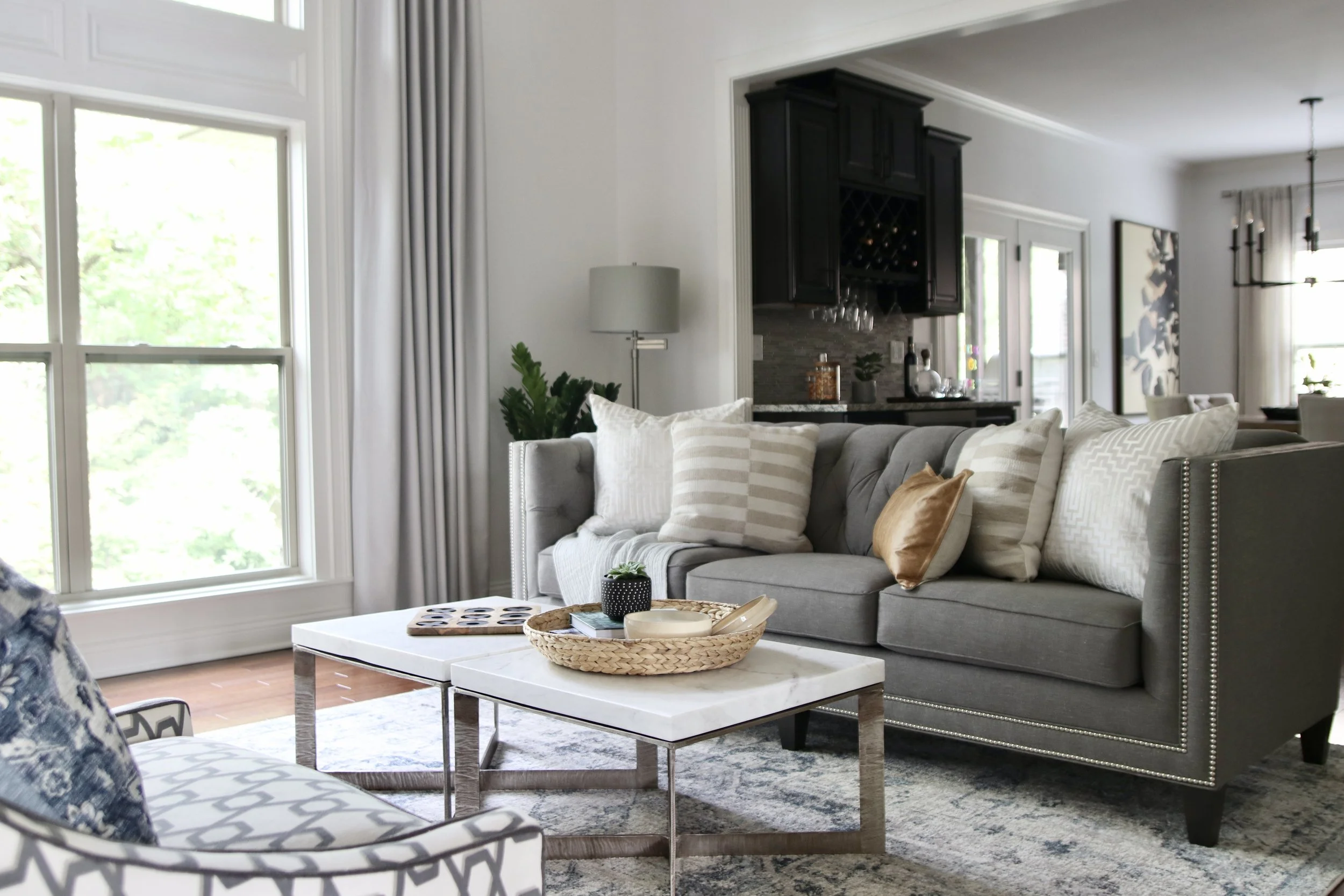
This living room illustrates how thoughtful window treatment selections can prevent many of the common mistakes that disrupt a room's overall appearance. Window treatments that are installed too low, too narrow, or cut off at the sill can unintentionally make ceilings feel shorter and windows appear smaller. Studio Nine Interiors carefully considers window dimensions, furniture placement, and architectural proportions when specifying custom drapery solutions. Floor-to-ceiling panels elongate the walls, frame the natural light, and create visual softness without overwhelming the room. The neutral fabric palette integrates seamlessly with layered furnishings, textures, and finishes throughout the open living area. Well-planned window treatments are more than decorative additions; they are an essential design element that contributes to functionality, comfort, and a cohesive aesthetic throughout the home.
Common Window Treatment Mistakes That Affect a Room
Even beautifully furnished spaces can feel unfinished when window treatments are improperly planned. Many of the most common mistakes are subtle, but they can significantly impact the overall experience of a room.
Hanging Rods Too Low
Mounting hardware directly above the window frame can visually shorten ceilings. Raising drapery closer to the ceiling creates a taller, more expansive appearance.
Using Panels That Are Too Short
Drapery that stops above the floor often feels incomplete. Proper lengths create a more tailored and intentional look.
Choosing Every Room Independently
Rooms should feel connected without becoming repetitive. Selecting treatments without considering the entire home can create visual inconsistency.
Ignoring Privacy Needs
Many homeowners prioritize daylight but forget to consider how spaces function after sunset. Layered solutions often provide the best balance.
Selecting Fabric in Isolation
Fabric should be chosen alongside flooring, upholstery, paint colors, and lighting rather than separately.
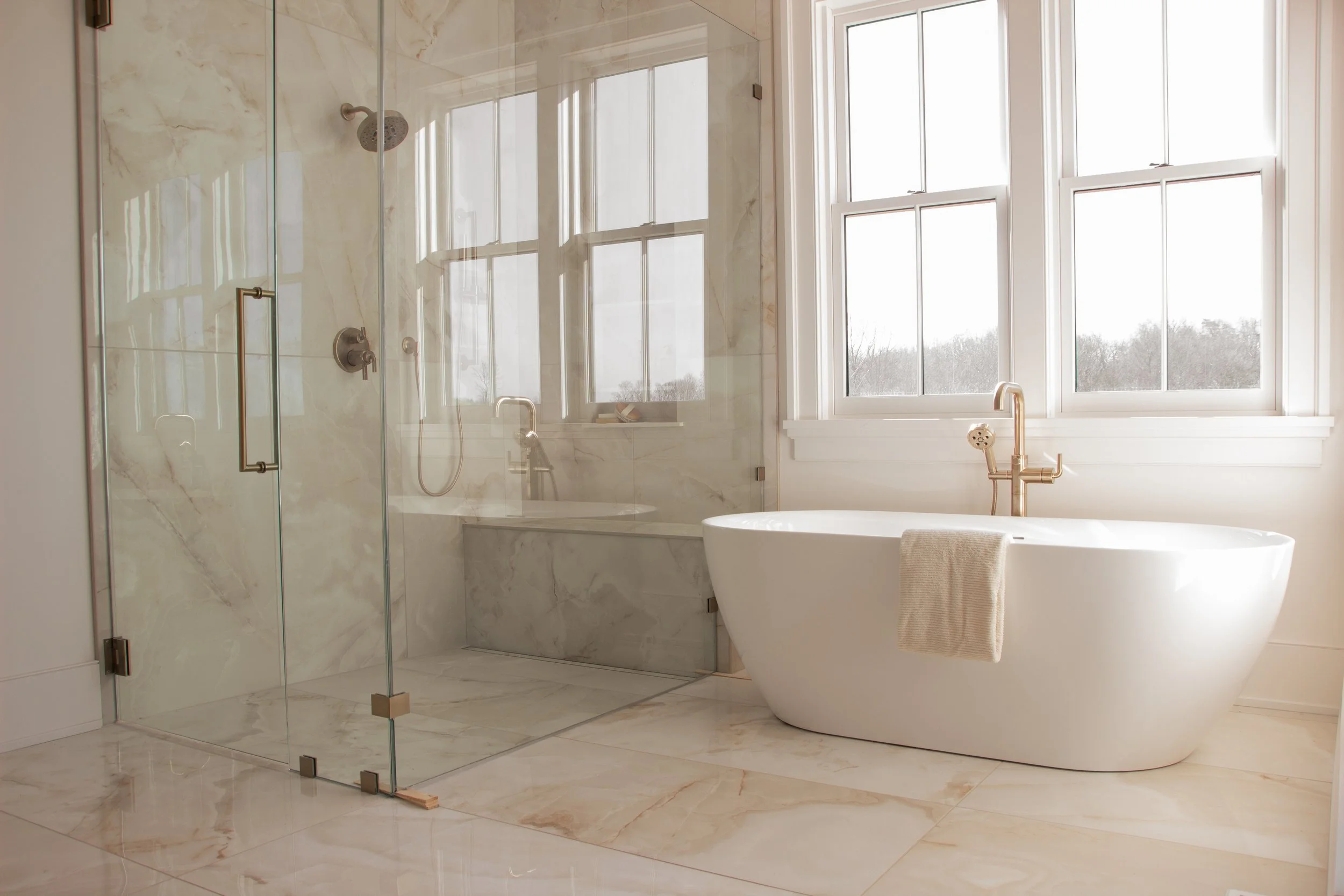
This bathroom illustrates Studio Nine Interiors' holistic approach to window treatments by showing how they are integrated into the overall design process rather than selected as a final decorative layer. Window placement, natural light exposure, privacy requirements, and architectural details are evaluated alongside materials, plumbing fixtures, and room functionality to create a balanced environment. Large windows surrounding the freestanding tub maximize daylight while preserving the opportunity for carefully tailored treatment solutions that complement the clean lines and serene atmosphere of the space. By considering how every element interacts together, Studio Nine Interiors designs window treatments that enhance comfort, improve functionality, and support the overall vision of the home. This intentional process ensures each room feels cohesive, timeless, and thoughtfully curated from every angle.
The Studio Nine Interiors Approach to Window Treatments
At Studio Nine Interiors, window treatments are integrated into the larger design conversation rather than treated as a final decorative step. Every decision is evaluated through the lens of how homeowners live, how rooms function, and how spaces connect throughout the home.
Our team evaluates natural light patterns, room orientation, furniture layouts, architectural details, and existing materials before recommending solutions. This process creates homes that feel intentional from every angle while remaining practical for daily life.
Whether working on a full-scale renovation, new construction project, or furnishing update, this holistic approach allows window treatments to quietly support every other design decision.
Learn more about our full-service interior design services and how thoughtful planning creates cohesive, timeless interiors.
Throughout Louisville and surrounding communities, Studio Nine Interiors helps homeowners integrate custom window treatments into new construction homes, full-scale renovations, and thoughtfully furnished interiors.
Design Decisions That Are Evaluated Early
Natural light throughout the day
Ceiling height and room proportions
Furniture placement and circulation
Privacy requirements
Fabric durability
Motorization opportunities
Architectural detailing
Whole-home continuity
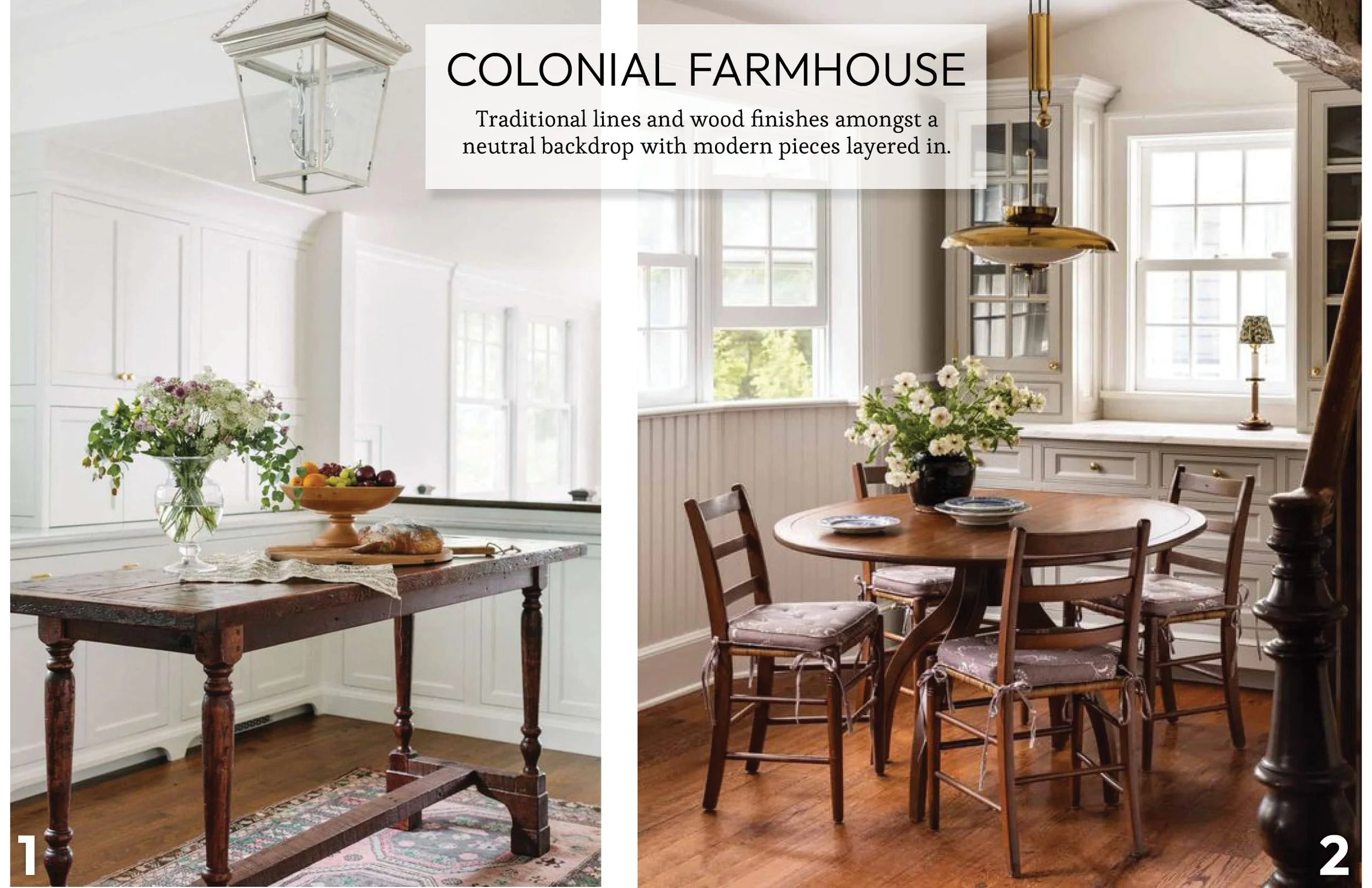
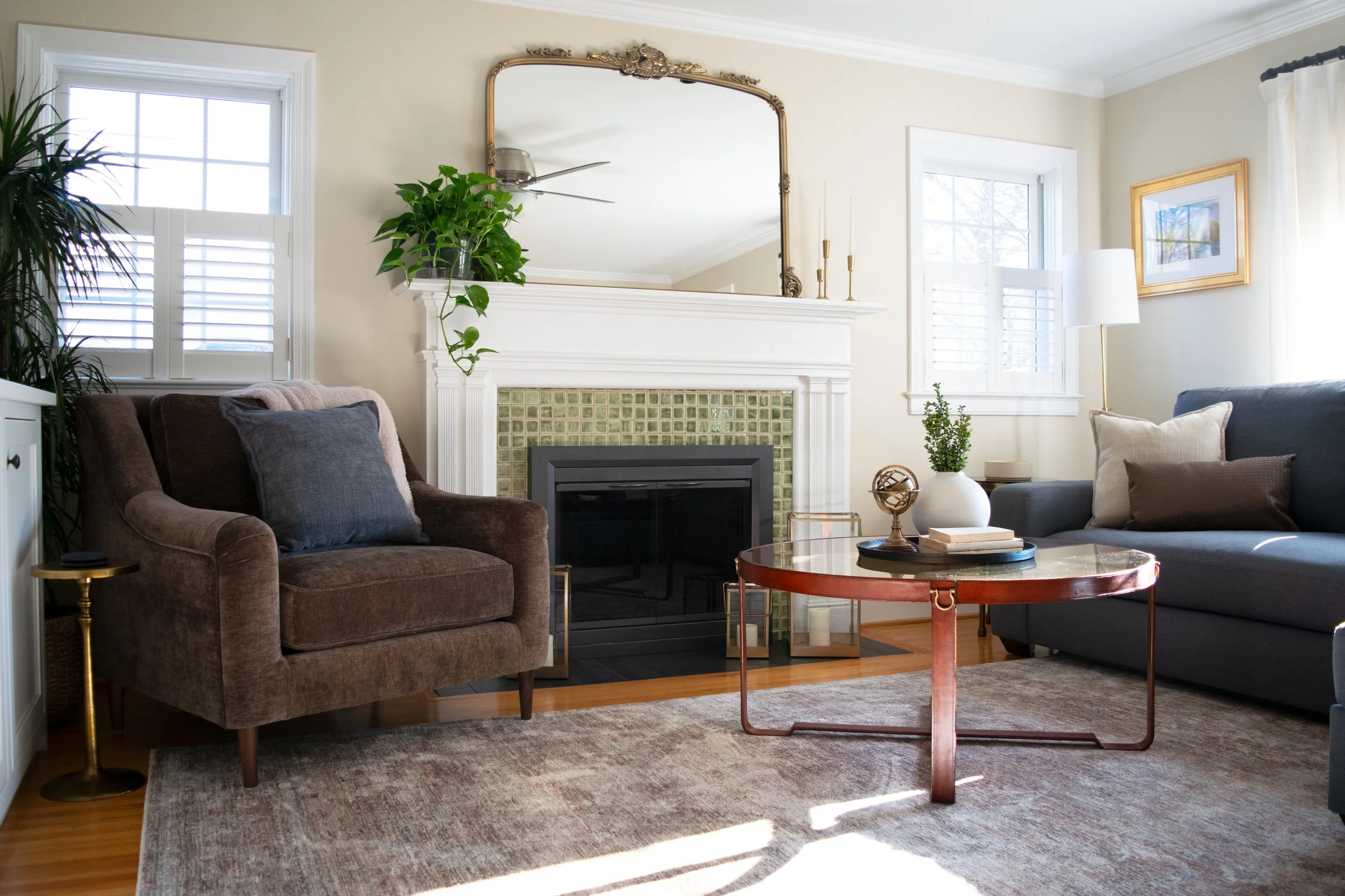
This image illustrates how intentional window treatment selections help create spaces that feel timeless, functional, and connected to a home's architectural style. Inspired by a colonial farmhouse aesthetic, the rooms blend traditional wood furnishings, layered textures, and neutral finishes that can easily evolve over time without feeling trend driven. Studio Nine Interiors approaches window treatments as an essential component of the overall design plan, carefully considering natural light, privacy, furniture placement, and the character of each room. Thoughtfully selected drapery, shades, and hardware can soften architectural lines while adding warmth and visual continuity throughout the home. Rather than treating window coverings as an afterthought, Studio Nine Interiors integrates them into the design process to create spaces that remain beautiful, practical, and adaptable for years to come.
Creating Window Treatments That Feel Intentional, Timeless, and Functional
The best window treatments rarely announce themselves. Instead, they quietly support every other design decision while allowing the home to function beautifully throughout changing seasons and evolving routines.
Timeless solutions prioritize quality materials, thoughtful proportions, and adaptability over trends. By investing in treatments that respond to how a home is used, homeowners create spaces that continue to feel comfortable and relevant for years to come.
Whether creating a new home from the ground up or updating existing spaces, planning window treatments as part of a larger design strategy produces a more cohesive and rewarding outcome.
Browse our portfolio, learn more about our team, or contact Studio Nine Interiors to begin planning spaces that balance beauty, functionality, and long-term livability.
Frequently Asked Questions About Custom Window Treatments
Custom window treatments influence far more than appearance. These answers address common questions homeowners ask when planning new construction projects, full-scale renovations, and whole-home interior updates.
Are custom window treatments worth the investment?
Yes. Custom window treatments provide better fit, improved functionality, higher quality materials, and stronger visual integration with the home's architecture and furnishings.
What is the difference between curtains and drapes?
Drapes are typically more structured and often lined, while curtains tend to be lighter and more casual. Both can be customized to support different design goals.
Should every room have matching window treatments?
No. Rooms should feel cohesive, but each space should respond to its own lighting, privacy, and functional requirements.
Are motorized shades worth considering?
Motorized shades are especially beneficial for large windows, hard-to-reach areas, and homeowners who want convenient daily operation.
Which rooms benefit most from blackout treatments?
Primary bedrooms, nurseries, guest rooms, and media rooms often benefit the most from blackout functionality.
Can window treatments improve energy efficiency?
Yes. Properly selected materials can help reduce heat gain during summer and improve insulation during colder months.
How high should drapery be installed?
Mounting drapery closer to the ceiling often creates a taller and more expansive appearance.
What fabrics work best for long-term durability?
Linen blends, performance fabrics, wool blends, and high-quality woven materials often provide durability while maintaining timeless appeal.
Can window treatments reduce glare in home offices?
Yes. Tailored shades and layered treatments can significantly improve screen visibility and overall comfort.
How often should window treatments be updated?
High-quality custom treatments can last many years. Updates are typically driven by renovations, changes in lifestyle, or broader home refreshes.
When should window treatments be planned?
Ideally during the early design phase of a project. Early planning allows electrical requirements, furniture layouts, and architectural details to be coordinated.
Do window treatments increase home value?
While they may not directly increase appraised value, professionally designed window treatments contribute to a more polished, functional, and desirable living environment.
How do custom window treatments support a home's overall interior design?
Custom window treatments help create continuity between architectural details, furnishings, lighting, and material selections. When planned alongside the overall design, they reinforce proportion, soften transitions between spaces, and create a more cohesive environment throughout the home.
Are custom window treatments beneficial during a full-scale renovation?
Yes. Full-scale renovations present an ideal opportunity to plan window treatments early because electrical requirements, furniture layouts, and architectural details can be coordinated before installation. This proactive approach often produces cleaner and more intentional results.
What window treatments work best for open concept homes?
Open concept homes often benefit from layered solutions that create consistency while allowing each room to respond to its own functional needs. Similar materials, coordinated hardware, and complementary fabrics help establish continuity without making every space feel identical.
Should window treatments be selected before furniture?
Ideally, window treatments and furniture selections should be planned together. Coordinating these decisions early helps ensure proper proportions, balanced color palettes, and layouts that support both comfort and functionality.
How can window treatments make ceilings appear taller?
Installing drapery closer to the ceiling rather than directly above the window frame creates a stronger vertical line that visually elongates walls and makes ceilings appear taller. Proper panel width and fullness also contribute to a more expansive appearance.
What window treatments work best for rooms with a lot of natural light?
Rooms with abundant natural light often benefit from layered treatments such as sheers paired with drapery or woven shades. These combinations allow homeowners to soften glare while maintaining brightness and preserving outdoor views.
Are window treatments important for new construction homes?
Yes. Planning window treatments during new construction allows homeowners to coordinate electrical needs, hardware placement, ceiling details, and furniture layouts before installation. Early planning often creates a more seamless finished result.
How do window treatments contribute to comfort throughout the year?
Window treatments help regulate sunlight, improve privacy, soften acoustics, and reduce heat gain during warmer months. During colder seasons, they can also provide an additional layer of insulation that supports year-round comfort.
What should homeowners consider before choosing window treatment fabrics?
Homeowners should consider natural light exposure, durability, room function, maintenance requirements, privacy needs, and how fabrics coordinate with flooring, paint colors, upholstery, and other materials throughout the home.
Can custom window treatments adapt as a home changes over time?
Yes. Thoughtfully selected window treatments are designed to support changing routines and evolving lifestyles. High-quality materials and timeless designs allow them to remain functional and visually relevant for many years.
Do window treatments work in modern, traditional, and transitional homes?
Absolutely. Window treatments can be tailored to complement nearly any design style. The key is selecting fabrics, hardware, and mounting strategies that support the home's architecture while maintaining balance and functionality.
Why is professional guidance helpful when selecting window treatments?
Professional guidance helps homeowners avoid common mistakes involving scale, mounting height, fabric selection, and room coordination. Working with an interior designer ensures window treatments integrate naturally with the broader design plan and support long-term livability.
A Thoughtful Approach to Window Treatments Starts with the Entire Home
At Studio Nine Interiors, window treatments are considered one piece of a larger design story. Every decision is evaluated alongside architectural details, furnishings, color palettes, lighting, and how the home will be used every day.
Whether planning a new construction project, navigating a full-scale renovation, or updating existing interiors, our team helps create solutions that feel intentional rather than added at the end of the process.
By integrating these decisions early, homeowners can avoid common mistakes while creating interiors that feel cohesive from room to room, whether working on a new build, renovation, or furnishing project similar to those featured throughout our Homearama projects.
Explore our portfolio, learn more about Studio Nine Interiors, or review our full-service interior design services to see how thoughtful planning creates homes that balance beauty, functionality, and long-term livability.
Designing Homes That Feel Comfortable Today and Adapt Tomorrow
Great design supports both present needs and future changes. Window treatments may seem like a small decision compared to flooring, cabinetry, or furnishings, but they influence how a home feels and functions every single day.
Thoughtfully planned solutions help regulate natural light, improve privacy, soften architectural lines, and support the overall experience of a room without drawing unnecessary attention to themselves. When coordinated with lighting plans, furniture layouts, and material selections, they become an integral part of the home rather than a decorative addition.
Homes naturally evolve over time. Daily routines change, families grow, and spaces may serve new purposes. Window treatments that prioritize flexibility, durability, and timeless design can continue to support those changes without requiring complete replacement every few years.
By investing in intentional planning early, homeowners create spaces that remain functional, comfortable, and visually balanced for years to come.