
Small Living Room, Big Presence: Design Decisions That Make Compact Spaces Feel Collected
Small Living Room, Big Presence: A Refined Approach to Compact Space
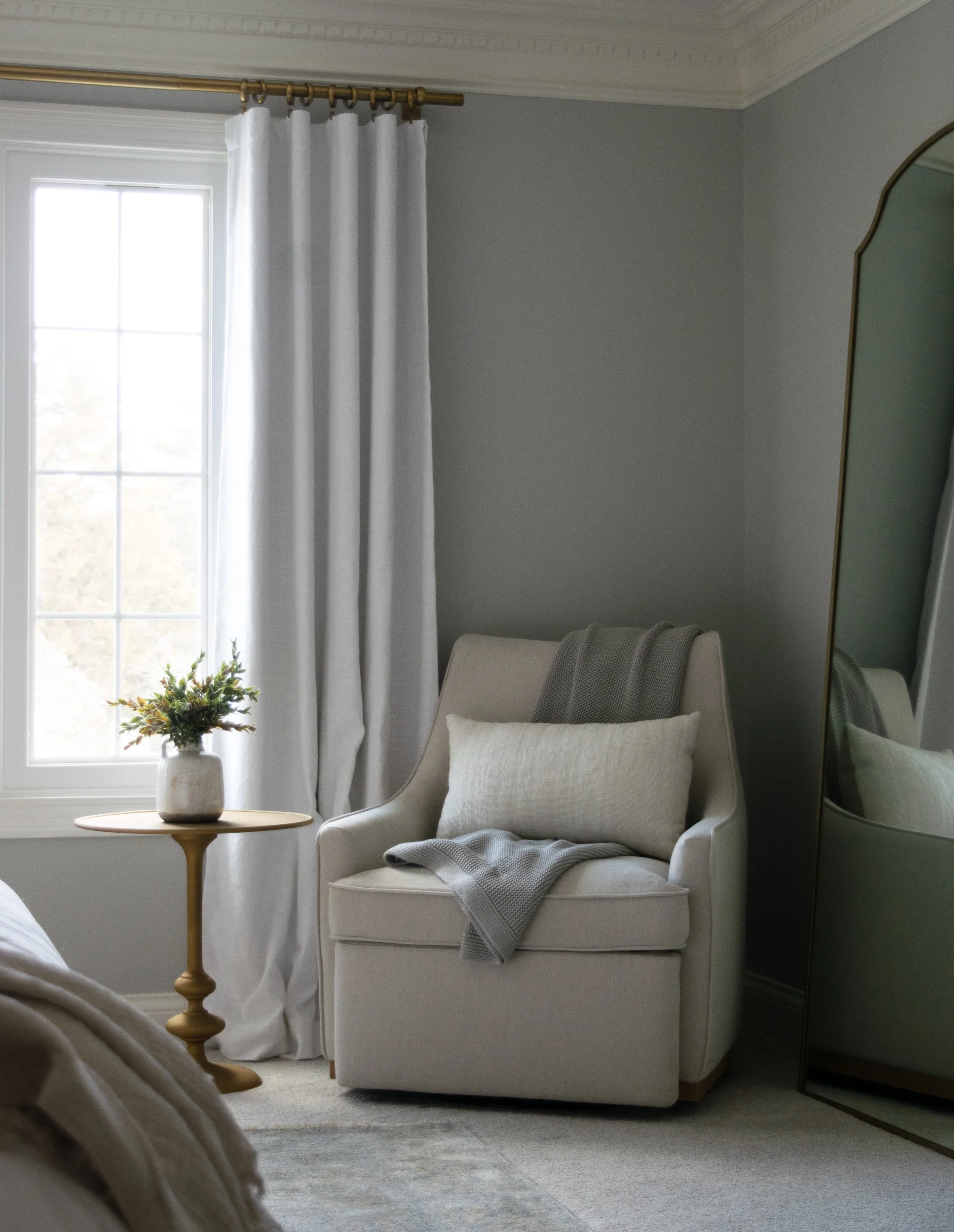
A small living room should never feel like a compromise. The most successful compact spaces are approached with the same level of planning, refinement, and intentionality as larger rooms. Strong design in a smaller footprint comes from thoughtful editing, balanced proportions, and a clear understanding of how the space needs to function every day. When layout, materials, furniture scale, and lighting are considered together, a compact living room can feel calm, collected, and highly livable rather than crowded or temporary.
At Studio Nine Interiors, smaller living rooms are viewed as an opportunity to create sharper, more intentional design decisions. Limited square footage places greater importance on every piece selected, every pathway created, and every material introduced into the room. The goal is not relying on gimmicks or overly clever furniture solutions, but creating a space that feels elevated, functional, and comfortable in a way that lasts over time. This approach can be seen throughout the studio’s completed projects, where restraint and thoughtful planning allow compact rooms to feel layered and refined without becoming visually heavy.
Prioritize Scale Before Anything Else
Scale is often the defining factor in whether a small living room feels comfortable or constrained. Many compact rooms feel overcrowded not because of the square footage itself, but because the furniture selected is too deep, too bulky, or visually too heavy for the proportions of the space. Choosing furniture with slimmer profiles, more intentional dimensions, and lighter visual presence immediately changes how open the room feels.
A sofa with narrower arms, slightly elevated legs, or a shallower depth can provide the same functionality while allowing more visual breathing room. The same principle applies to chairs and accent seating. Compact silhouettes with balanced proportions often feel significantly more refined than oversized recliner-style furniture, even when comfort remains a priority.
Sightlines play an equally important role. When the eye can move naturally around and beneath furniture, the room feels lighter and more expansive. This does not mean the space needs to feel sparse or minimalist. Instead, it means every piece should feel appropriately scaled and intentionally placed. The strongest compact living rooms feel cohesive because the furniture appears designed specifically for the room rather than forced into it afterward.
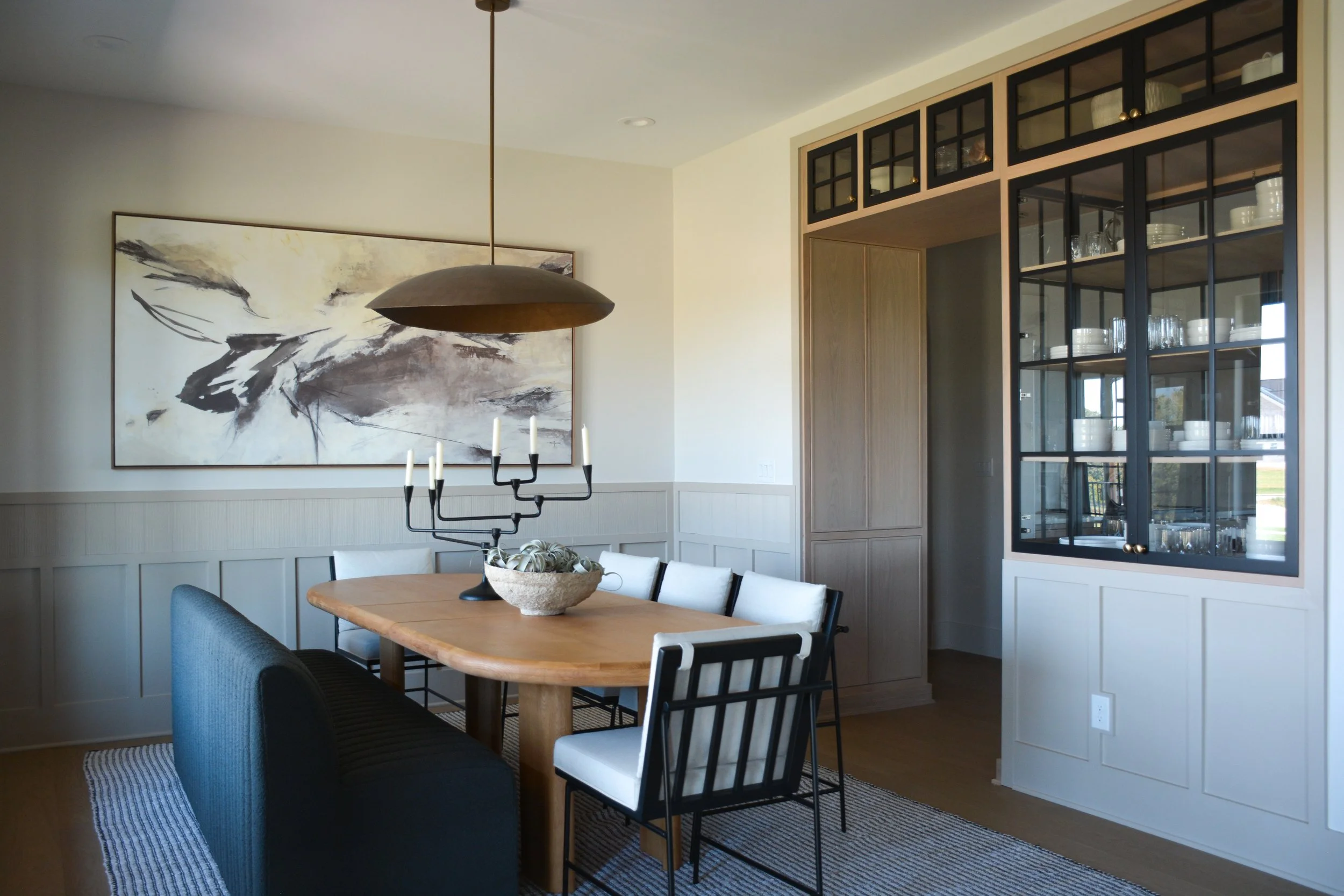
Keep Visual Weight Balanced Throughout the Room
Visual weight has less to do with the actual size of a piece and more to do with how much presence it carries within the room. In compact living spaces, overly bulky furniture, dark oversized forms, or low-profile pieces with heavy bases can make the room feel compressed very quickly. The goal is not eliminating character or comfort, but balancing larger elements with lighter details that allow the space to feel more open and breathable.
Furniture with elevated legs, slimmer profiles, rounded edges, and more visible floor space underneath often helps a room feel visually lighter without sacrificing warmth or sophistication. Even subtle adjustments in proportion can significantly change how spacious a compact room feels.
Balance substantial pieces with restraint
A room can still incorporate richer tones, sculptural seating, or substantial anchor pieces, but they need supporting elements that soften the overall composition. For example, a deeper-toned sofa may feel balanced when paired with lighter accent chairs, an open-base coffee table, or softer layered textures throughout the room. Without that balance, smaller spaces can begin to feel crowded even when the furniture technically fits.
Visual weight should also be considered collectively rather than piece by piece. Furniture that works individually may still overwhelm the room once everything is placed together. This is where a more intentional, studio-led approach becomes valuable. Planning the room as a complete composition allows proportion, circulation, lighting, and scale to work together instead of competing for attention.
This type of coordination is central to Studio Nine’s interior design services, particularly in smaller living spaces where every furniture decision has a noticeable impact on how the room feels and functions.
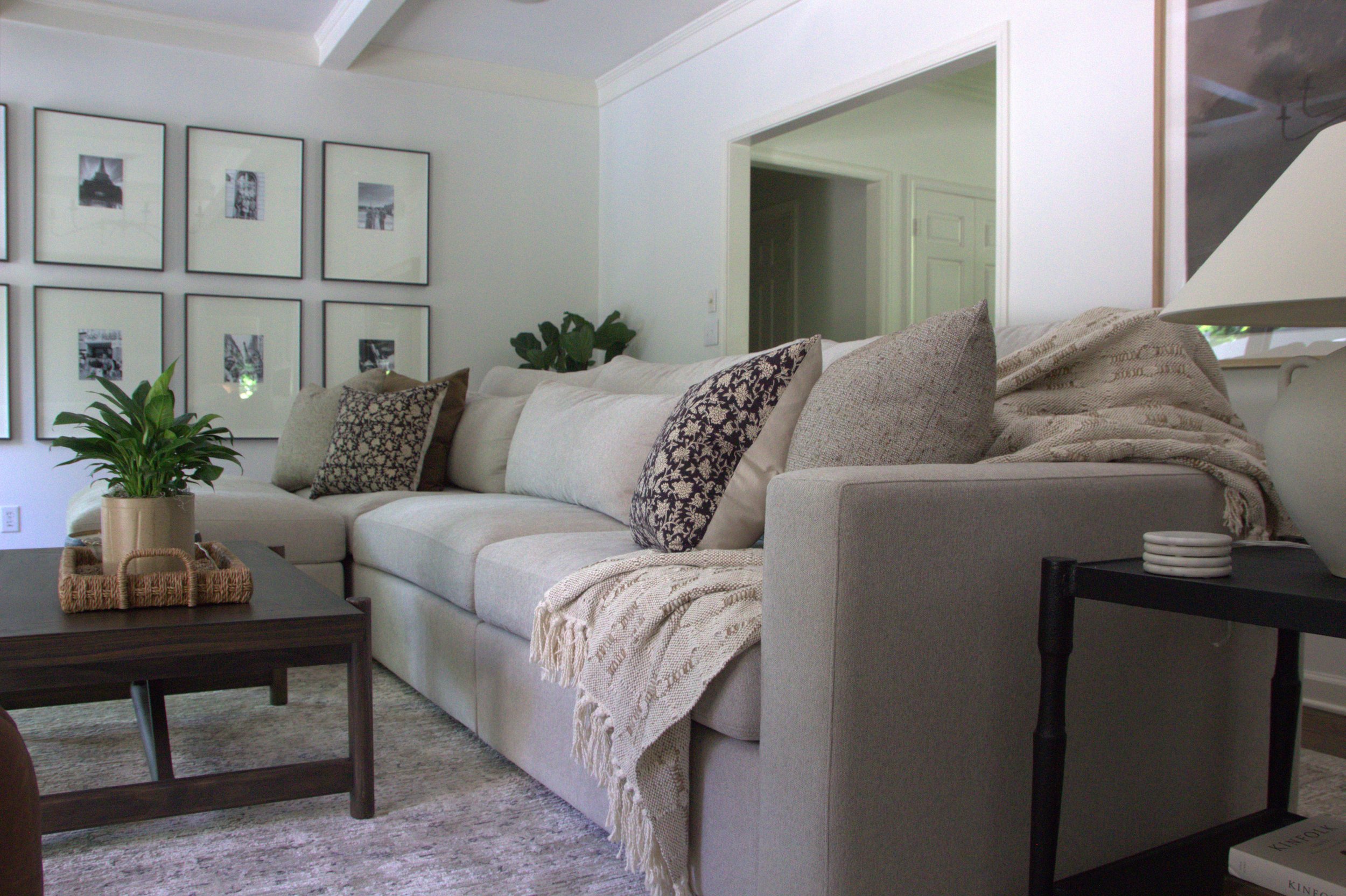
Multi-Functional Furniture That Still Feels Refined
In a small living room, furniture often needs to serve more than one purpose. The challenge is selecting pieces that add flexibility without making the room feel overly practical or temporary. The best multifunctional furniture blends naturally into the design, supporting everyday use while still feeling intentional, comfortable, and visually grounded.
A coffee table with concealed storage, an ottoman that doubles as seating, or a console that provides both display and utility can all improve how the room functions without adding unnecessary visual weight. These pieces work best when their proportions, materials, and silhouettes feel consistent with the rest of the space rather than calling attention to their secondary function.
Practical pieces should still contribute to the design
Compact living rooms benefit from furniture that adapts easily, but flexibility should never come at the expense of comfort or aesthetics. Nesting tables can provide additional surface space when entertaining while remaining compact day to day. Upholstered ottomans often work more naturally than bulky accent chairs because they soften the room visually while still offering extra seating when needed.
Sleeper sofas can also be effective in smaller homes or multi-purpose rooms, but comfort, scale, and material selection should remain the priority. A well-designed sleeper should still feel like a permanent part of the room rather than a compromise built only around occasional guests.
Choose Furniture That Supports Flow
Multifunctional furniture should improve circulation rather than compete with it. Slim consoles, rounded edges, movable stools, and lighter-profile seating often allow a compact room to feel more open while still supporting practical daily use. The goal is creating flexibility without overcrowding the layout or interrupting movement through the space.
When these pieces are selected thoughtfully and considered as part of the full room composition, they feel integrated rather than improvised. This approach allows compact living rooms to remain functional, adaptable, and visually calm without sacrificing comfort or refinement.
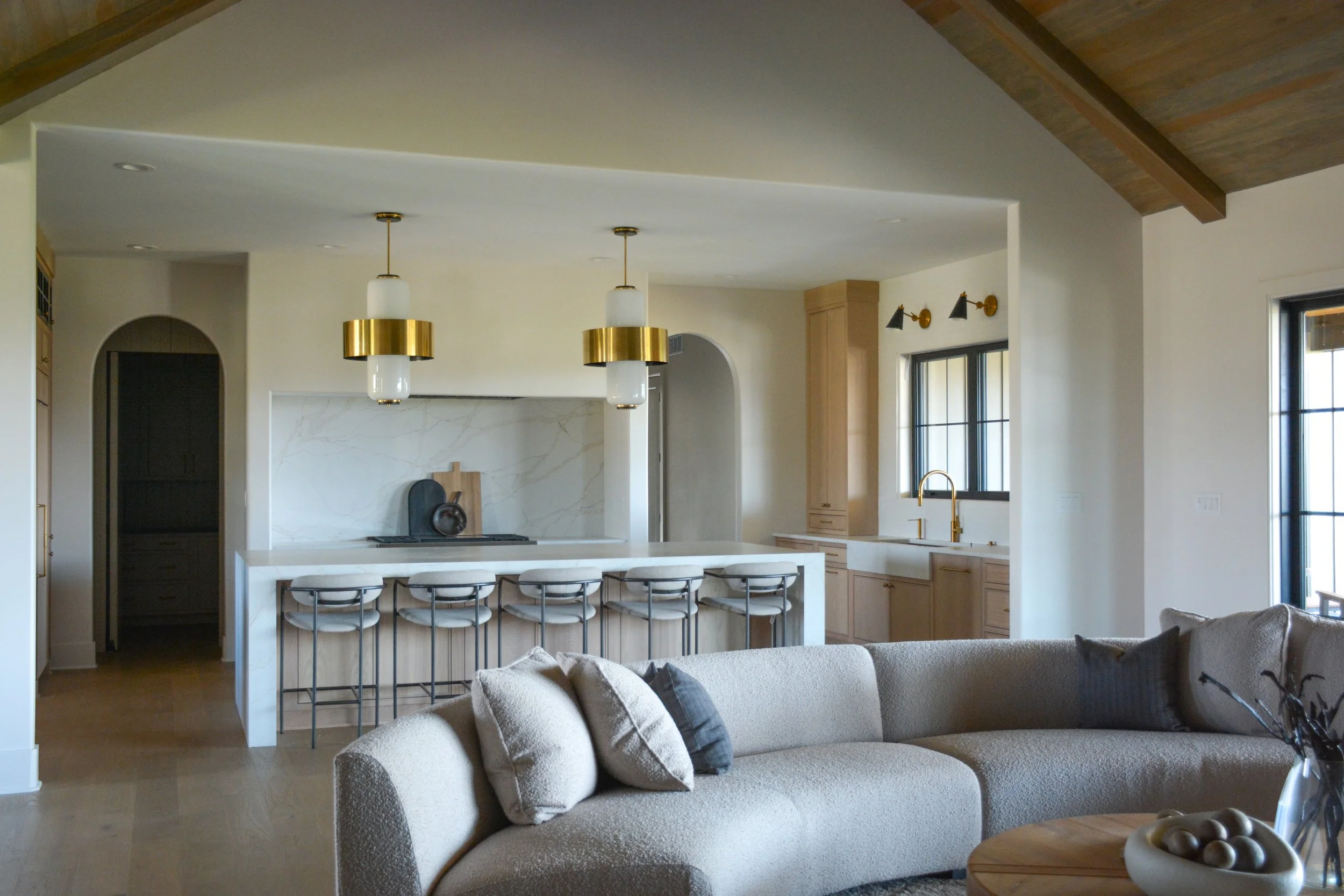
Build Flexibility Into How the Room Functions
Small living rooms often need to support multiple types of use throughout the week. The same space may shift between quiet evenings, casual entertaining, family gatherings, remote work, or accommodating overnight guests. Designing for flexibility does not mean overcrowding the room with additional furniture. Instead, it involves selecting pieces that adapt easily while maintaining the overall balance and openness of the space.
Movable accent stools, nesting tables, ottomans with hidden storage, and lightweight seating can all provide additional function without permanently occupying valuable floor space. These pieces allow the room to adjust naturally when needed while preserving comfort and circulation during everyday use.
Flexible design should still feel intentional
A flexible room should never feel temporary or improvised. When furniture is selected thoughtfully and planned as part of the overall composition, even practical solutions contribute to the design rather than distracting from it. An ottoman can serve as additional seating, a coffee table alternative, or concealed storage while still reinforcing the room’s material palette and proportions.
This is one reason Studio Nine approaches living rooms as complete environments rather than a collection of individual purchases. When layout, scale, finishes, and functionality are considered together from the beginning, the room feels cohesive and refined even as it adapts to changing needs. That balance between flexibility and visual restraint is reflected throughout the studio’s portfolio, where functional spaces still maintain a collected, elevated atmosphere.
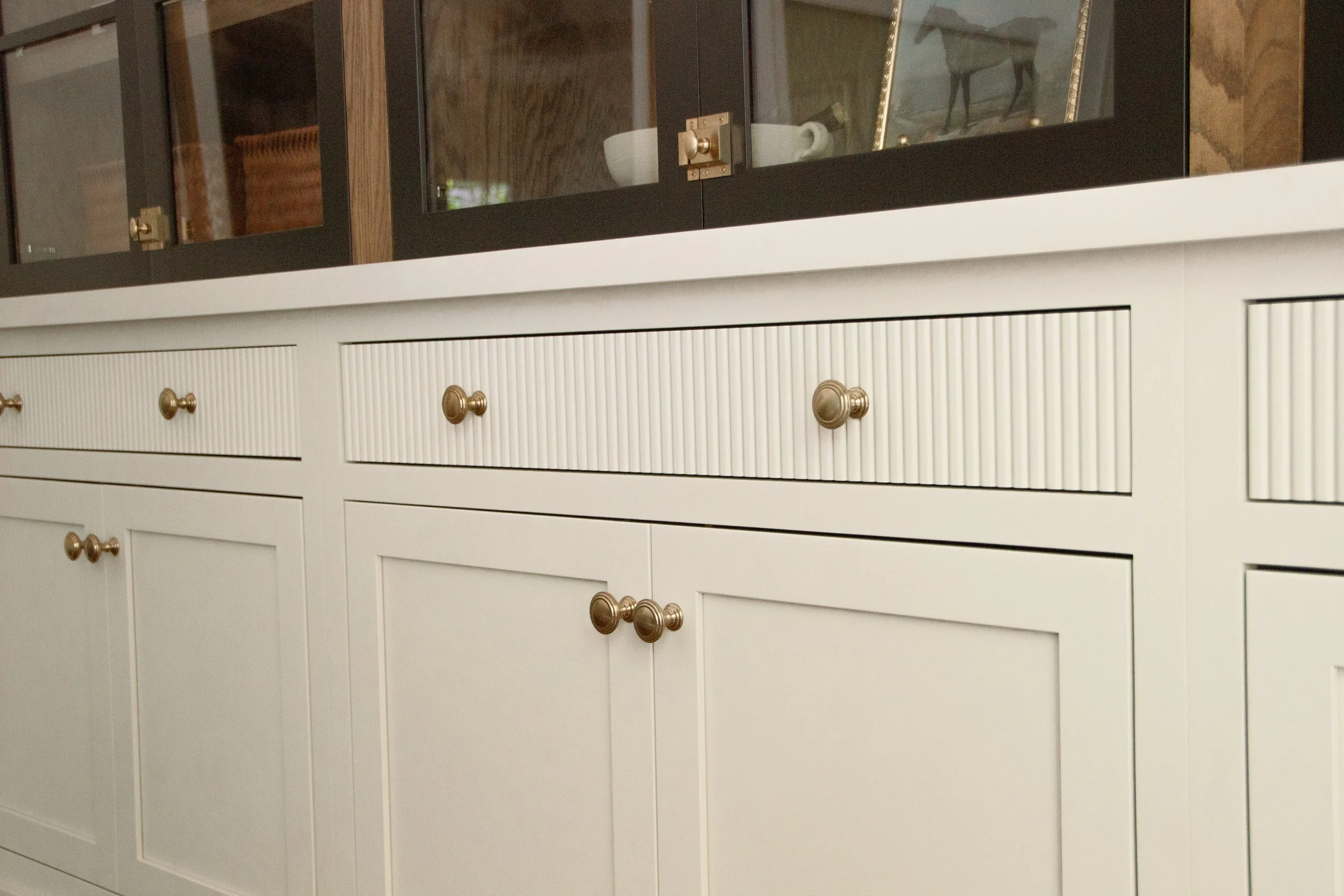
Storage That Feels Integrated, Not Added Later
Storage has a direct impact on how calm and functional a small living room feels. Even well-designed spaces begin to feel crowded when everyday items accumulate across surfaces or when storage solutions appear temporary and disconnected from the room itself. The most effective approach is storage that feels integrated into the architecture — intentional, understated, and designed to support daily living without drawing attention to itself.
Closed cabinetry, concealed drawers, built-in shelving, and furniture with hidden storage all help maintain visual clarity while still supporting real use. In compact living rooms, this becomes even more important when the space also functions as an entry area, workspace, family room, or multi-purpose gathering zone.
Prioritize concealed storage over visual clutter
Open shelving can work selectively, but too much visible storage often creates unnecessary visual noise in smaller rooms. A better approach is incorporating pieces that quietly absorb daily essentials while maintaining a clean overall composition. Media consoles with drawers, built-ins painted to match the wall color, storage ottomans, and furniture with integrated compartments all contribute to a more composed environment.
When storage is planned thoughtfully, the room immediately feels more expansive because the eye is not constantly interrupted by clutter or mismatched organizational pieces. The result feels calmer, more refined, and easier to maintain over time.
Design Around Real Daily Habits
The strongest storage plans begin with how people actually live. Remote controls, chargers, blankets, work bags, mail, children’s items, pet accessories, and everyday technology all need a designated place. Ignoring these realities often leads to spaces that look polished initially but quickly become difficult to maintain.
Good interior design accounts for these habits early so the room functions naturally without requiring constant cleanup. Hidden charging drawers, concealed office storage, integrated drop zones, and flexible cabinetry allow the living room to support everyday routines while still feeling elevated and intentional.
This type of planning also creates long-term flexibility. A small living room that incorporates purposeful storage from the beginning can adapt more easily as needs shift over time, helping the space remain functional, organized, and visually balanced well into the future.
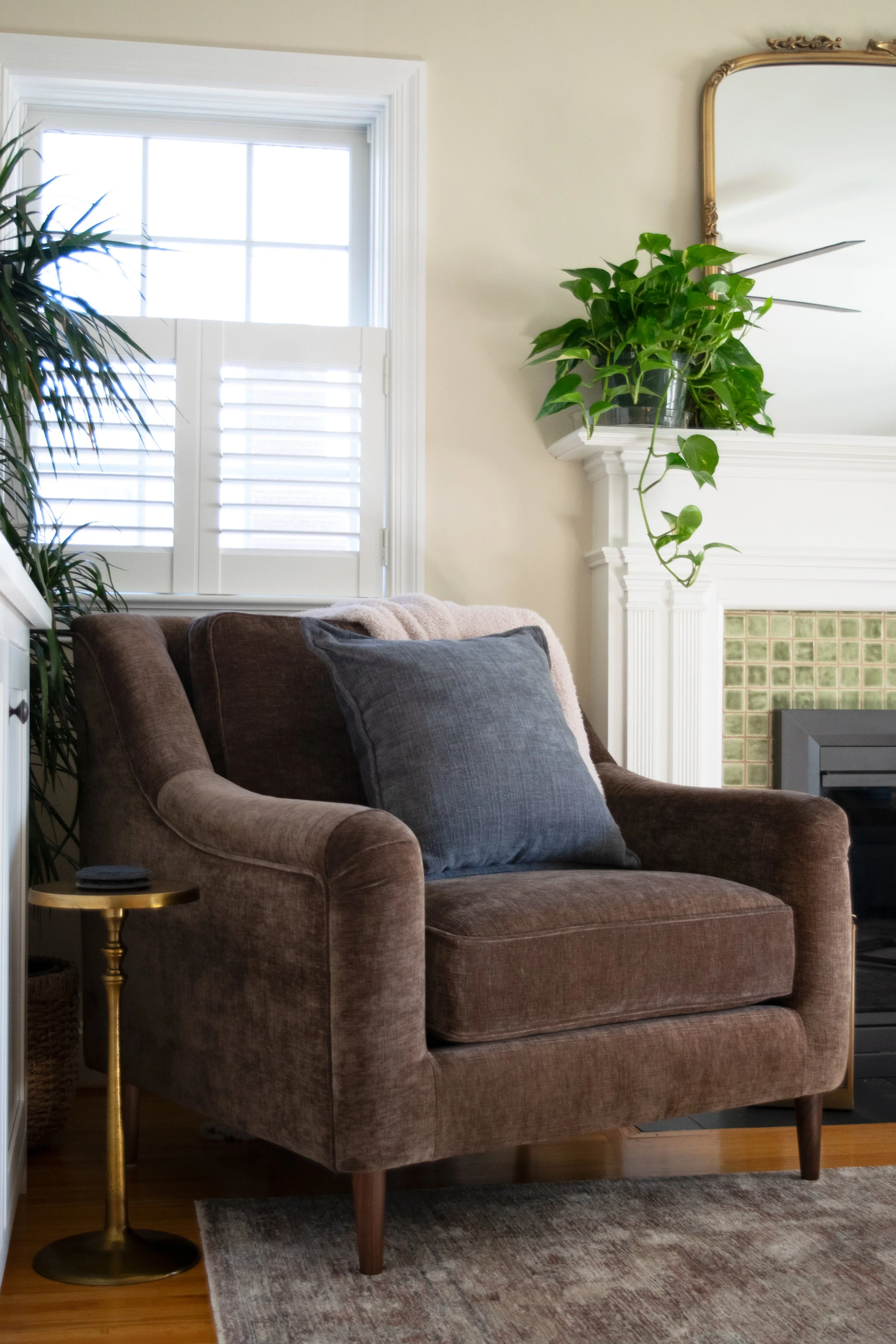
Color: Creating Depth Without Overwhelming the Room
Color has a significant impact on how a small living room feels, but the goal is not simply making the room lighter. A refined palette uses contrast, warmth, and tonal balance to create openness while still giving the space character. Soft neutrals, layered whites, muted earth tones, and warm stone-inspired hues can make a compact room feel expansive without becoming flat or sterile. The most successful spaces rely on cohesion and restraint rather than a single dominating color choice.
An all-white room is not always the answer. Without texture or tonal variation, overly bright palettes can feel cold and unfinished rather than calm. Introducing subtle depth through warmer undertones, natural wood finishes, or grounded accent colors creates a more collected atmosphere while still maintaining visual openness.
Darker tones work best when used with intention
Deeper colors can add sophistication to a small living room when they are balanced correctly. A moody accent wall, darker millwork, or rich upholstery can introduce contrast and architectural depth, but these choices need thoughtful lighting and supporting materials to avoid making the room feel heavy. When darker tones are paired with layered lighting, soft textures, and lighter surrounding finishes, they often make the room feel more dimensional rather than smaller.
Studio Nine’s design approach leans toward spaces that feel warm, restrained, and livable instead of overly styled. This balance allows color to support the atmosphere of the room without overwhelming it.
Finish and Texture Shape the Room as Much as Color
In compact spaces, finish and texture often influence the mood just as much as paint selection. Matte wall finishes can soften the room and reduce visual harshness, while subtle reflective surfaces help distribute light more naturally throughout darker areas. These shifts may seem minimal, but they significantly affect how the space feels throughout the day.
Texture introduces richness without requiring bold color changes. Linen upholstery, layered textiles, natural woods, textured rugs, plaster finishes, and woven materials all add visual depth while keeping the palette controlled. When color, finish, and texture are planned together, a small living room feels more intentional, balanced, and visually expansive without relying on excess furniture or decoration.

Layout: Creating Flow Without Making the Room Feel Crowded
The layout of a small living room often has a greater impact than the furniture or finishes themselves. A compact space feels noticeably more refined when circulation is intentional, seating feels connected, and every piece has room to exist without interrupting movement. Clear walkways, balanced spacing, and thoughtful furniture placement help the room feel calm rather than compressed.
One of the most common mistakes is pushing every piece directly against the walls in an attempt to “open up” the center. In reality, this can make the room feel disconnected and visually flat. Floating key furniture pieces slightly away from the perimeter often creates a more natural sense of proportion while improving flow throughout the space. Anchoring the seating arrangement with a properly scaled rug and maintaining consistent spacing around the coffee table also helps the room feel composed rather than crowded.
Thoughtful spacing matters as much as furniture selection
Even beautifully designed furniture can overwhelm a room if spacing is ignored. Side tables should support seating comfortably without narrowing pathways, while accent chairs and ottomans should contribute to the conversation area instead of creating visual obstacles. A small room functions best when every piece feels intentional and proportionate to the overall layout.
Negative space also matters. Leaving certain areas visually open allows the room to breathe and prevents the design from feeling overworked. In many cases, restraint creates a stronger result than adding more furniture or accessories.
Let One Focal Point Lead the Room
Small living rooms benefit from clarity. Too many competing focal points can make the space feel visually noisy and smaller than it actually is. A stronger approach is selecting one defining feature — such as a fireplace, statement artwork, architectural shelving, or a well-designed media wall — and allowing the rest of the room to support it quietly.
When the eye naturally knows where to land, the entire room feels more balanced and expansive. Supporting elements should reinforce the atmosphere through texture, lighting, and scale rather than competing for attention. Reviewing Studio Nine’s portfolio highlights how restraint, proportion, and clear visual hierarchy help compact living rooms feel layered, functional, and elevated without feeling overcrowded.
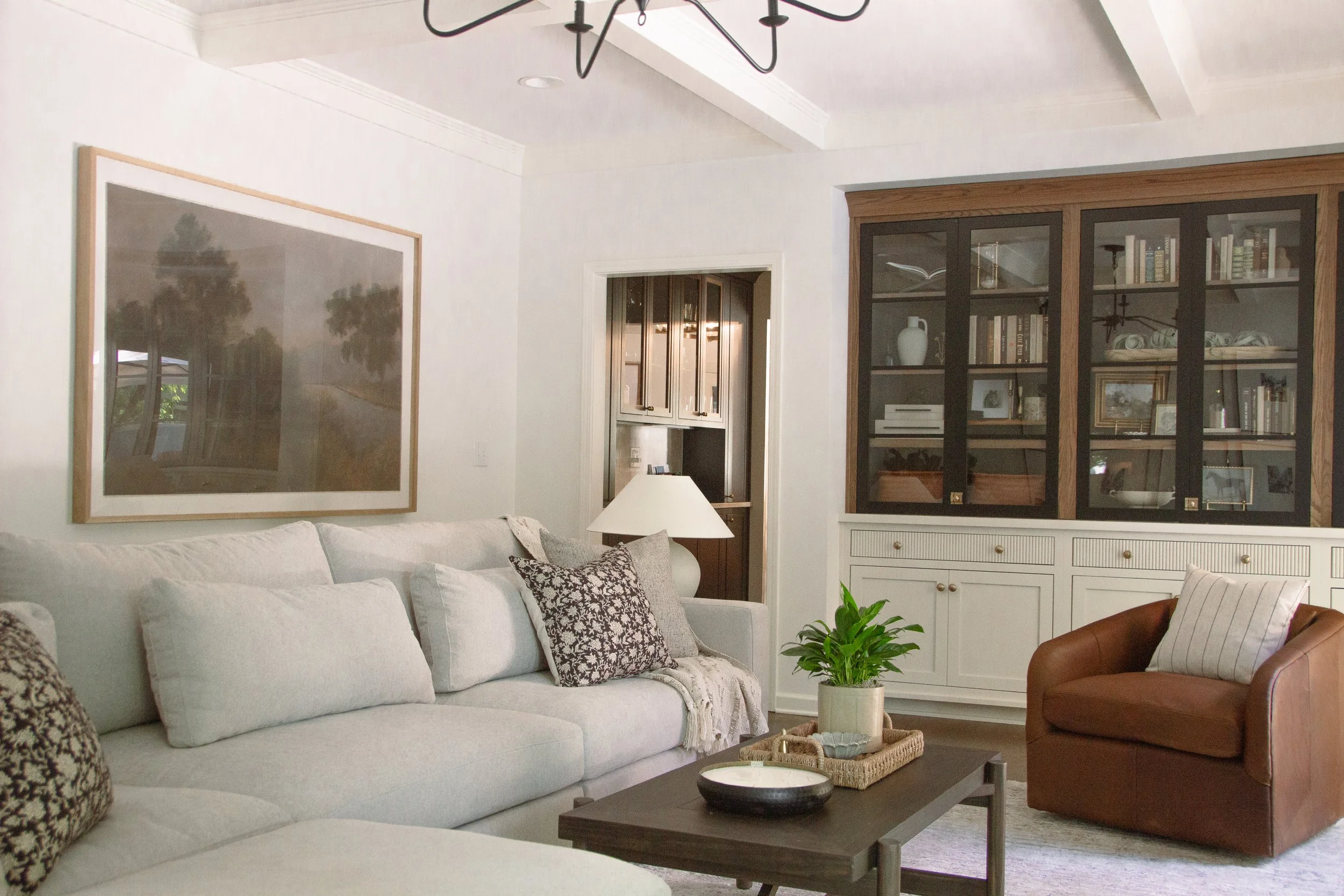
6) Layering Texture: Depth Without Clutter
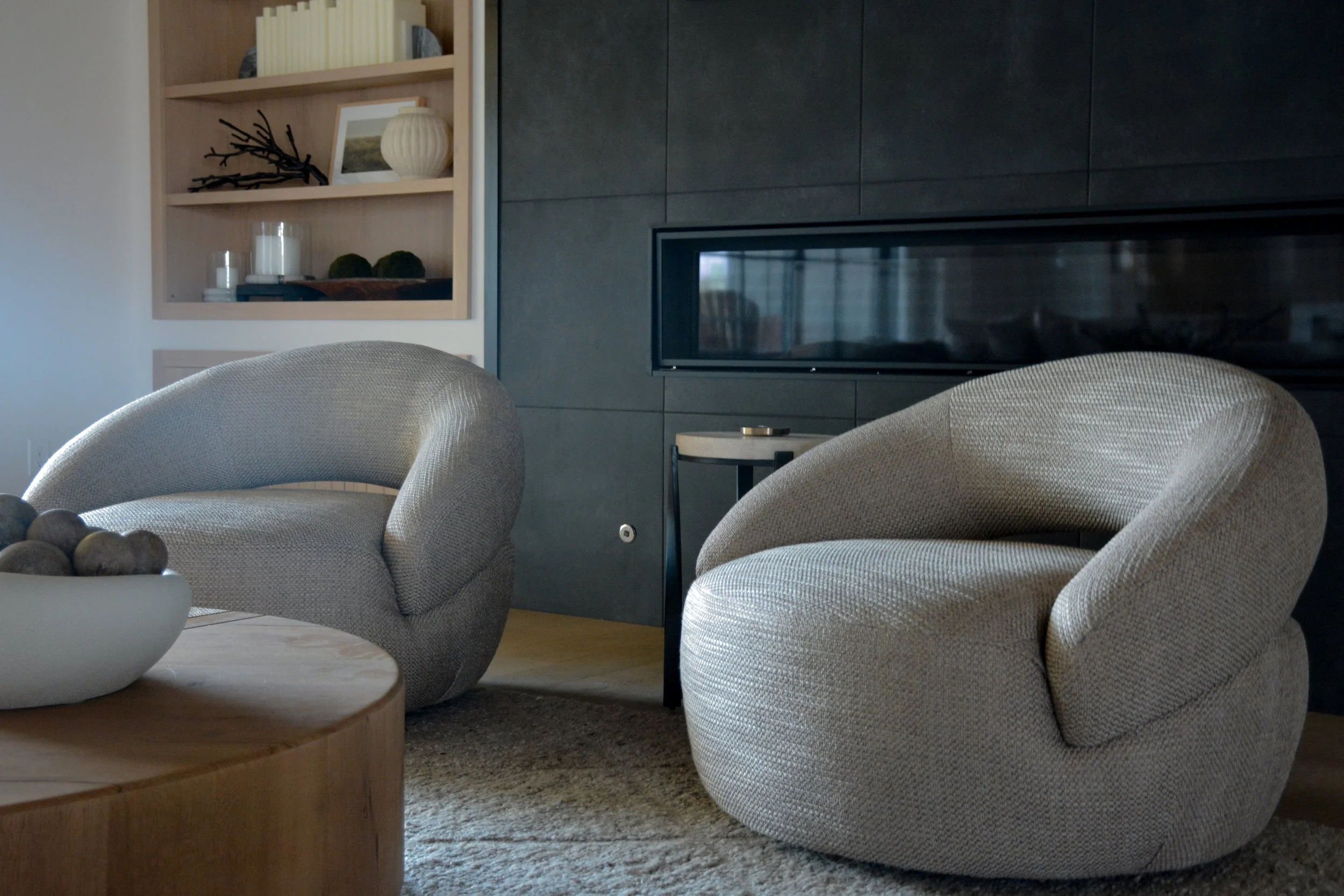
Small rooms can feel flat when everything is the same finish and the same softness level. Texture is the solution, and it doesn’t require more décor—it requires better material contrast. Pair a crisp upholstery weave with a softer throw. Add a rug that introduces subtle pattern and depth without overwhelming the floor. Use one or two materials that feel grounded, like warm wood or natural stone, to keep the room from reading overly slick.
Layering is also how a neutral palette becomes interesting. A room can be quiet and still feel rich when it includes tactile moments: a boucle chair, a linen drape, a woven shade, a ceramic lamp base, or a textured wall finish. These choices add dimension without increasing visual chaos.
Bring in natural elements as “quiet structure”
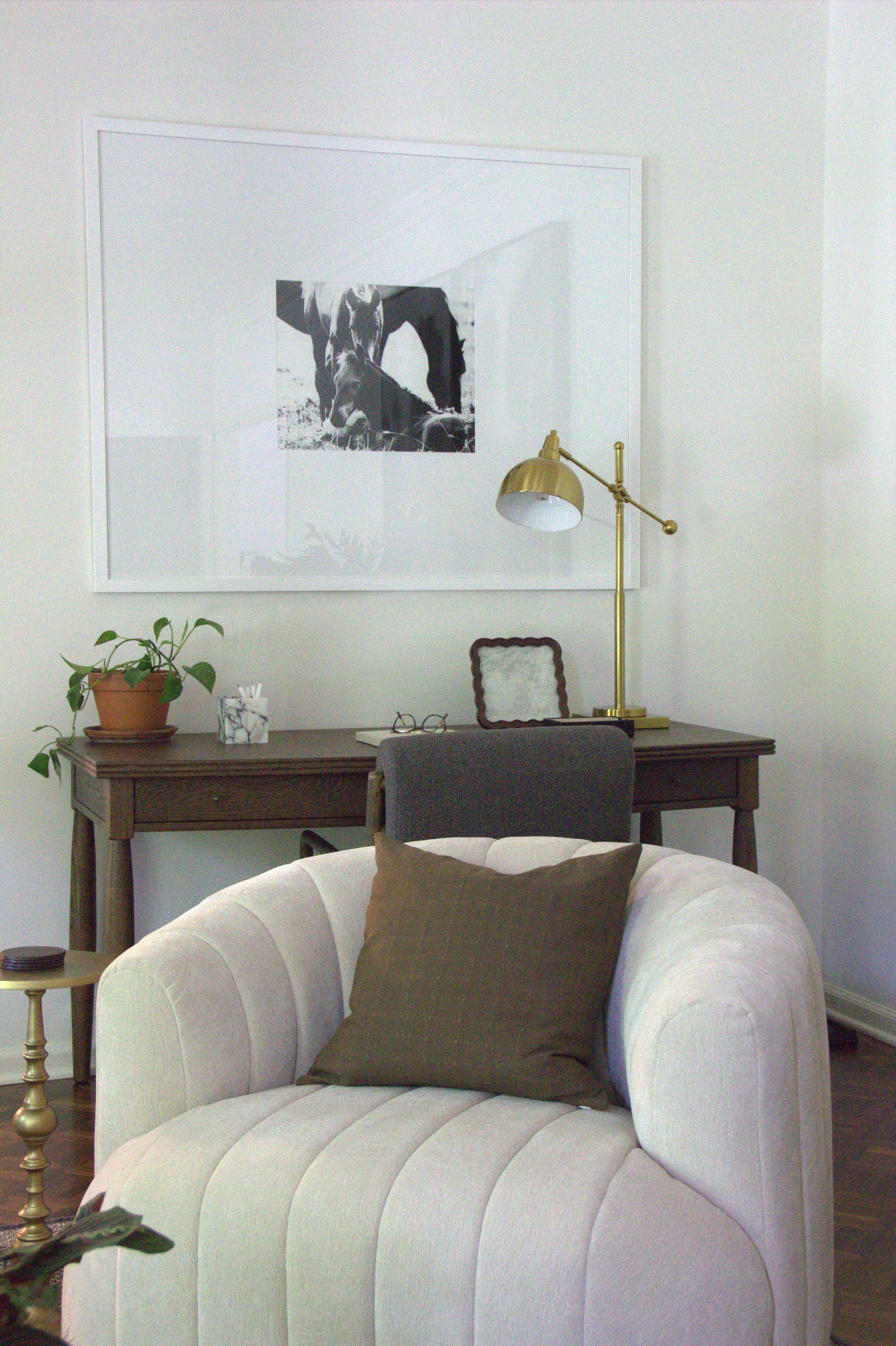
Natural materials anchor a compact living room. Wood provides warmth, stone adds quiet gravity, and woven elements soften the edges of modern silhouettes. Greenery can also make a small room feel alive, but it should be treated like a design element—not an afterthought. One larger plant in a well-chosen vessel often looks more refined than many small plants scattered around.
The point is not to decorate more; it’s to choose fewer elements that carry more presence. That’s how compact rooms gain elegance without losing function.
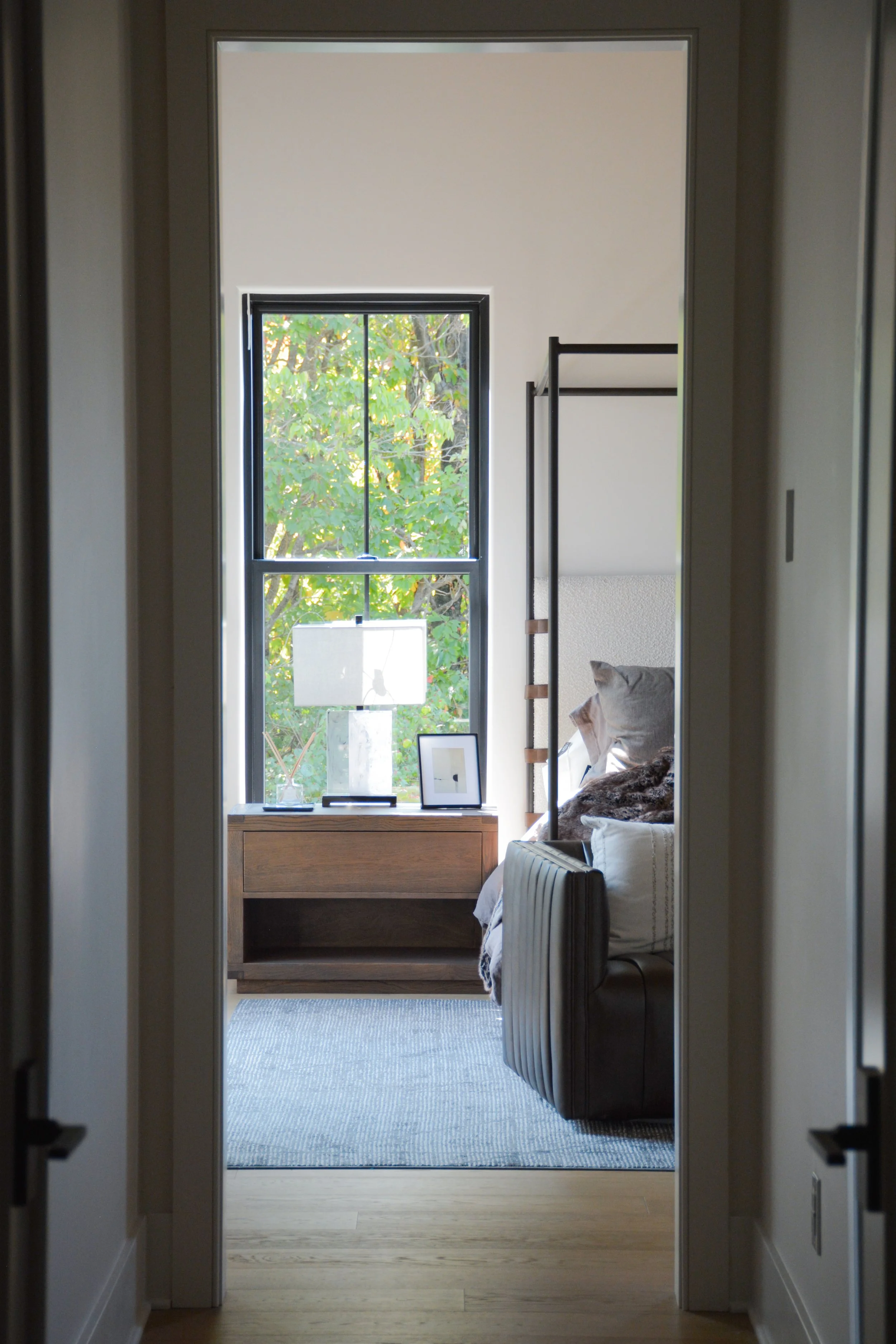
7) Lighting: Build a Layered Plan That Changes the Mood
Lighting is what allows a small living room to feel sophisticated at night. Relying on a single overhead fixture tends to flatten the room, creating harsh shadows and an unfinished feel. A layered lighting plan adds depth: a floor lamp for ambient glow, a table lamp for warmth, and a subtle accent light that highlights a wall, a piece of art, or a textured surface.
Warm bulbs and dimmers are non-negotiable if you want the room to feel calm. Small spaces often need lighting that softens edges and reduces contrast, creating a more flattering, inviting environment. With the right lighting, the room feels larger because shadows are controlled and the eye is guided through the space intentionally.
Use mirrors with restraint, and place them for purpose
Mirrors can expand a small living room, but only when they reflect something worth seeing. A mirror placed to catch natural light or reflect a focal point can add depth and brightness. A mirror placed randomly often adds glare and visual clutter. The same restraint applies to reflective finishes: a little goes a long way, and the room should still feel grounded.
If your living room is being refreshed as part of a broader home plan, a designer can coordinate the lighting approach so the room feels consistent with adjacent spaces. This holistic thinking is part of what Studio Nine builds into itsfull-service interior design work.
From Small to Finished: Creating a Room That Holds Its Own
A small living room feels “big” when it’s designed with clarity. Scale that fits, storage that stays quiet, a cohesive palette, and lighting that shifts through the day will do more than any single trend-driven purchase. The goal is not to maximize every inch with objects, but to protect open space, choose pieces with presence, and let the room feel calm enough to live in.
If you’re planning a living room refresh, it helps to approach the room as a complete composition rather than a series of upgrades. Studio Nine Interiors designs spaces that are intentional, functional, and elevated—without feeling overly formal or precious.
When you’re ready to turn ideas into a plan, reach out through the contact page. A well-designed small living room doesn’t feel “small.” It feels edited, confident, and complete.
Design Insights for a Small Living Room Refresh
What design choices make the biggest difference in a compact living room?
Scale and layout are usually the most impactful starting points. A properly sized sofa, chairs with lighter profiles, and clear circulation paths can change the way the room feels immediately. The second major factor is storage, because visual calm depends on a place for daily items to disappear. Once those foundations are handled, color, texture, and lighting can be layered in a way that feels intentional rather than crowded.
If you want the room to feel elevated, focus on cohesion rather than quantity. Fewer, better pieces create presence without clutter. A single strong focal point and a restrained palette also help the room feel calmer and larger. These decisions are the kind that benefit from a whole-room plan rather than isolated purchases.
Should furniture be placed against the walls in a small living room?
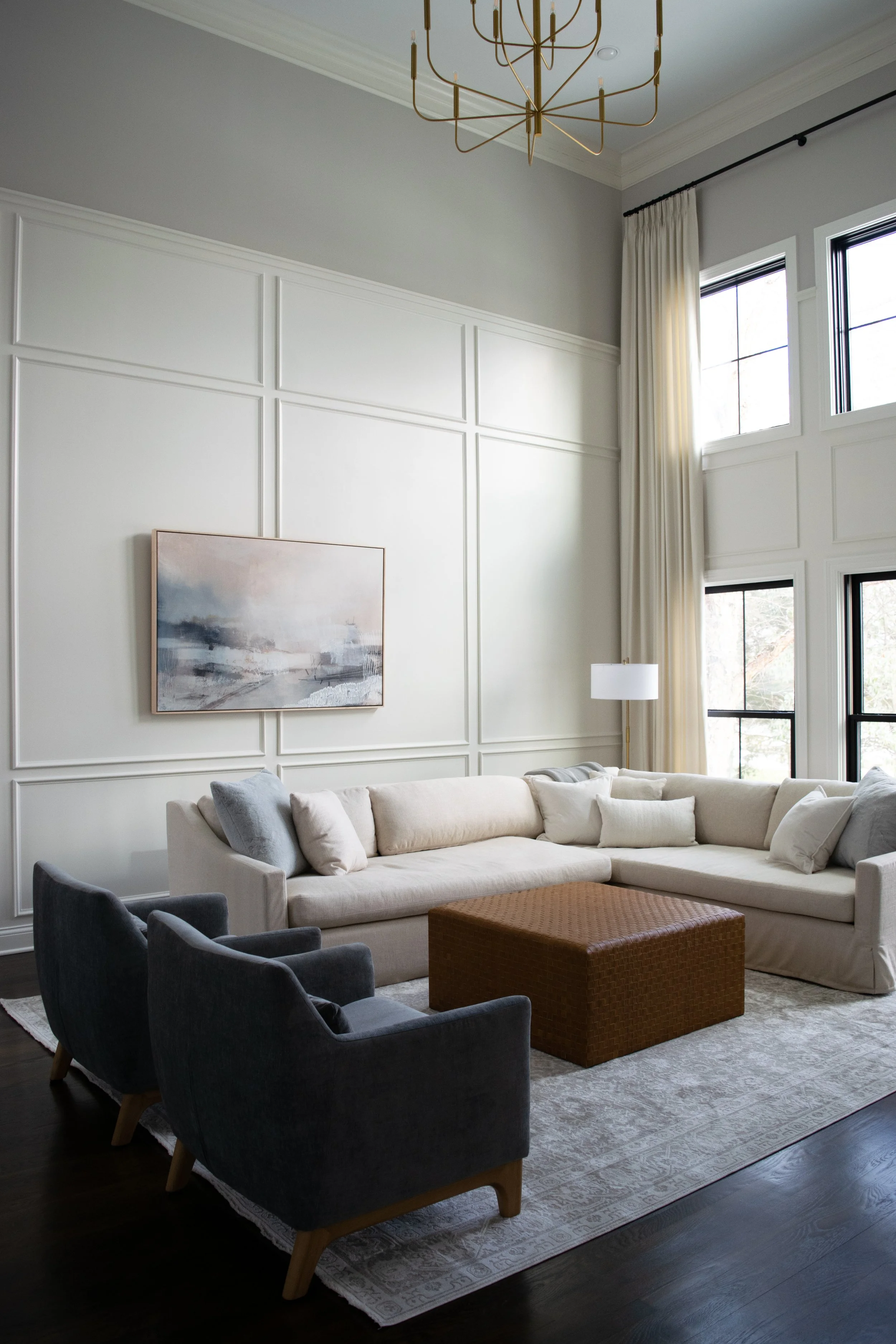
Not always. Pushing everything to the perimeter can flatten the room and create an awkward center that feels underused. In many small living rooms, floating furniture slightly forward improves flow, encourages conversation, and makes the arrangement feel deliberate. A rug can anchor the seating and help define the room without adding physical barriers.
The right choice depends on doorways, windows, and the room’s natural circulation. The goal is to protect pathways and keep the room feeling open, not to follow a default rule. Even a few inches of adjustment can change how “tight” the room feels.
How do you make a small living room feel elegant without adding clutter?
Elegance comes from editing and finish choices, not from more décor. Start with a cohesive palette and layer texture through upholstery, rugs, and a few grounded materials like wood or stone. Keep styling restrained, and choose a small number of objects that carry presence rather than many small accents competing for attention.
Lighting is also critical. A layered lighting plan with warm bulbs and dimmers creates a more refined atmosphere at night. When the room looks good in low light, it feels more intentional overall. This is one of the simplest ways to make a compact space feel elevated.
What lighting works best for a small living room?
A layered approach usually works best: ambient lighting for overall glow, task lighting for reading, and accent lighting to add depth. Floor lamps and table lamps are often better than relying only on overhead lighting, because they create softer shadows and a more inviting mood. Dimmers help the room shift from daytime function to evening relaxation without changing the design.
Natural light should be protected as well. Keep window areas visually light, avoid blocking daylight with bulky furniture, and use mirrors only when they reflect something meaningful. The combination of daylight and warm layered lighting often makes a small living room feel larger.