
Full-Scale Renovations: Rebuilding a Home Without Losing Its Character
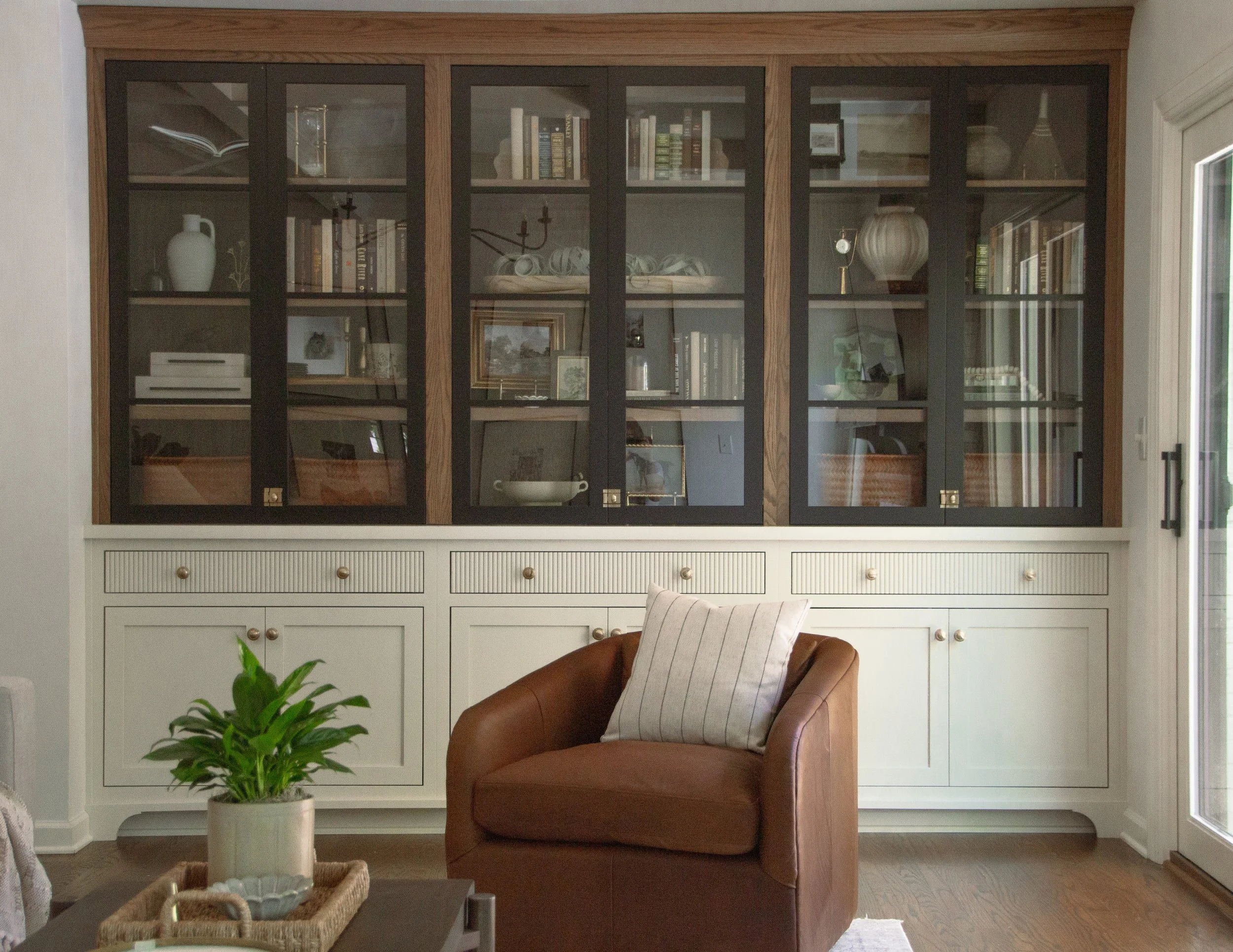
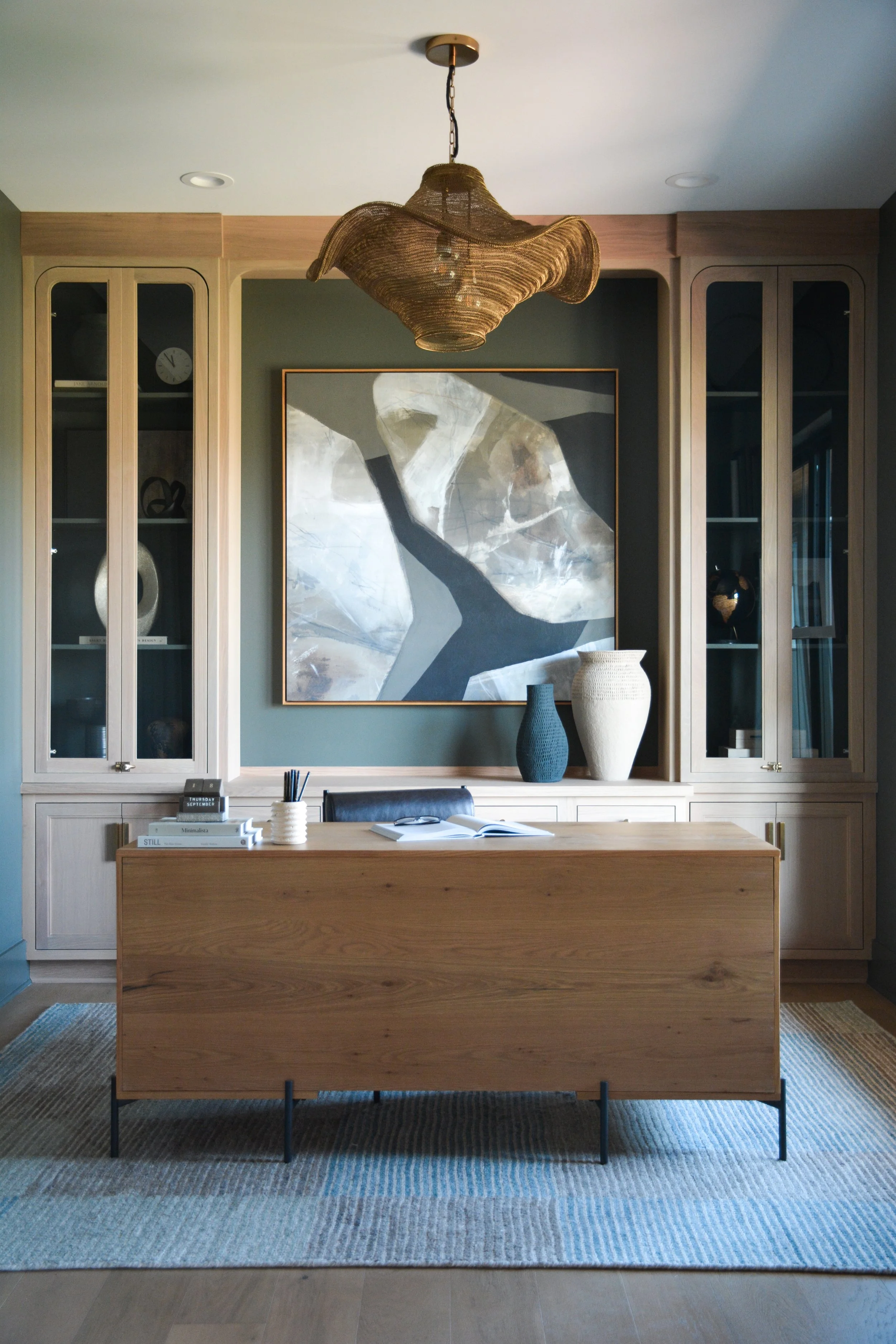
A custom built-in storage wall featuring dark framed glass cabinets, integrated lower cabinetry, and layered styling elements that create both functional storage and visual balance within a thoughtfully renovated living space.
Designing a Renovation That Respects the Whole Home
A full-scale renovation is not a surface-level refresh. It is a structural reset that reshapes how a home functions, how rooms relate to one another, and how daily life moves through the space. Unlike partial updates, full renovations require decisions that extend beyond finishes and furnishings, touching everything from layout and systems to light, proportion, and long-term adaptability.
At Studio Nine Interiors, full-scale renovations are approached as holistic design projects rather than construction exercises. The goal is not to overwrite a home's identity, but to refine it by clarifying circulation, correcting inefficiencies, and aligning architecture with the way the household actually lives. This balance between transformation and continuity defines the studio's work throughout its portfolio.
When approached thoughtfully, a full-scale renovation does more than modernize a home. It creates an environment that feels intuitive, supports changing routines, and improves daily comfort without sacrificing the elements that originally made the home appealing.
For many Louisville homeowners, this process is not about starting over entirely. It is about strengthening the relationship between existing architecture and modern functionality so the home can continue serving its occupants for years to come.
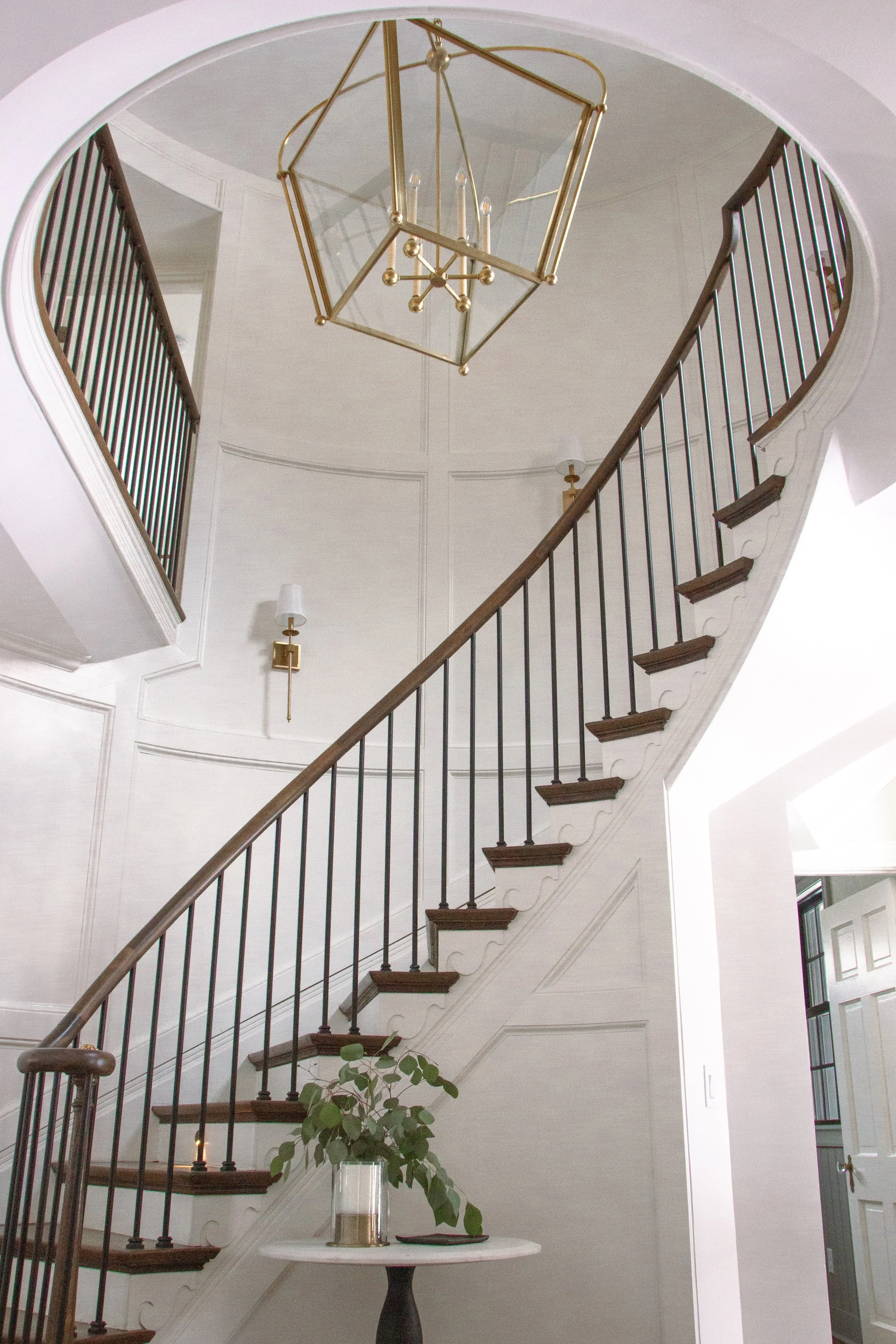
What Defines a Full-Scale Renovation
A full-scale renovation typically involves reworking multiple areas of the home at once, often including kitchens, bathrooms, primary living spaces, and structural elements such as walls, staircases, or ceiling heights.
Mechanical systems are frequently upgraded, layouts are reconfigured, and materials are selected with longevity in mind.
Because so many components are addressed simultaneously, these projects require a clear framework before construction begins. Without a unified plan, renovations of this scale can quickly become disjointed, resulting in spaces that feel individually upgraded but collectively unresolved.
Renovation Versus Piecemeal Updates
Homeowners often attempt to renovate in stages, addressing one room at a time. While this approach can work in limited situations, it often leads to mismatched layouts, inconsistent finishes, and missed opportunities for improvement.
A full-scale renovation allows decisions to be coordinated across the entire home, creating cohesion that is difficult to achieve incrementally. By addressing the property as a complete system, circulation, sightlines, and transitions can be refined in ways that smaller projects rarely allow.
This broader perspective also helps establish a consistent design language throughout the home. Rather than every room feeling like it belongs to a different era or project phase, the property can be unified through thoughtful material selections, lighting plans, and architectural details.
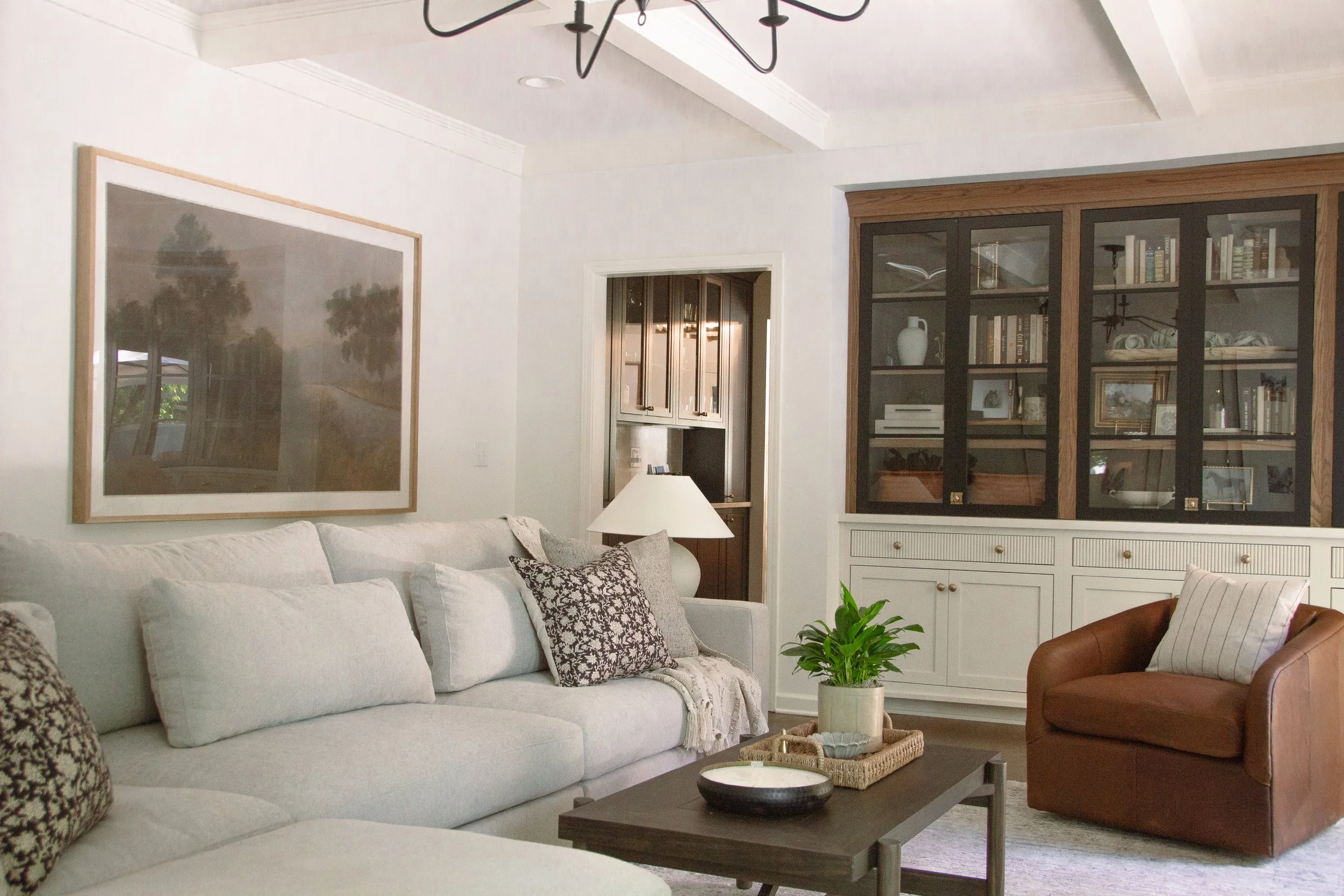
A thoughtfully renovated living room combining custom built-ins, comfortable seating, and a neutral color palette to create a cohesive space that supports both everyday living and entertaining. Thoughtful furniture planning, custom storage, and layered textures help create a living room that feels both functional and timeless.
Preserving Original Character While Improving Everyday Function
One of the biggest misconceptions surrounding full-scale renovations is that a home must lose its identity in order to function better. In reality, the most successful projects preserve the architectural details that made the home appealing in the first place while thoughtfully updating the spaces that no longer support modern living.
Original millwork, fireplaces, built-ins, ceiling treatments, window proportions, and transitional spaces often provide a sense of familiarity that homeowners want to maintain. Rather than removing these details entirely, a design-led renovation evaluates how they can be incorporated into a more efficient layout.
Preserving character is often less about replication and more about respecting the home's natural rhythm. New materials, lighting, and furnishings should feel intentional rather than disconnected from the existing architecture.
This balance becomes especially important in older Louisville homes where architectural details contribute significantly to the home's overall appeal. The goal is not to erase history, but to allow the home to evolve in a way that feels authentic to its original design.

A spa-inspired primary bathroom featuring a sculptural freestanding tub, dramatic dark wall finishes, and warm metallic accents designed to create a calm and restorative retreat within a full-scale home renovation. Layered materials, sculptural fixtures, and a restrained palette transform the primary bathroom into a peaceful retreat designed for everyday comfort.
Allowing Older Homes to Evolve Naturally
Many homes were designed for lifestyles that no longer reflect how families live today. Formal dining rooms may sit unused, kitchens may feel isolated, and storage may be insufficient. Renovation creates an opportunity to adapt these spaces without sacrificing their identity.
When changes are thoughtfully integrated, the finished home often feels as though it evolved naturally over time rather than being entirely rebuilt. This sense of continuity is one of the reasons full-scale renovations often age more gracefully than projects driven by short-term trends.

Starting with Structure and Flow
Before materials or furnishings are discussed, a full-scale renovation must address structure and movement. Walls, openings, and stair placement define how the home is experienced daily. Correcting awkward circulation or fragmented layouts often delivers more impact than any aesthetic upgrade.
Interior design plays a critical role here, ensuring structural changes support real use rather than theoretical plans. Rooms should connect logically, primary spaces should feel accessible, and private areas should maintain separation without becoming isolated.
This early planning stage often overlaps with broader interior design services, allowing furniture placement, lighting plans, and storage solutions to inform architectural decisions before construction begins.
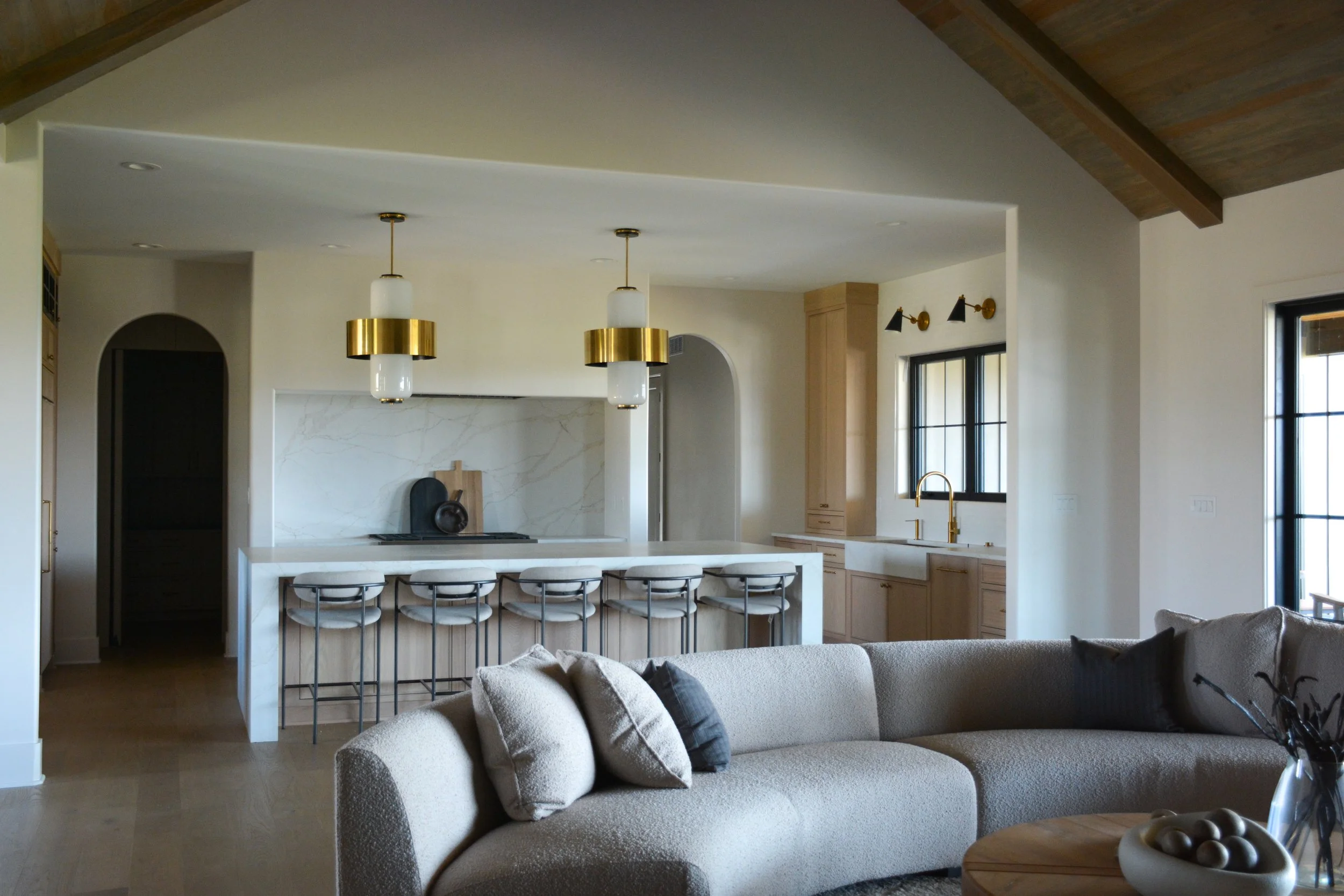
A thoughtfully renovated open-concept living space that blends the kitchen and gathering areas through cohesive materials, architectural details, and layered lighting to improve flow, functionality, and everyday living. Cohesive kitchen and living area creates a natural connection between gathering, entertaining, and everyday routines within a full-scale renovation.
Reworking Circulation for Daily Life
Many older homes suffer from circulation issues such as tight hallways, blocked sightlines, or rooms that require constant backtracking. A renovation offers the chance to simplify these patterns, allowing movement through the home to feel natural and efficient.
Openings can be widened, walls repositioned, and thresholds clarified to support smoother flow. These changes often go unnoticed once complete, which is precisely the point. Successful circulation feels effortless because the home quietly supports everyday routines without demanding attention.
Interior Design as the Guiding Framework
In full-scale renovations, interior design should guide architectural decisions rather than respond to them. When design enters too late, furniture placement, lighting, and storage are forced to adapt to decisions already locked in. Early involvement allows spaces to be shaped around use, scale, and proportion from the outset.
Studio Nine Interiors integrates interior planning early in the renovation process, aligning layout, lighting, and material decisions so each supports the next. This approach reduces revisions during construction and helps protect the overall vision.
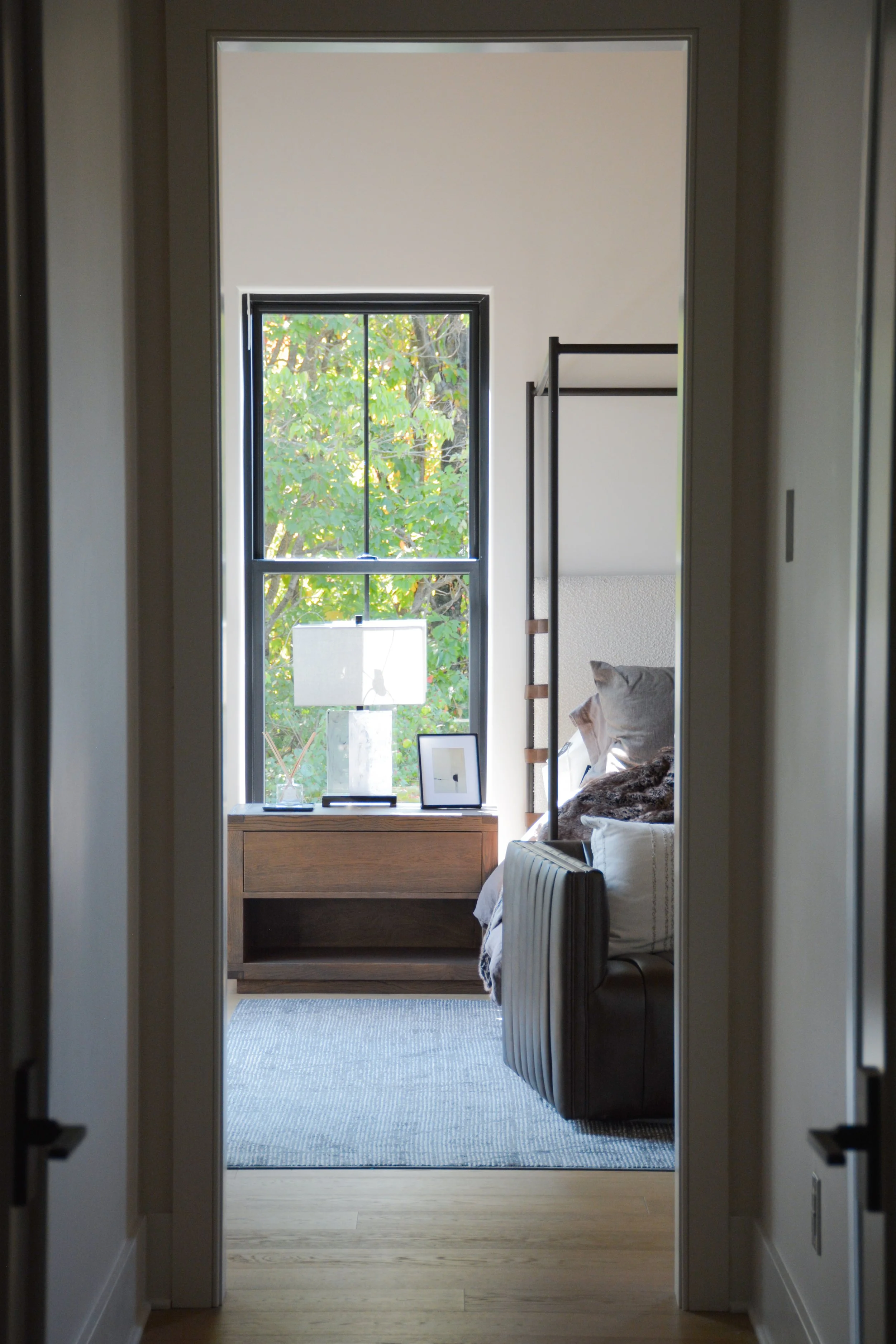
Designing for How Rooms Will Actually Be Used
A dining room that cannot comfortably accommodate a table, or a living room with limited seating options, signals a disconnect between design and use. Full-scale renovations benefit from furniture planning before walls are finalized, ensuring room dimensions support daily activities without compromise.
This level of coordination helps avoid common frustrations that surface only after construction is complete and creates spaces that continue functioning well as needs evolve over time.
Kitchens and Living Areas as the Core of the Renovation
In most full-scale renovations, kitchens and adjacent living areas form the heart of the home. These spaces set the rhythm for daily life and often dictate how other rooms are experienced. Renovating them in isolation can create imbalance, while addressing them as part of a broader plan creates continuity throughout the home.
Layout, storage, lighting, and material transitions must all work together. A kitchen that flows naturally into a living space should share a visual language without becoming repetitive. Interior design helps manage these relationships, ensuring openness does not come at the expense of comfort.
Because these rooms are used throughout the day, even small improvements can significantly impact how the home functions. Traffic patterns become more intuitive, entertaining feels easier, and everyday routines require less effort.
Many homeowners discover that these improvements extend beyond aesthetics. The home begins to feel calmer because it no longer asks occupants to work around inefficient layouts.
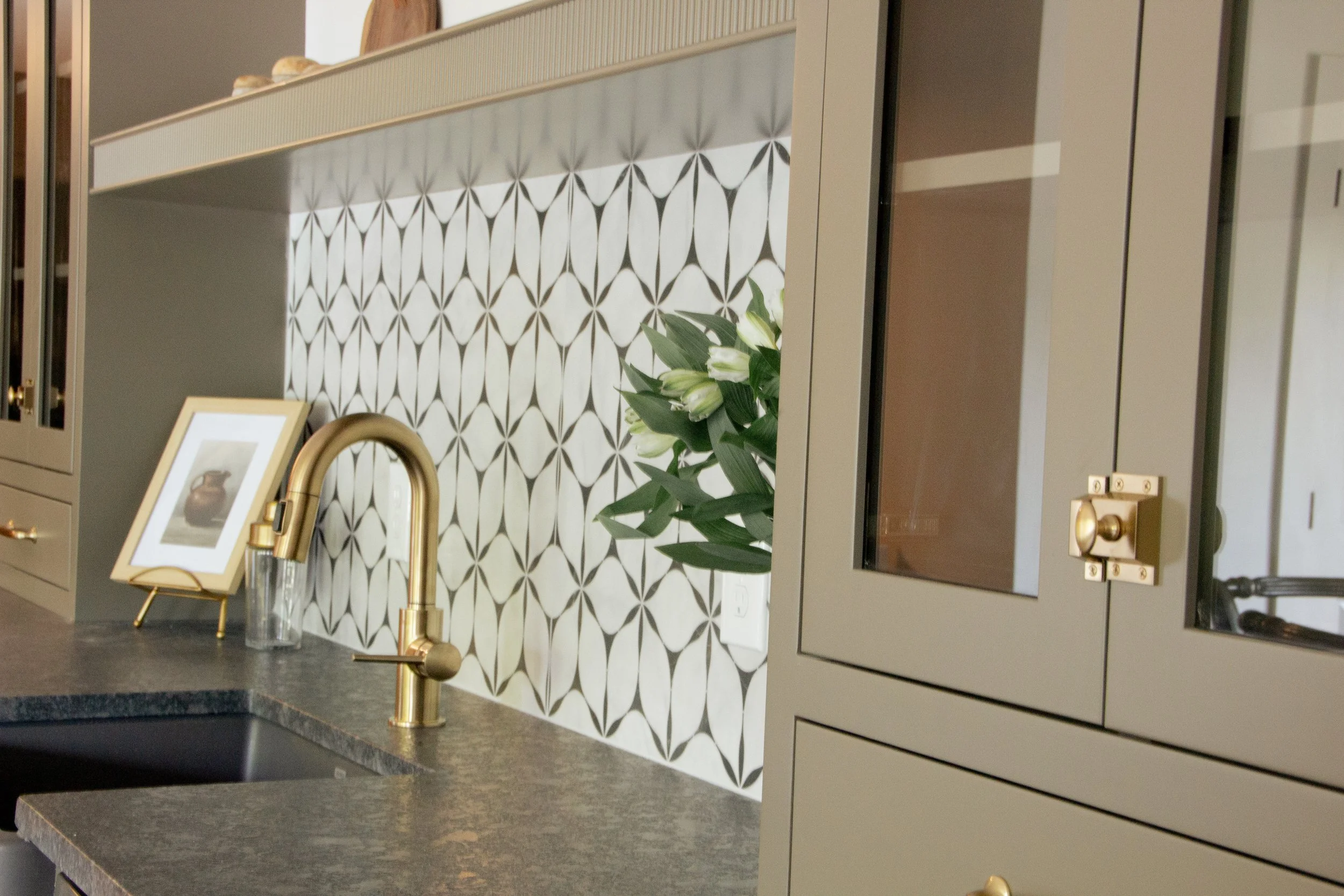
A custom bar and beverage station showcasing integrated cabinetry, a decorative geometric backsplash, and warm brass fixtures that blend functionality with elevated design details in a whole-home renovation. Thoughtful material selections and integrated storage transform this beverage station into a functional design feature that supports both entertaining and everyday use.
Balancing Openness and Definition
Open floor plans remain popular, but without careful planning they can feel undefined or overwhelming. Full-scale renovations allow zones to be established through ceiling treatments, lighting changes, flooring transitions, or custom millwork rather than walls alone.
These subtle divisions help spaces feel purposeful while maintaining visual connection. Distinct gathering areas can coexist without interrupting the overall flow of the home.
Furniture placement also plays an important role in defining spaces. Area rugs, lighting fixtures, and thoughtfully positioned seating arrangements help establish boundaries while preserving openness.
When executed properly, open-concept spaces feel organized rather than oversized.
Private Spaces: Bedrooms, Bathrooms, and Retreat Areas
While public areas often receive the most attention, private spaces deserve equal consideration in a full-scale renovation. Bedrooms, bathrooms, and personal retreats should feel calm, proportioned, and supportive of rest and privacy.
Renovating these spaces alongside the rest of the home ensures finishes, lighting, and storage remain consistent, preventing a disconnect between private and shared areas.
Private rooms often benefit from subtle upgrades that improve comfort without dramatically altering their appearance. Sound control, lighting layers, storage solutions, and improved circulation frequently deliver greater impact than decorative updates alone.
These spaces should function as places to recharge rather than simply rooms that complete a floor plan.
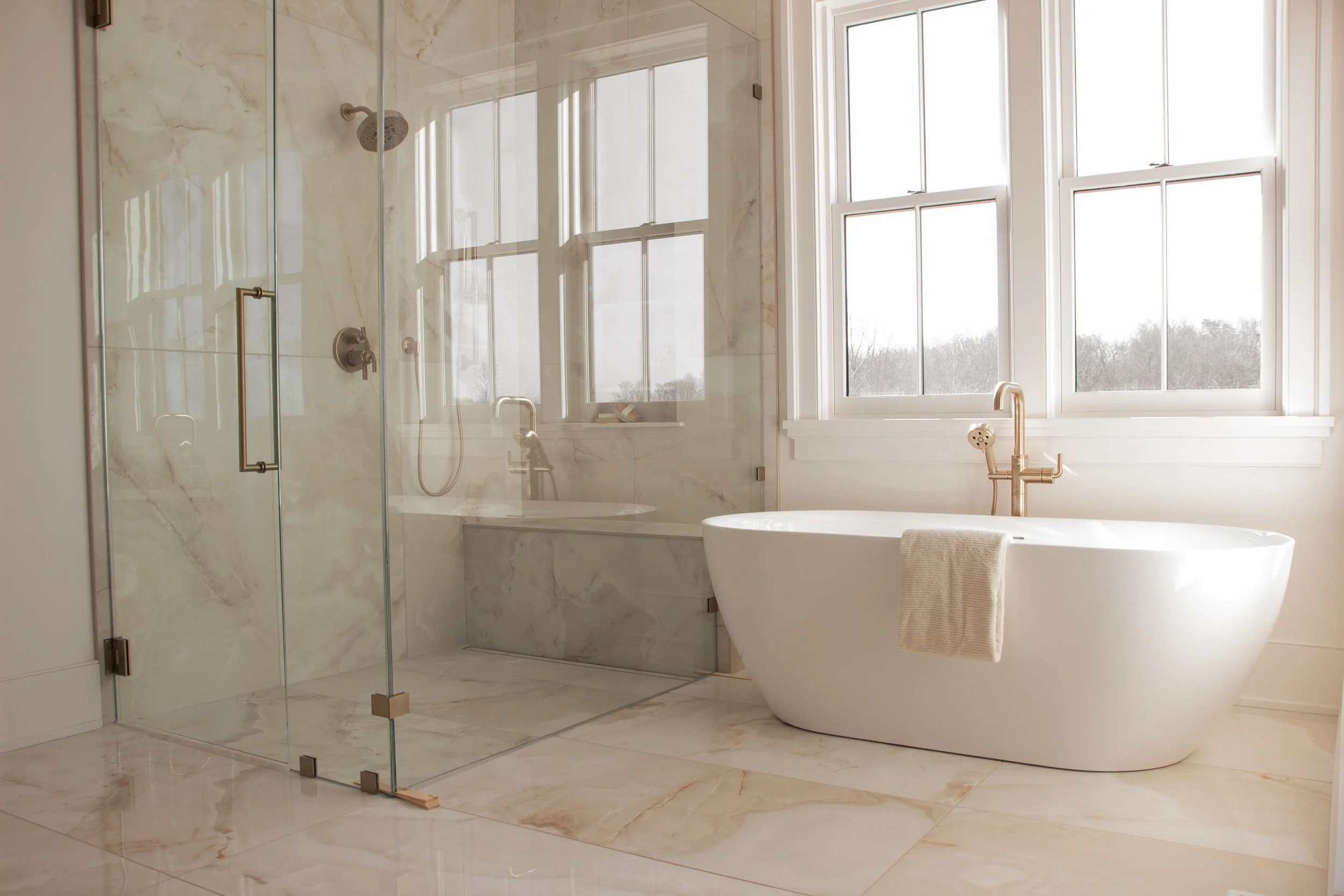
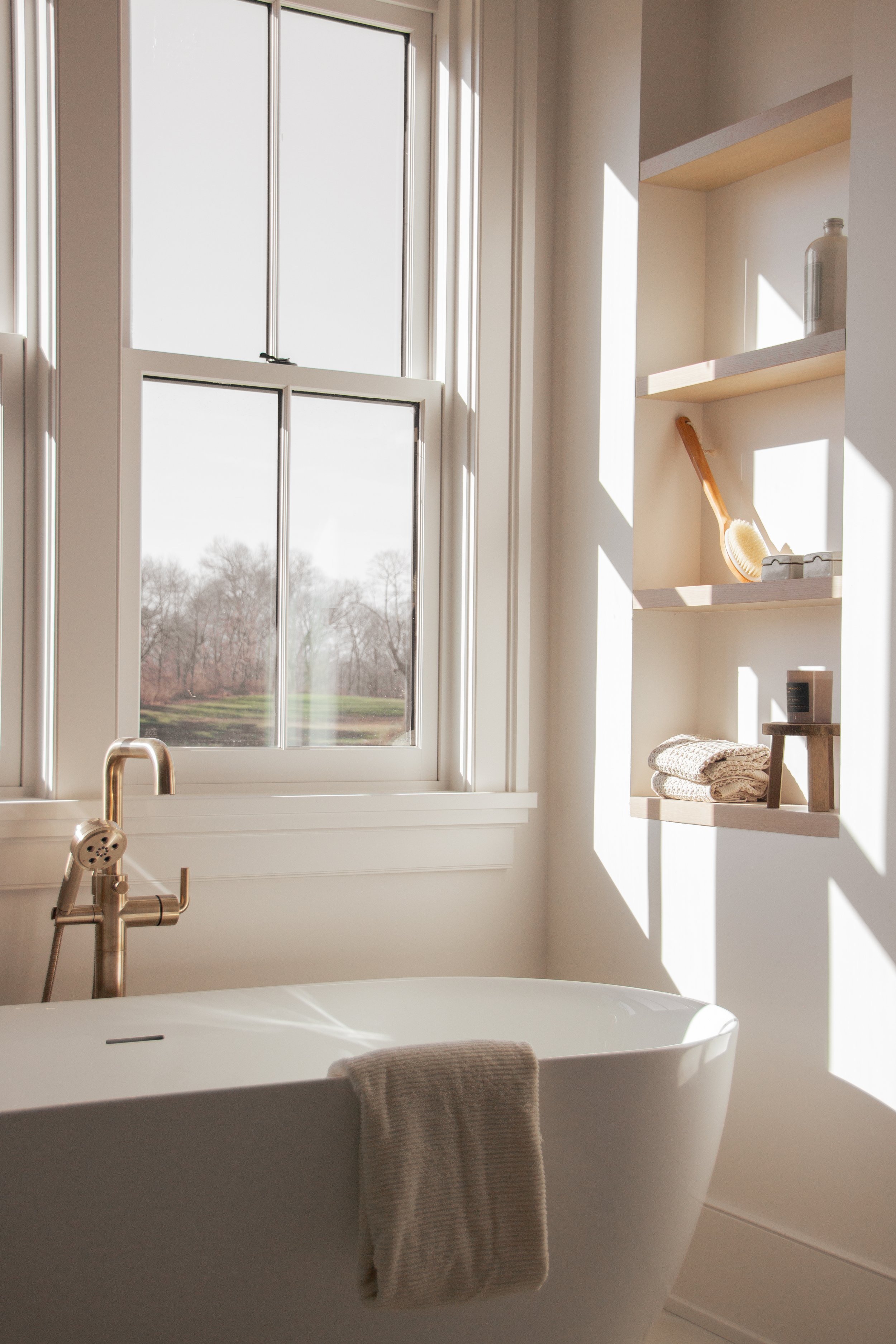
A light-filled primary bathroom that combines a freestanding tub, expansive glass shower, and timeless finishes to create a calming retreat that balances everyday functionality with elevated design. Layered natural light, timeless materials, and thoughtful planning transform this primary bathroom into a restorative space within a full-scale renovation.
Primary Suites as Functional Sanctuaries
Primary bedrooms and bathrooms benefit from thoughtful layout and intentional planning. Clear separation between sleeping, dressing, and bathing zones improves daily routines and reduces friction throughout the day.
Storage integrated into the design prevents clutter and preserves visual calm. Custom cabinetry, concealed storage solutions, and carefully planned lighting create spaces that feel restorative without becoming overly formal.
These considerations often provide greater long-term satisfaction than purely aesthetic upgrades because they directly improve how homeowners experience their routines.
Material Continuity Across the Home
Material selection in a full-scale renovation should be considered across the entire home rather than room by room. Repetition of finishes, variation in scale, and thoughtful transitions create a sense of continuity that feels composed rather than monotonous.
A restrained palette often allows architecture and natural light to take precedence, while overly complex material schemes can fragment the experience of the home.
This does not mean every room must look identical. Instead, materials should establish relationships between spaces so the home feels connected while still allowing each room to have its own identity.
When materials are coordinated properly, transitions feel natural and the home appears more intentional overall.
Choosing Materials That Age Well
Longevity is especially important in large renovations. Materials should perform well under daily use and continue to feel relevant over time. Interior design helps evaluate options through this lens, balancing durability, maintenance requirements, and visual warmth.
Natural materials often perform particularly well because they develop character rather than appearing worn as they age. Wood, stone, and timeless finishes frequently become more appealing over time.
This approach reduces the likelihood of premature updates and supports long-term value.
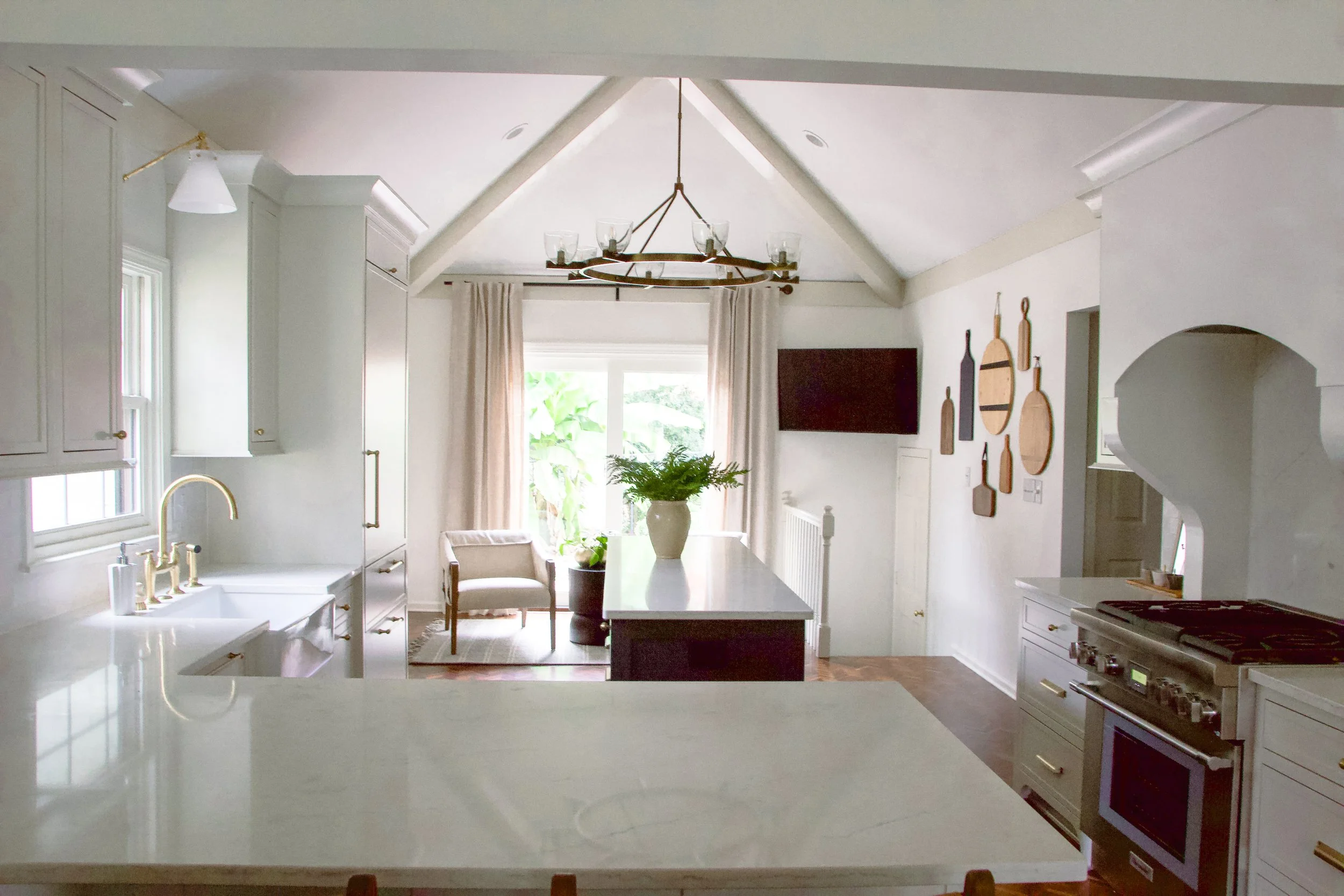
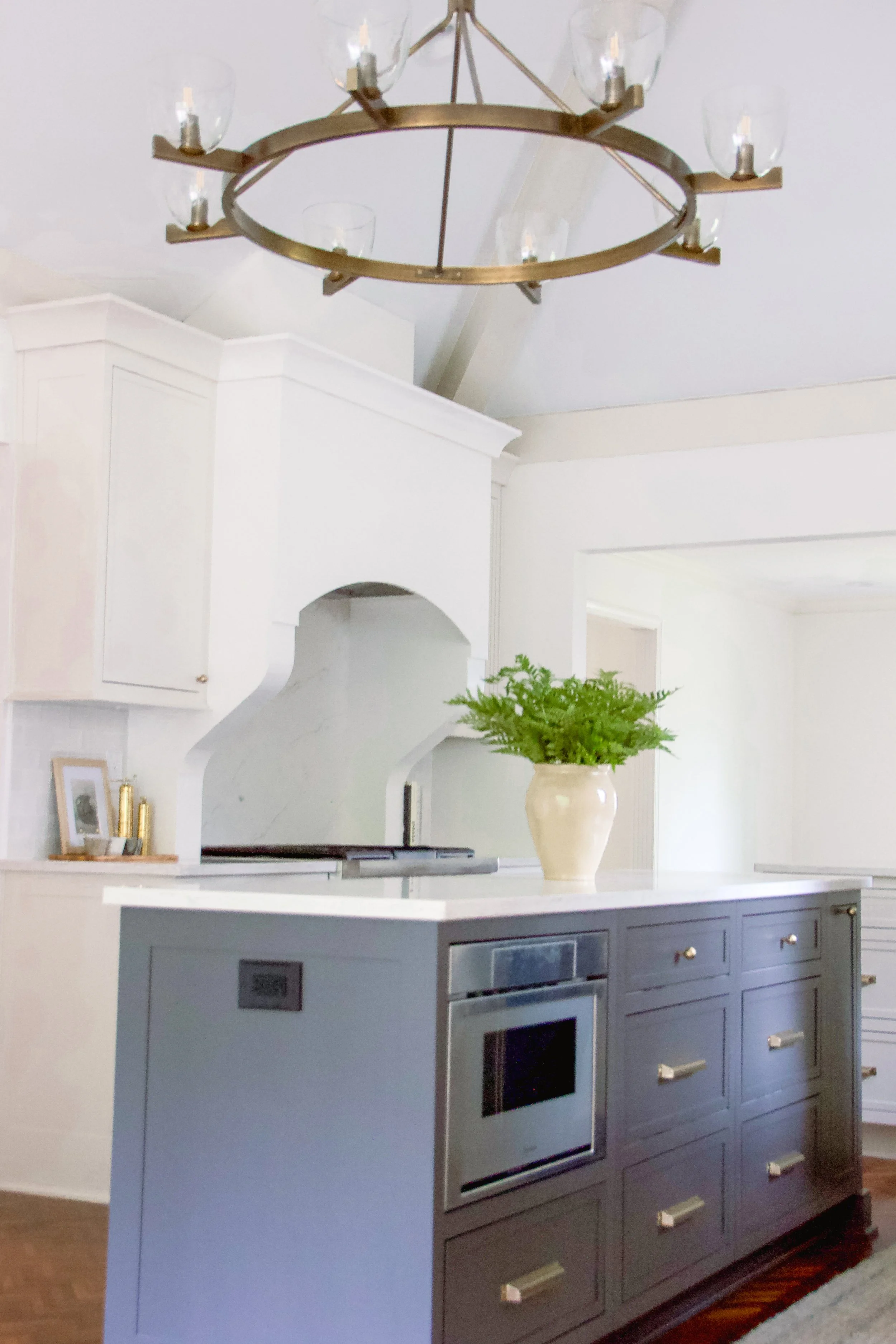
A bright transitional kitchen that combines custom cabinetry, layered lighting, and an open layout to create a cohesive gathering space that supports both everyday routines and entertaining. Vaulted ceilings, thoughtful lighting, and a connected layout create a kitchen designed to support the flow of everyday living.
Lighting as a Structural Element
Lighting is frequently underestimated in renovation planning, yet it has a profound impact on how spaces feel. Full-scale renovations allow lighting to be integrated into the architecture rather than applied afterward.
Layered lighting, including ambient, task, and accent lighting, supports different activities and moods throughout the day. Coordinating lighting placement with furniture layouts and ceiling conditions ensures both functionality and comfort.
Light should also respond to natural conditions throughout the day. Rooms used in the morning require different considerations than those primarily used in the evening.
When lighting is planned early, it becomes part of the home's structure rather than an afterthought.
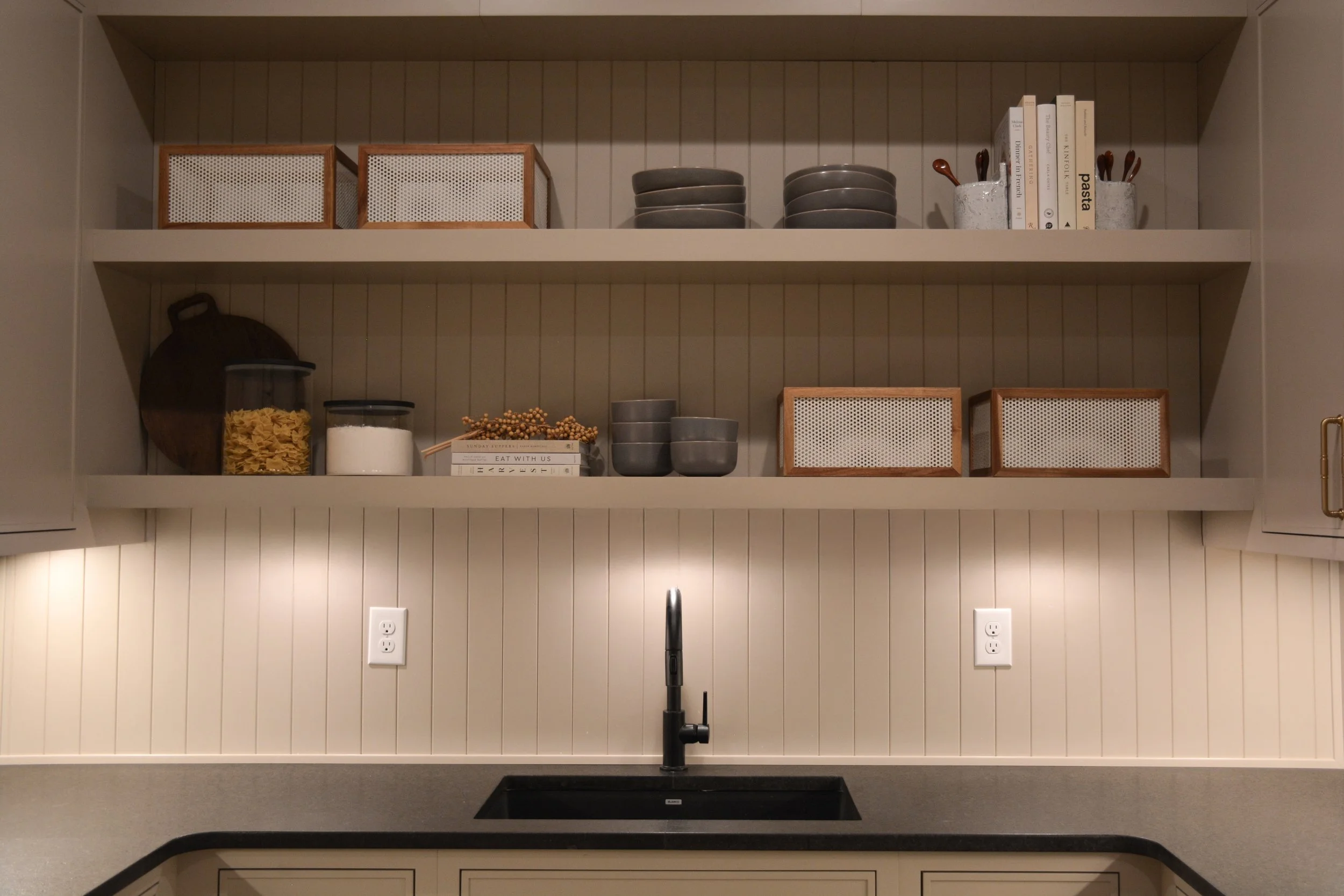
A thoughtfully designed pantry and prep area that combines open shelving, integrated lighting, and built-in storage solutions to improve organization and support everyday routines within a whole-home renovation. Integrated shelving, layered lighting, and purposeful storage create an organized workspace that blends functionality with timeless design.
Avoiding Over-Lit or Under-Lit Spaces
Relying solely on recessed lighting often results in flat, uninviting rooms. Full renovations create opportunities to introduce varied light sources that add depth and softness.
Wall sconces, decorative fixtures, under-cabinet lighting, lamps, and accent lighting all contribute to a more comfortable environment.
Thoughtful lighting design enhances materials, highlights architectural details, and improves everyday functionality without overwhelming the space.
The most successful lighting plans often go unnoticed because they simply make the home feel better throughout the day.
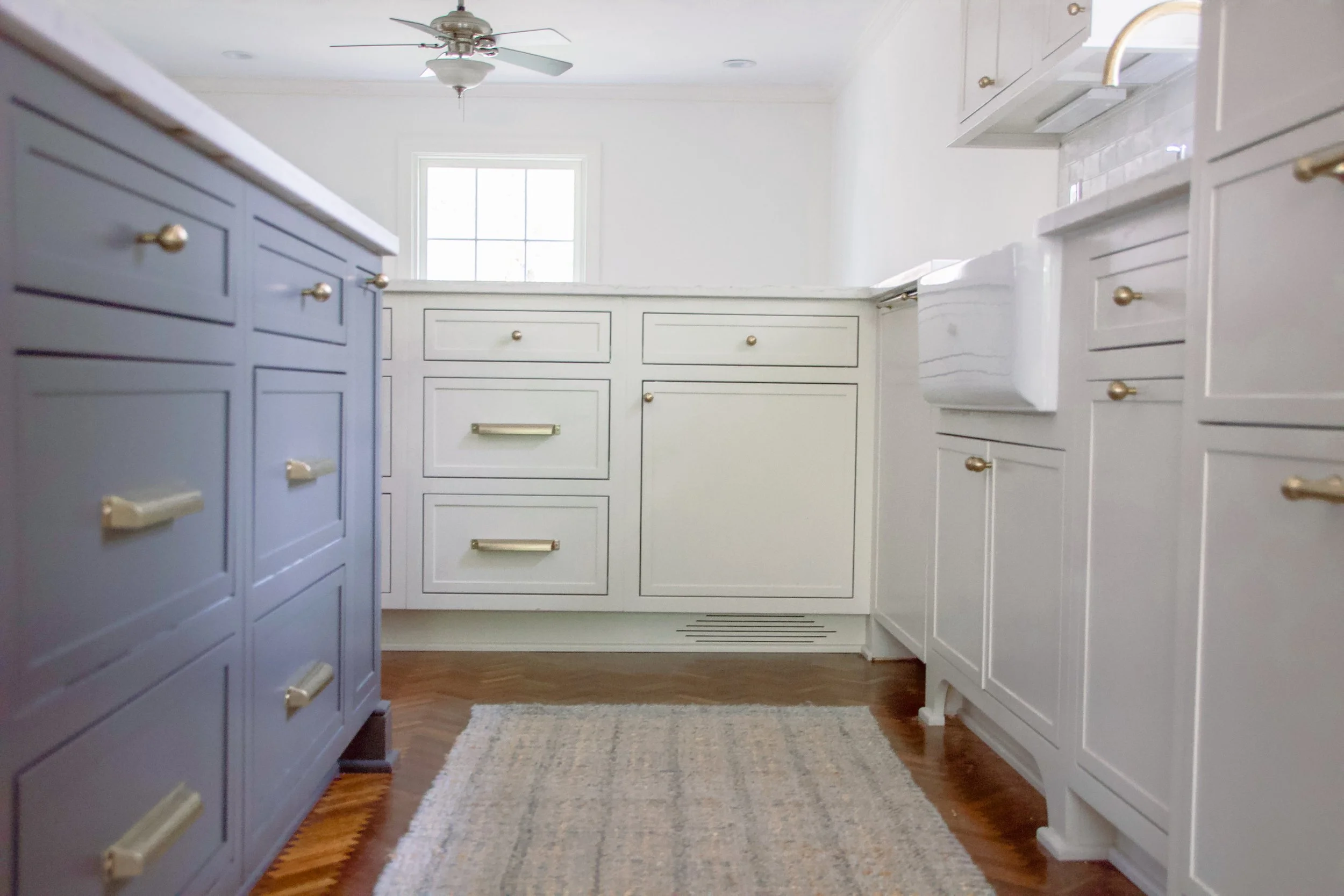
A thoughtfully designed laundry room with custom storage, durable finishes, and integrated workspace solutions that improve organization and support everyday household routines within a whole-home renovation. Custom cabinetry, purposeful storage, and durable materials transform this laundry room into a hardworking space that supports daily living.
Storage and Infrastructure Planning
Large renovations expose the hidden systems of a home, including mechanical equipment, electrical runs, plumbing, and storage needs. Integrating these elements cleanly is essential to maintaining visual clarity.
Built-in storage, concealed utility areas, and coordinated millwork help keep functional necessities out of sight. This planning allows living spaces to remain focused on comfort rather than accommodation.
Storage should never feel like an afterthought. It should be integrated into the architecture itself so organization becomes effortless.
Thoughtful infrastructure planning also helps future-proof the home by anticipating evolving needs over time.
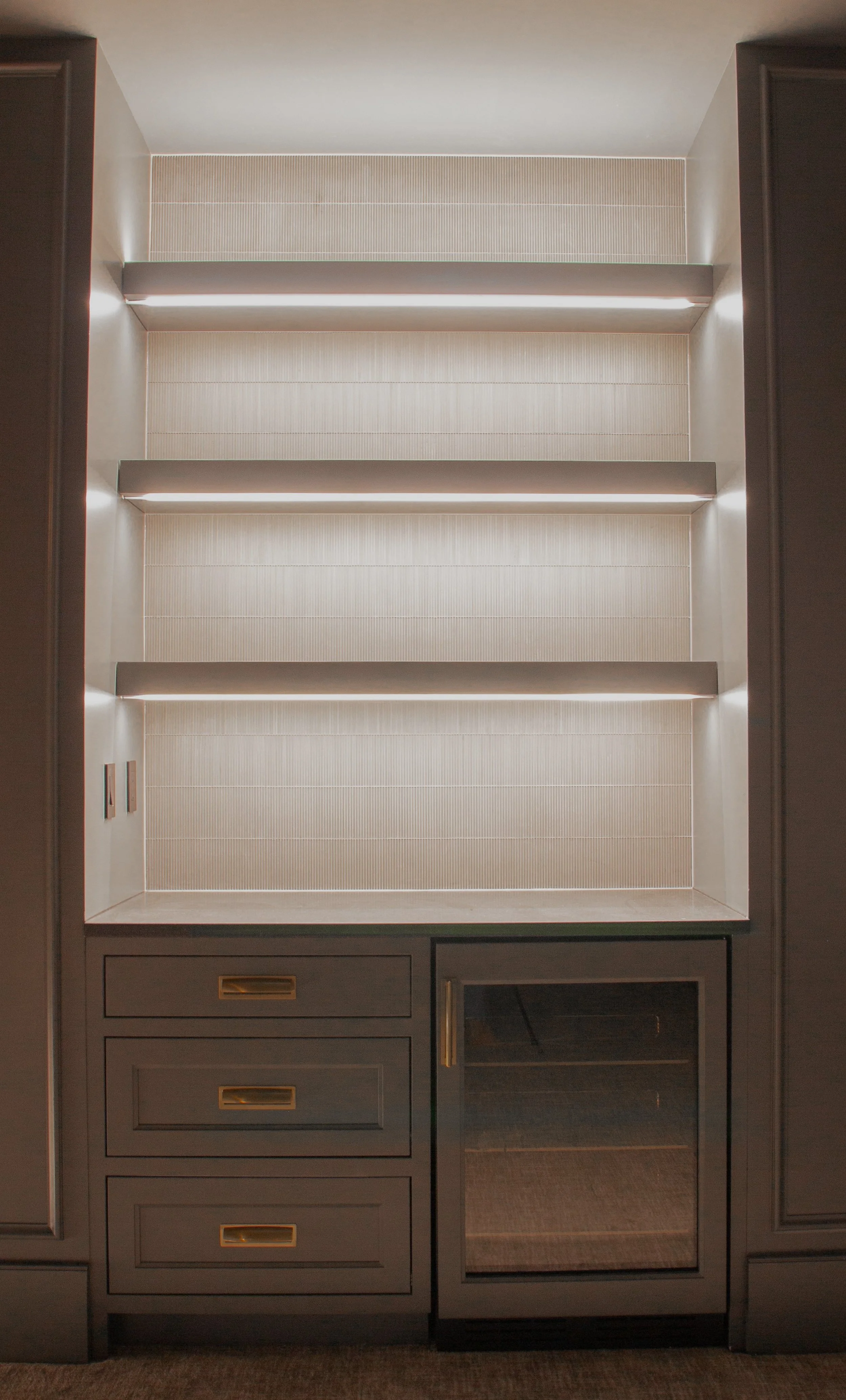
Designing for Real Storage Needs
Storage should reflect how the household actually operates, not an idealized version of daily life. Entry zones, kitchens, living areas, and bedrooms all benefit from concealed storage that supports organization without adding visual weight.
When storage is planned as part of the architecture, it enhances usability without detracting from the design.
Thoughtful storage solutions help reduce clutter, improve efficiency, and allow homeowners to focus on enjoying their spaces rather than constantly maintaining them.
Ultimately, the goal is to create a home that feels both beautiful and effortless to live in.
Renovation Logistics and Team Coordination
Full-scale renovations require close collaboration between designers, contractors, and skilled trades. Clear communication and shared documentation help ensure decisions are executed accurately and efficiently throughout every phase of the project.
At Studio Nine Interiors, design direction is continuously aligned with construction realities, reducing delays and minimizing costly revisions during the build. This collaborative approach allows homeowners to remain focused on the larger vision rather than becoming overwhelmed by countless individual decisions.
Unlike smaller projects, full-scale renovations create a ripple effect throughout the home. A single adjustment may influence lighting plans, furniture layouts, cabinetry dimensions, flooring transitions, and storage strategies. Maintaining communication across all parties helps preserve continuity.
Strong coordination also provides homeowners with greater confidence throughout construction because every decision is connected to a broader framework.
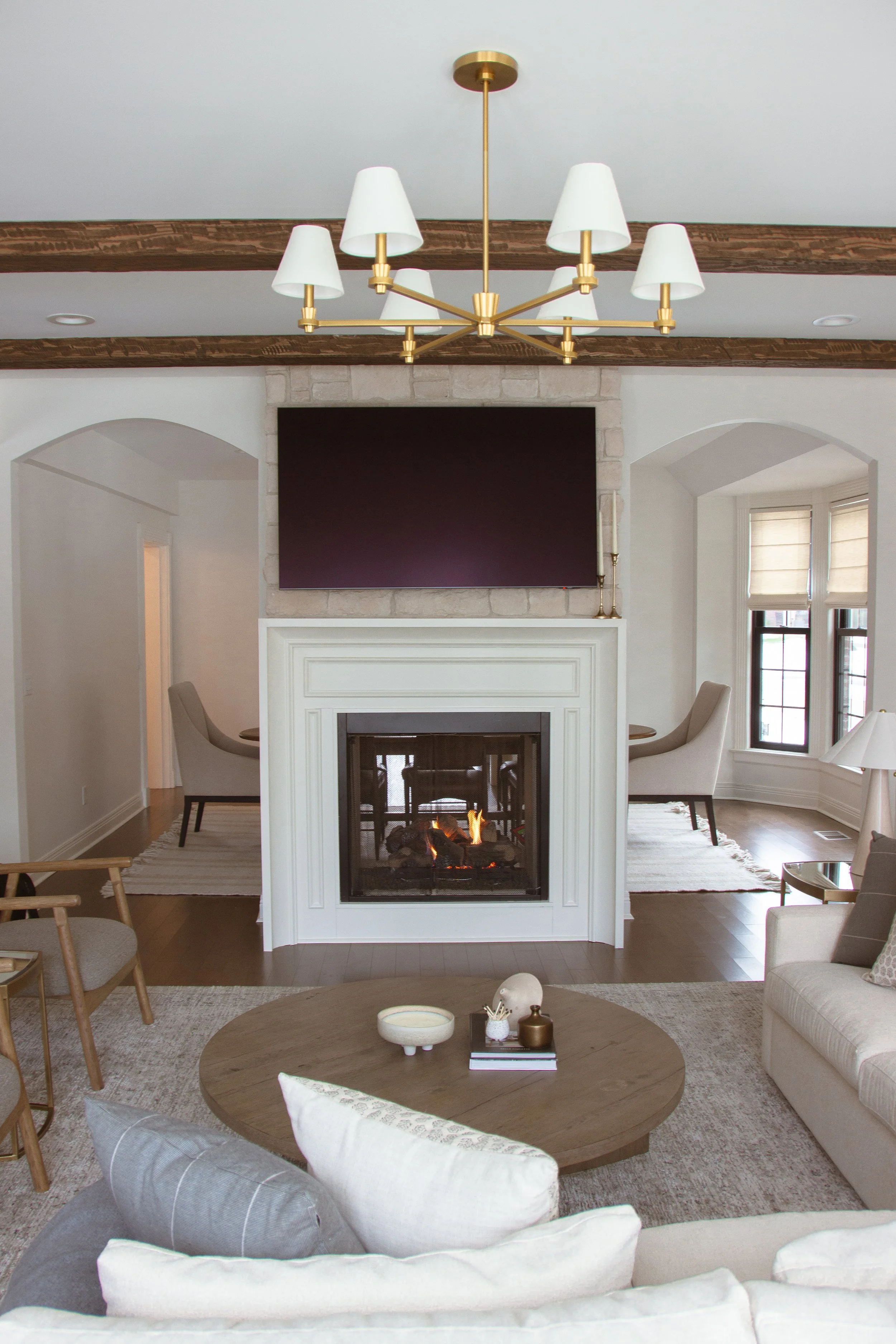
Maintaining Clarity Throughout Construction
Renovations of this scale inevitably encounter surprises. Hidden mechanical systems, structural modifications, or unforeseen conditions often surface once walls are opened.
When a strong design framework exists, adjustments can be made without compromising the overall outcome. Regular communication and proactive problem-solving help projects continue moving forward without losing momentum.
This level of organization supports both quality and predictability throughout the renovation process.
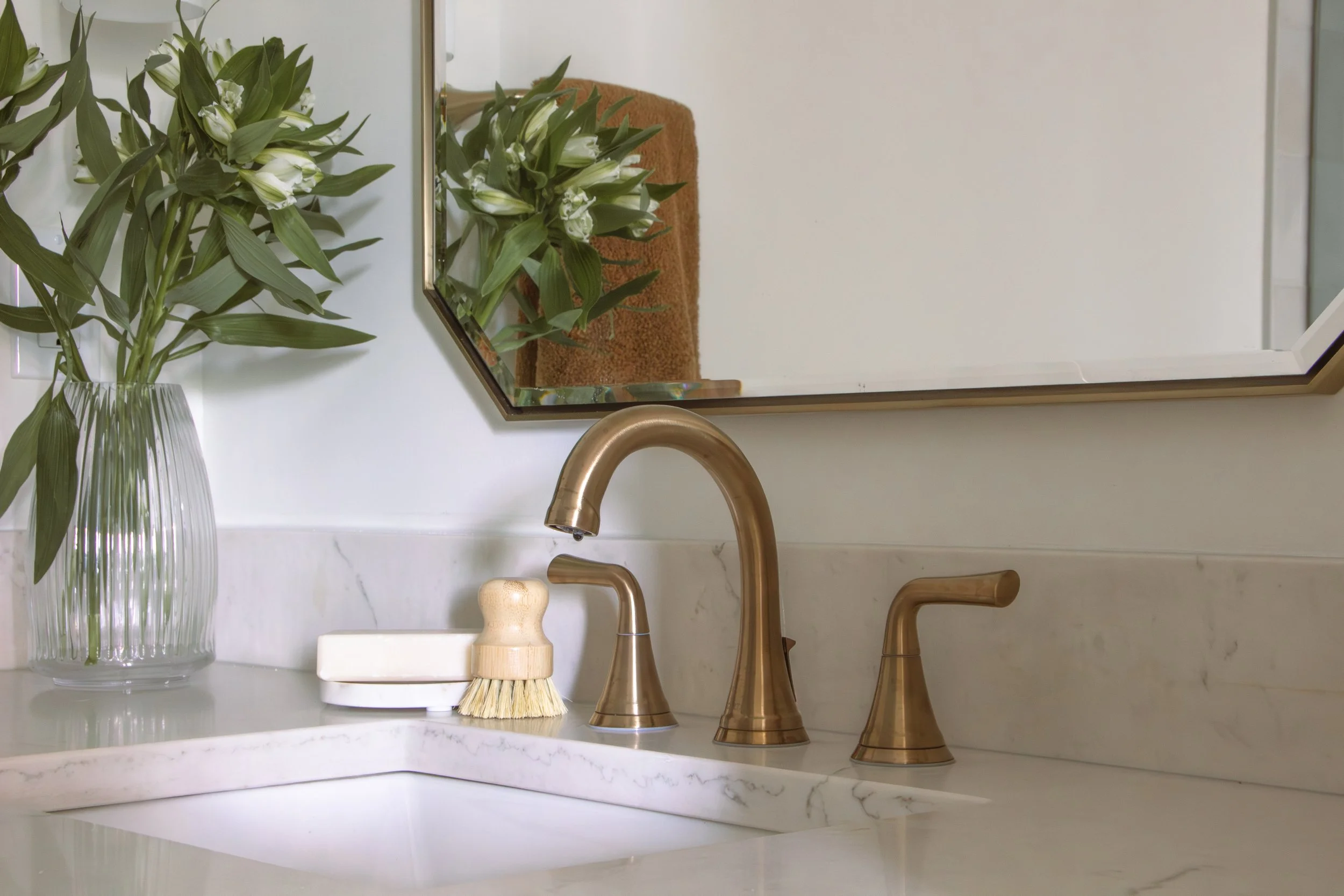
A close-up of a thoughtfully designed bathroom vanity showcasing warm brass finishes, clean stone surfaces, and layered styling elements that create a timeless and functional space within a whole-home renovation. Small details such as fixtures, mirrors, and material selections help create a cohesive bathroom that feels refined, functional, and connected to the rest of the home.
Living Through or Around a Full Renovation
Depending on the scope of work, full-scale renovations may require homeowners to temporarily relocate or significantly adjust their daily routines. Planning for this disruption early helps manage expectations and reduce unnecessary stress.
Phasing strategies, temporary solutions, and realistic timelines all contribute to a smoother experience. Interior design input can also help prioritize which spaces should be completed first and how temporary arrangements may function during construction.
Preparing for these adjustments ahead of time often makes the process feel more manageable. Clear expectations create a sense of control during periods of disruption.
Ultimately, temporary inconveniences often lead to meaningful long-term improvements in comfort and functionality.
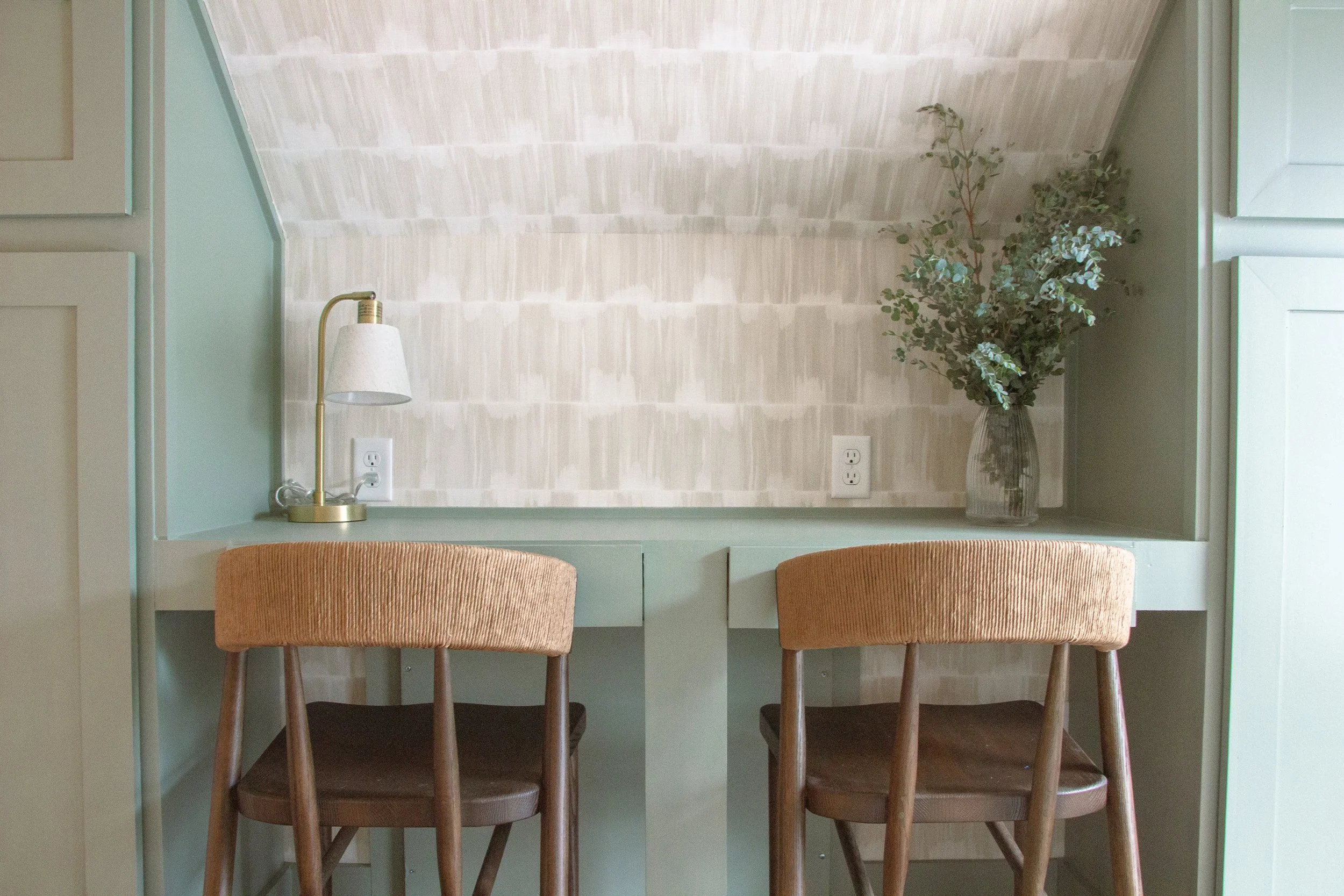
A thoughtfully designed workspace tucked beneath a sloped ceiling, featuring built-in desks, integrated storage, and layered finishes that create a flexible area for working, studying, or managing daily household tasks within a whole-home renovation. Dedicated workspaces integrated into the home create flexibility for remote work, studying, and everyday organization without sacrificing style.
Setting Expectations for Scope, Timelines, and Decision Making
Full-scale renovations involve hundreds of interconnected decisions. Structural modifications, finish selections, custom millwork, lighting plans, plumbing locations, furniture layouts, and storage strategies all influence one another throughout the process.
Establishing priorities early creates a smoother path through construction. Rather than approaching a renovation room by room, homeowners benefit from understanding the entire project as a coordinated system.
Every home presents unique conditions that may influence scope and timelines. Existing infrastructure, hidden mechanical issues, permitting requirements, and material availability can all impact the project once construction begins.
Approaching these variables with flexibility helps maintain progress while protecting the overall vision.
Building Flexibility Into the Process
Unexpected discoveries are common during larger renovations. Older homes may reveal outdated wiring, plumbing modifications, or structural adjustments once walls are opened.
Building flexibility into the process allows these discoveries to be addressed without compromising the design direction.
A strong framework keeps projects moving forward because decisions remain intentional rather than reactive.
This adaptability often distinguishes successful renovations from projects that become unnecessarily stressful.

The Studio Nine Interiors team works collaboratively to guide full-scale renovations from early planning through final styling details.
The Studio Nine Interiors Approach to Full-Scale Renovations
At Studio Nine Interiors, full-scale renovations begin with understanding how a household truly functions. Daily routines, entertaining habits, storage requirements, and long-term goals all inform the design process before construction decisions are finalized.
Layouts, furniture plans, lighting strategies, material selections, and custom details are developed together rather than independently. This integrated approach creates consistency throughout the home while helping reduce revisions later in the project.
Each decision is evaluated within the context of the entire property rather than a single room. This allows spaces to feel connected while maintaining their own purpose and personality.
Projects are approached with equal attention to aesthetics and practicality because a beautiful home should also support everyday life with ease.
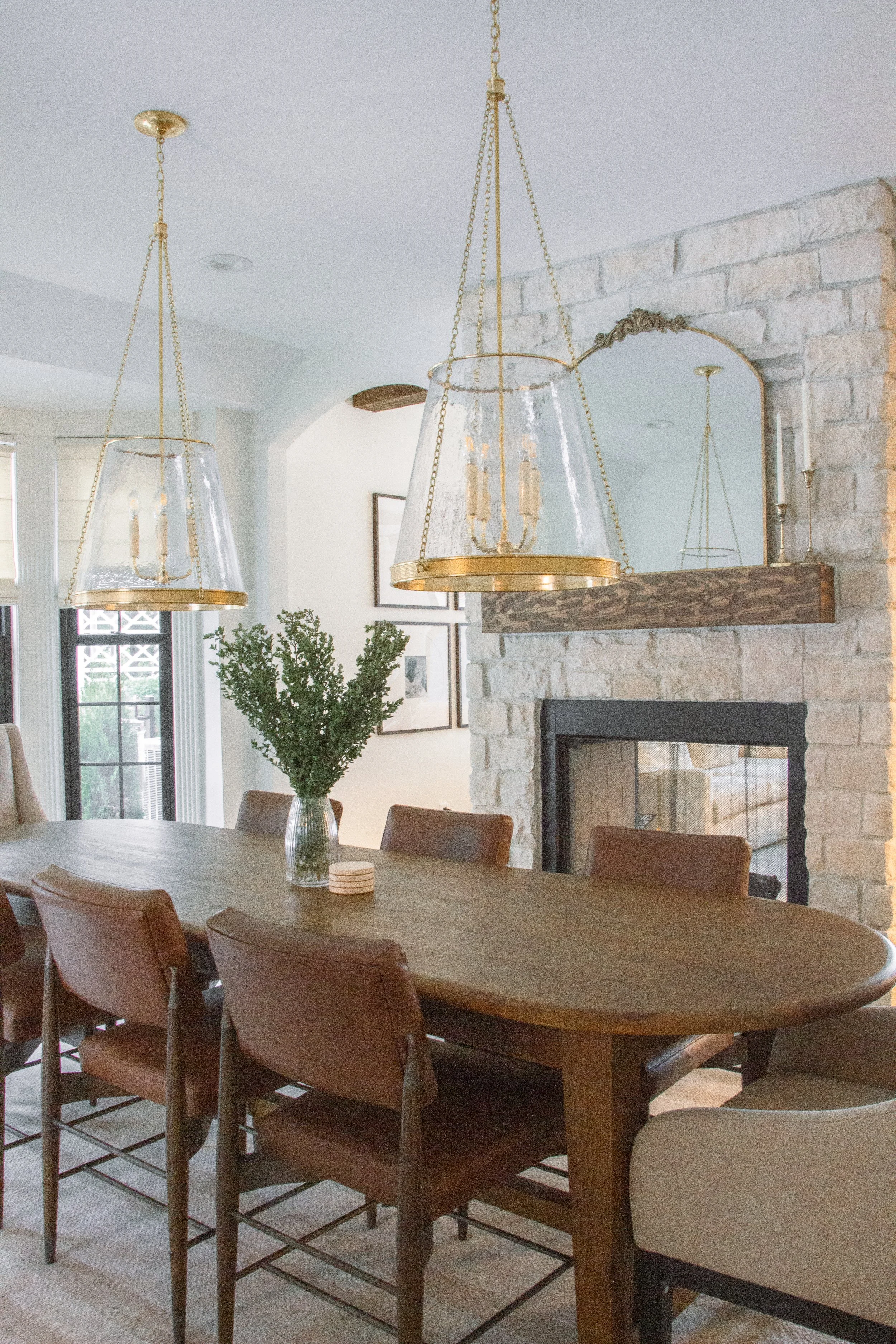
Designing for Longevity Rather Than Short-Term Trends
Studio Nine Interiors prioritizes proportion, functionality, and enduring materials that support daily life for years to come.
Rather than chasing trends, the focus remains on creating spaces that continue to perform beautifully as needs evolve over time.
This measured approach often produces homes that feel effortless because every detail has been intentionally considered from the beginning.
Timeless design decisions also help homeowners avoid the need for unnecessary updates in the future.
Creating Cohesion from Room to Room
One of the greatest advantages of a full-scale renovation is the opportunity to create continuity throughout the entire home. Material selections, lighting plans, storage solutions, and architectural details can all work together rather than competing with one another.
Transitions become just as important as the individual rooms themselves. Flooring, ceiling details, wall treatments, and millwork help establish visual consistency that makes the home feel intentional.
Instead of feeling like separate projects completed over many years, the finished home functions as a unified environment that supports daily life more naturally.
This level of coordination often creates a calmer atmosphere because every space feels connected to the next without becoming repetitive.
Beginning a Full-Scale Renovation with a Clear Design Vision
Large renovations can feel overwhelming without a cohesive framework to guide decision-making. Beginning with a comprehensive plan allows layouts, materials, lighting, and furnishings to support one another from the earliest stages of the project.
Whether updating an older Louisville home or reimagining a more recent build, approaching renovations through a design-first lens creates a stronger foundation for long-term enjoyment.
Thoughtful planning also helps homeowners navigate construction with greater confidence because every decision is tied back to a larger vision for the home.
If you are considering a full-scale renovation, exploring Studio Nine Interiors' portfolio, learning more about the studio, and reviewing available interior design services can provide valuable insight into the design-led approach that guides every project.
A Home Rebuilt with Clarity
The most successful full-scale renovations feel cohesive rather than dramatic. Changes are felt in comfort, usability, and atmosphere rather than through overt statements. The home functions better, moves more easily, and supports daily life without drawing attention to the work behind it.
Rather than chasing trends, full-scale renovations benefit from focusing on fundamentals such as proportion, flow, light, material quality, and thoughtful planning. These elements remain relevant regardless of changing styles.
Studio Nine Interiors approaches full-scale renovations with a measured, design-led perspective. To explore how the studio reshapes homes at this scale, visit the portfolio, learn more about the studio, review interior design services, or connect through the contact page.

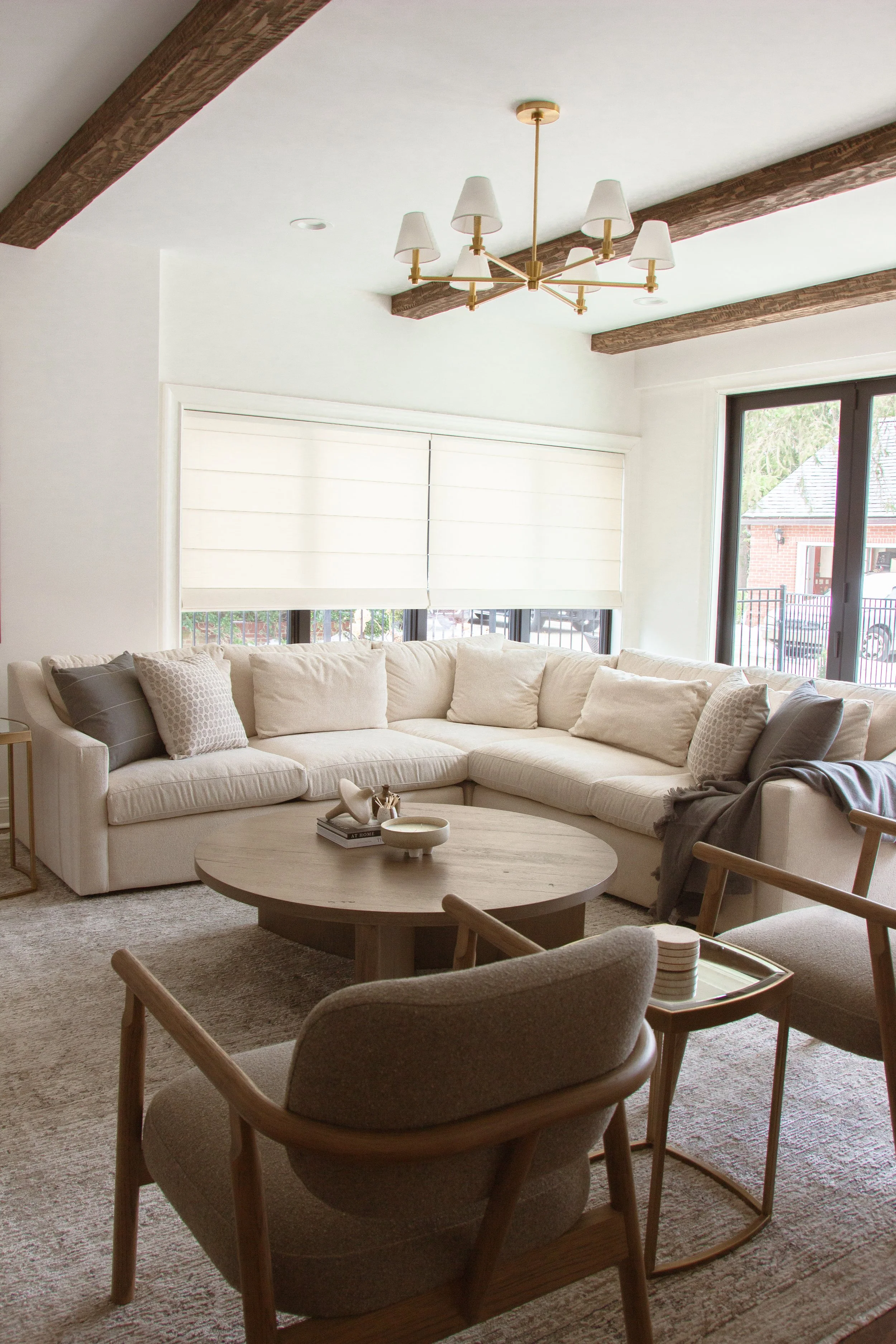
A comfortable living room designed with generous seating, soft textures, and a neutral palette to create an inviting space that supports everyday relaxation, conversation, and gathering within a whole-home renovation. Comfortable seating, layered textures, and thoughtful furniture placement create a living room designed to support connection and everyday living.
Frequently Asked Questions About Full-Scale Renovations
What qualifies as a full-scale renovation?
A full-scale renovation typically involves multiple rooms and may include structural modifications, kitchen and bathroom renovations, updated mechanical systems, lighting plans, flooring, millwork, and layout reconfiguration throughout the home.
How is a full-scale renovation different from remodeling one room at a time?
Whole-home renovations allow decisions to be coordinated together, creating better flow, consistent materials, and improved functionality that can be difficult to achieve through isolated projects.
Can a renovation preserve the original character of a home?
Yes. Thoughtful renovations often preserve architectural details such as fireplaces, millwork, built-ins, ceiling treatments, and proportions while improving functionality for modern living.
Should interior design begin before construction starts?
Yes. Early design involvement allows furniture layouts, lighting plans, storage solutions, and material selections to inform architectural decisions before construction begins.
Do homeowners need to move out during a full-scale renovation?
It depends on the scope of work. Larger projects involving kitchens, bathrooms, and major structural changes may require temporary relocation.
How long do full-scale renovations typically take?
Timelines vary depending on the size of the home, structural changes, permitting requirements, and overall project complexity.
How do you maintain an open floor plan without losing definition?
Zones can be established through millwork, lighting, ceiling treatments, flooring transitions, and furniture placement without sacrificing openness.
What areas benefit most from a whole-home renovation?
Kitchens, living rooms, primary suites, bathrooms, entryways, and storage areas often provide the greatest functional improvements because they influence everyday routines.
Why is lighting important in a full renovation?
Lighting impacts comfort, atmosphere, functionality, and how materials are experienced throughout the day. Layered lighting creates depth while supporting different activities.
Why are full-scale renovations considered long-term investments?
Improved layouts, quality materials, efficient storage, and timeless design decisions create homes that remain functional, comfortable, and relevant for years to come.
How do you decide what to keep versus what to replace during a renovation?
Thoughtful renovations evaluate architectural details, functionality, and long-term usability before deciding what should be preserved or updated.
Can a full-scale renovation improve resale value?
While every market is different, improved layouts, updated systems, quality materials, and cohesive design often make homes more appealing to future buyers.
What is the biggest mistake homeowners make during large renovations?
Treating rooms as separate projects instead of part of a larger system can lead to inconsistent finishes, inefficient layouts, and missed opportunities for better flow.